BLOG
Color Retention
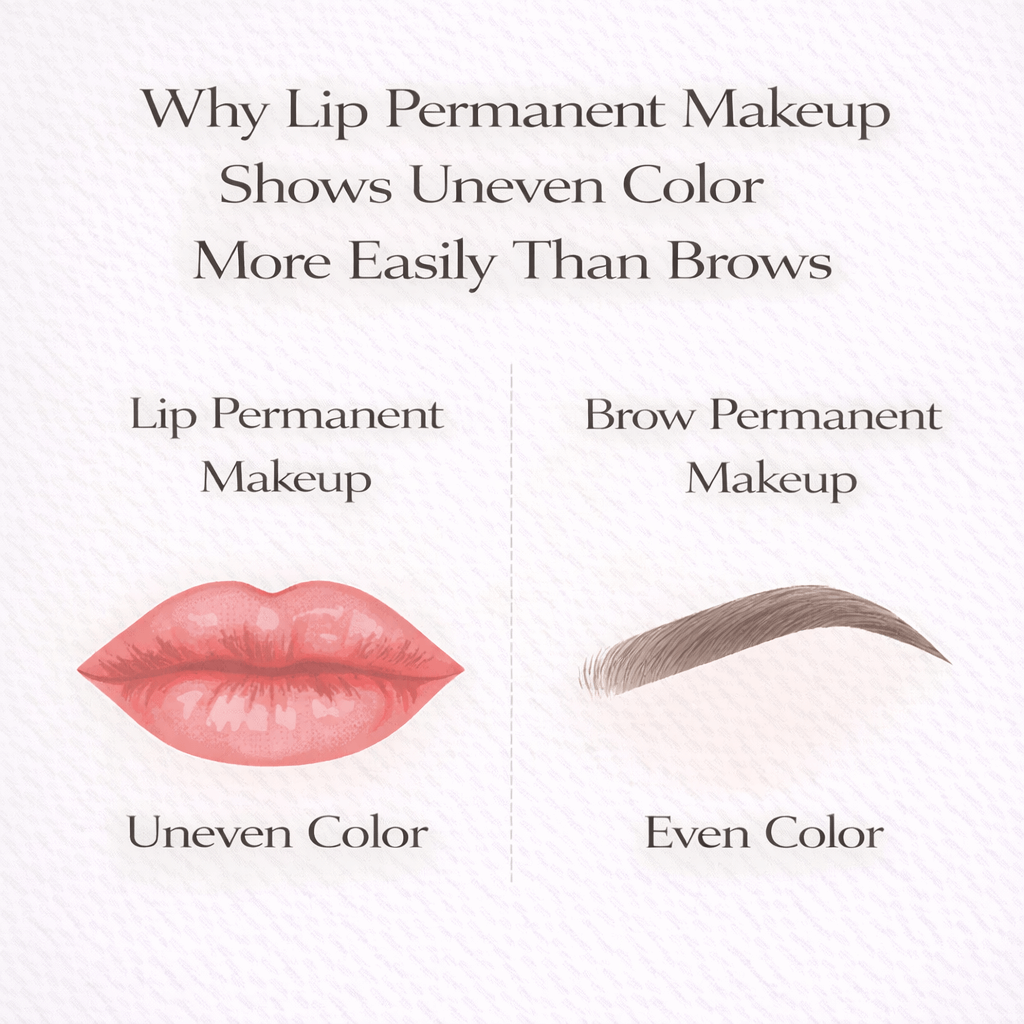
Why Lip Permanent Makeup Shows Uneven Color More Easily Than Brows
Uneven color in lip permanent makeup is more common than in brows due to thinner skin, constant movement, and more sensitive pigment behavior. Learn the three key reasons and how to manage client e...
Color Retention
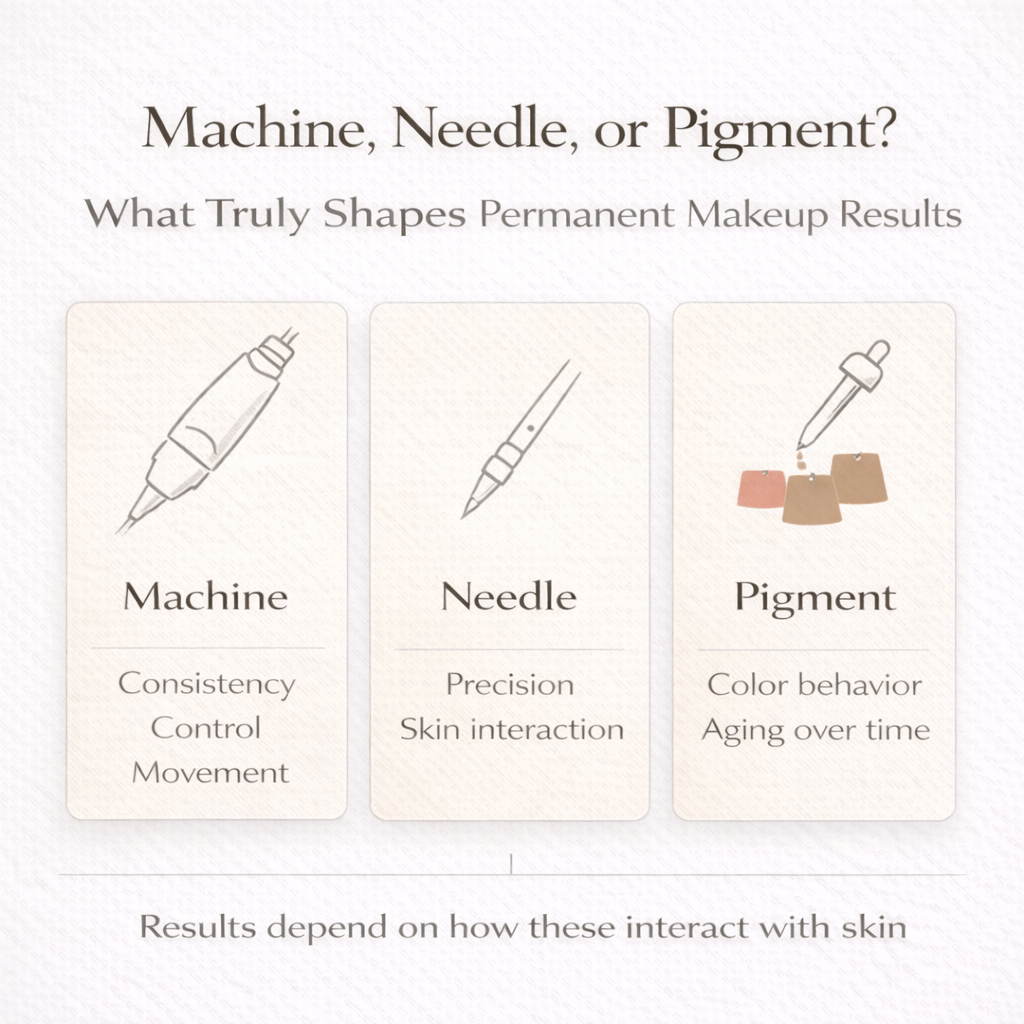
Machine, Needle, or Pigment: What Truly Shapes Permanent Makeup Results?
Permanent makeup results are shaped by how machines, needles, and pigments work together with skin biology — not by any single tool. Learn why technique and judgment matter most.
Color Retention
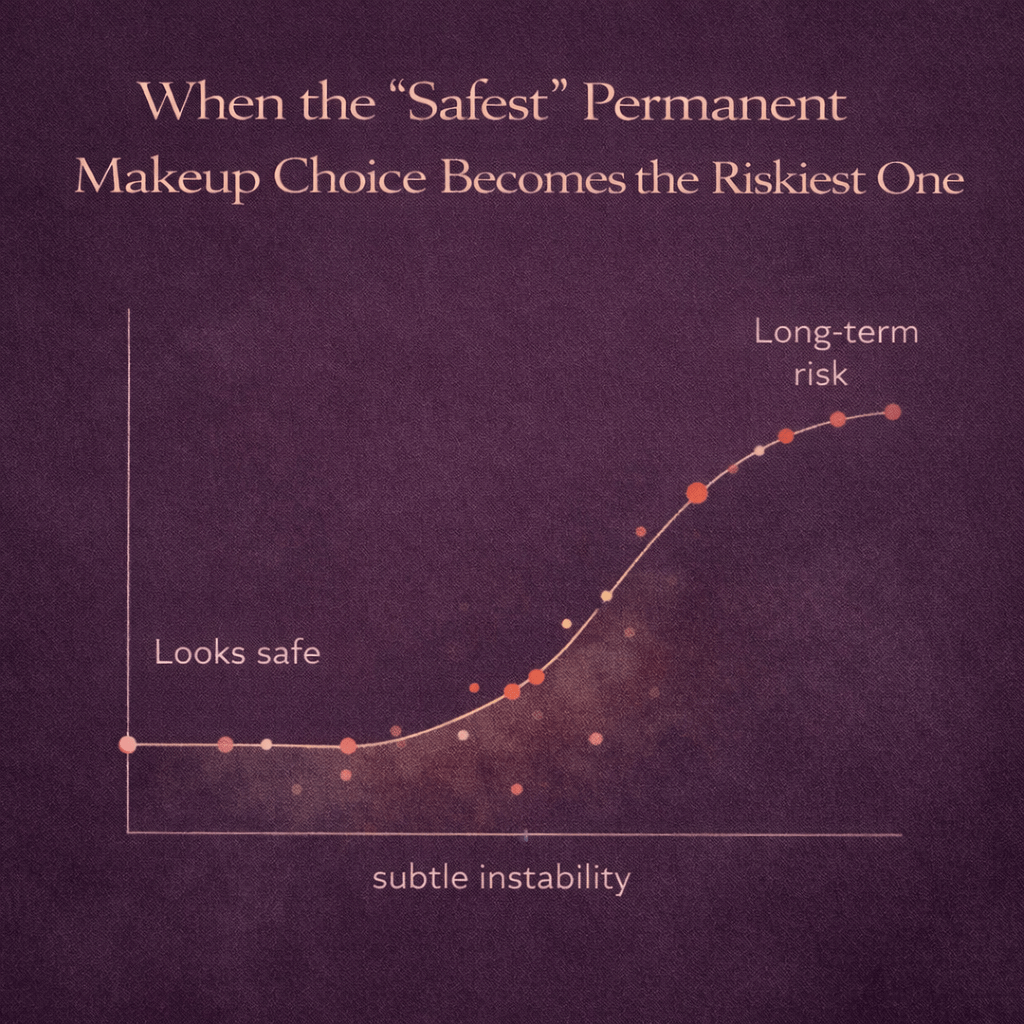
When the “Safest” Permanent Makeup Choice Becomes the Riskiest One
What looks safe in permanent makeup isn’t always low risk. Learn why strong-hold pigments, high intensity, and overconfidence in permanence can create the highest long-term correction challenges.
Color Retention
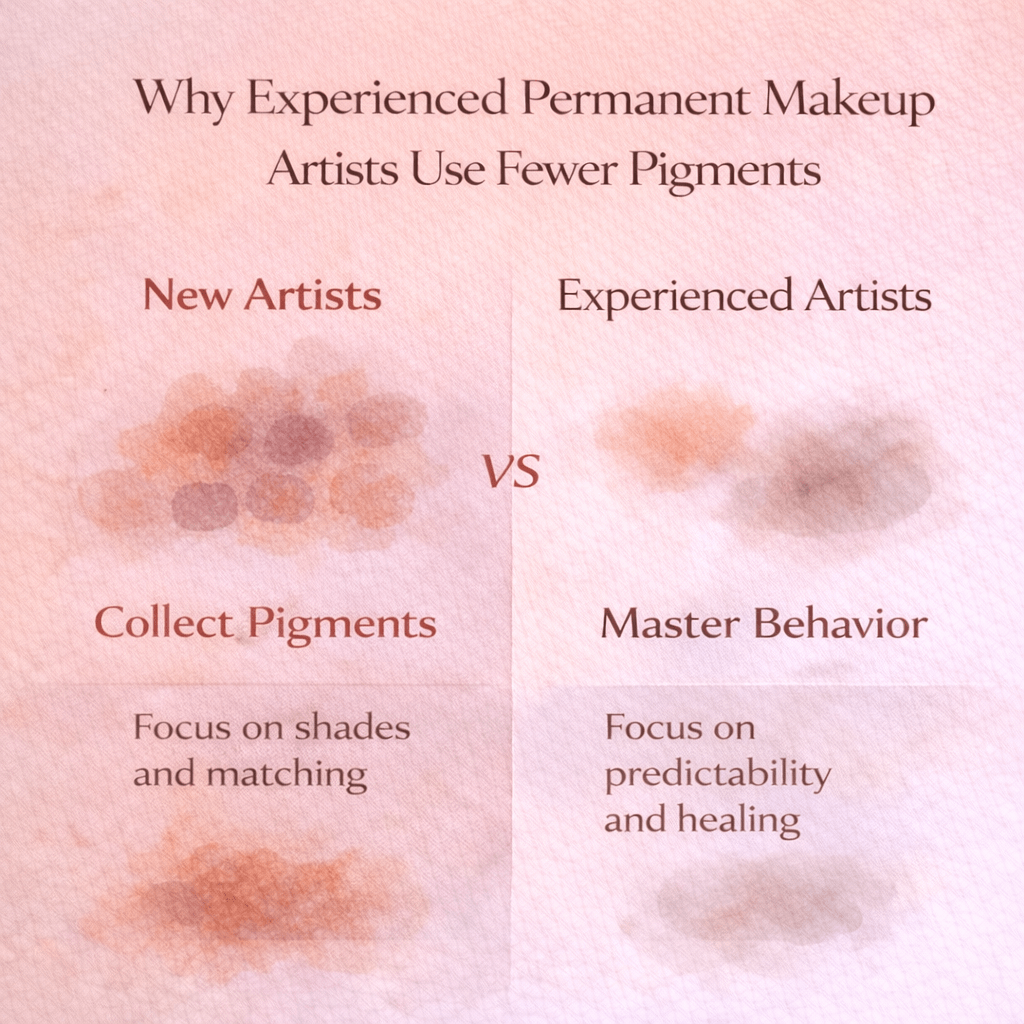
Why Experienced Permanent Makeup Artists Rely on Fewer Pigments
Experienced PMU artists achieve better results with fewer pigments — not more. Learn how pigment predictability, skin response, and color control matter more than large pigment collections.
Color Retention
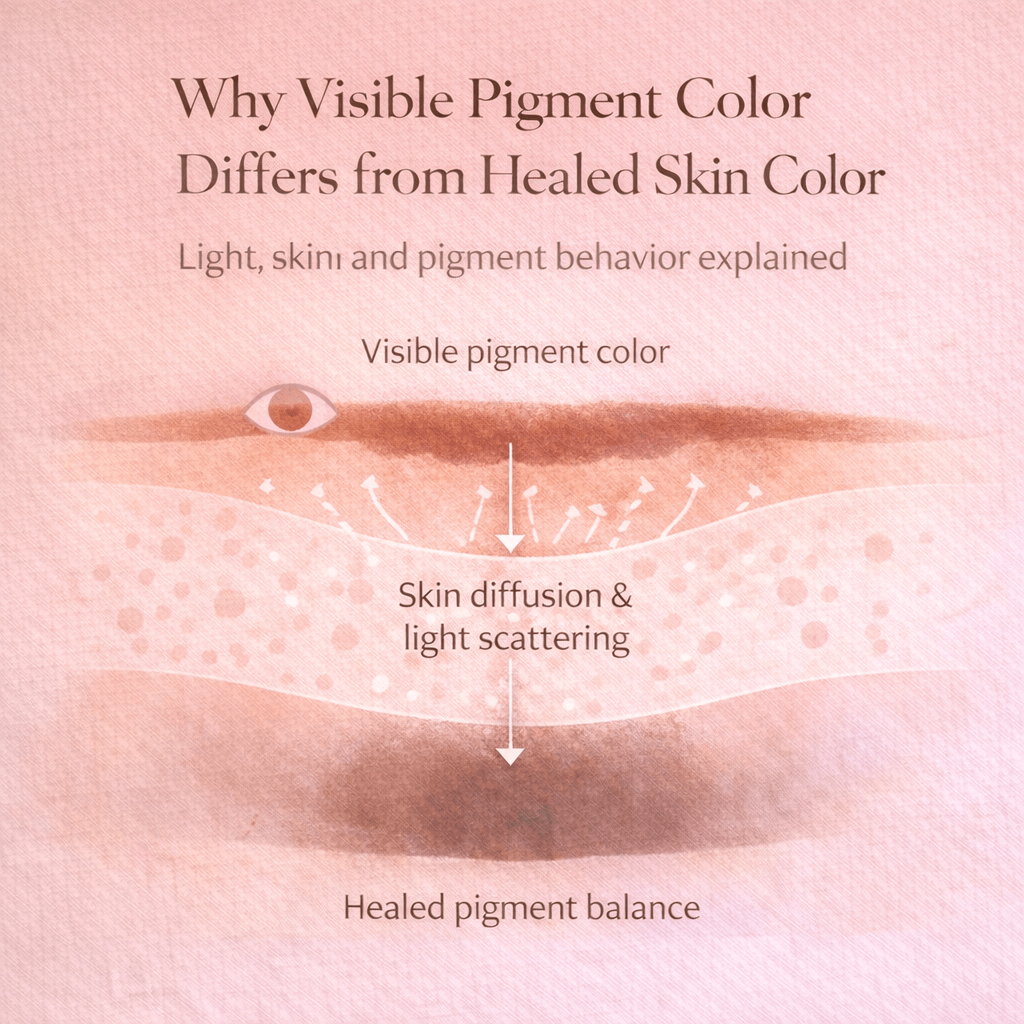
Why Permanent Makeup Pigment Looks Different After Healing - Understanding Skin Optics, Healing Response, and Pigment Behavior
Fresh PMU pigment often looks darker, warmer, and more saturated than healed results. Learn why skin inflammation, optical depth, and pigment structure — not pigment failure — cause this difference.
Brow PMU
Why Ombre Brows Rely on Pigment Quality More Than Technique Alone
Ombre brows are not forgiving — pigment quality determines whether gradients heal smooth and airy or patchy and uneven. Learn why pigment behavior matters more than technique alone in ombre brow work.
Beginner PMU
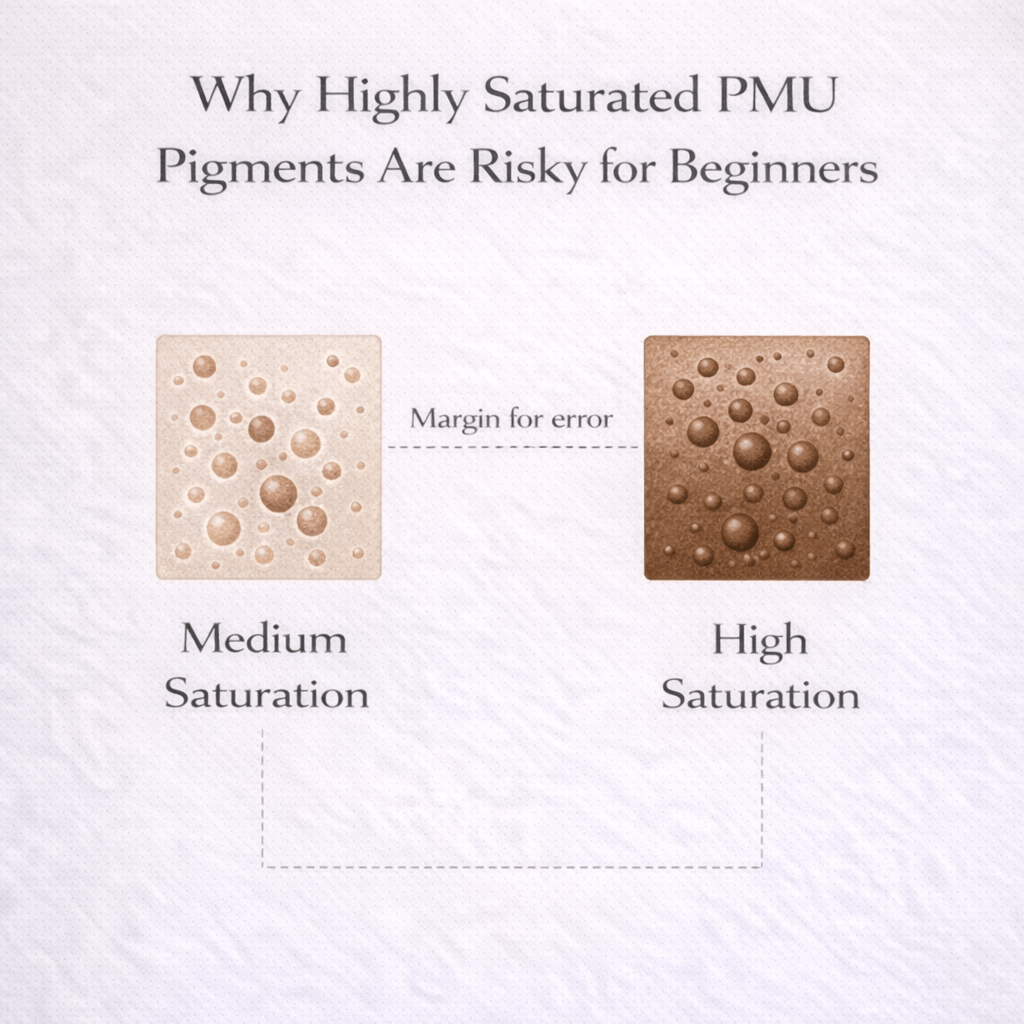
Why Highly Saturated Permanent Makeup Pigments Are Risky for Beginners
Highly saturated PMU pigments are advanced tools — not beginner-friendly ones. Learn why high color load increases overworking risk, amplifies depth errors, and causes uneven healing for new artists.
Color Retention
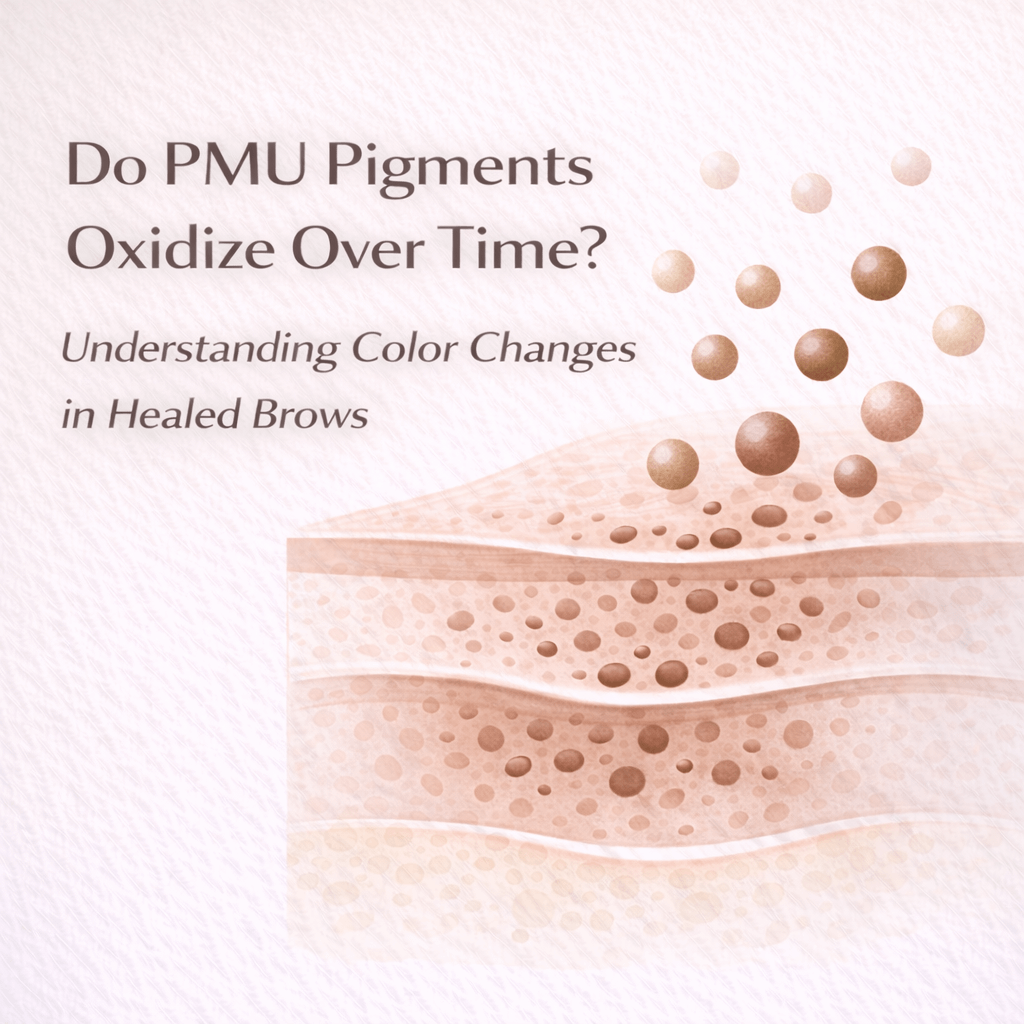
Do Permanent Makeup Pigments Oxidize Over Time? - What Really Causes Color Changes in Healed Brows
PMU pigments rarely oxidize inside the skin. Most color changes in healed brows are caused by implantation depth, skin type, and selective fading of warm particles — not chemical oxidation.
Color Retention
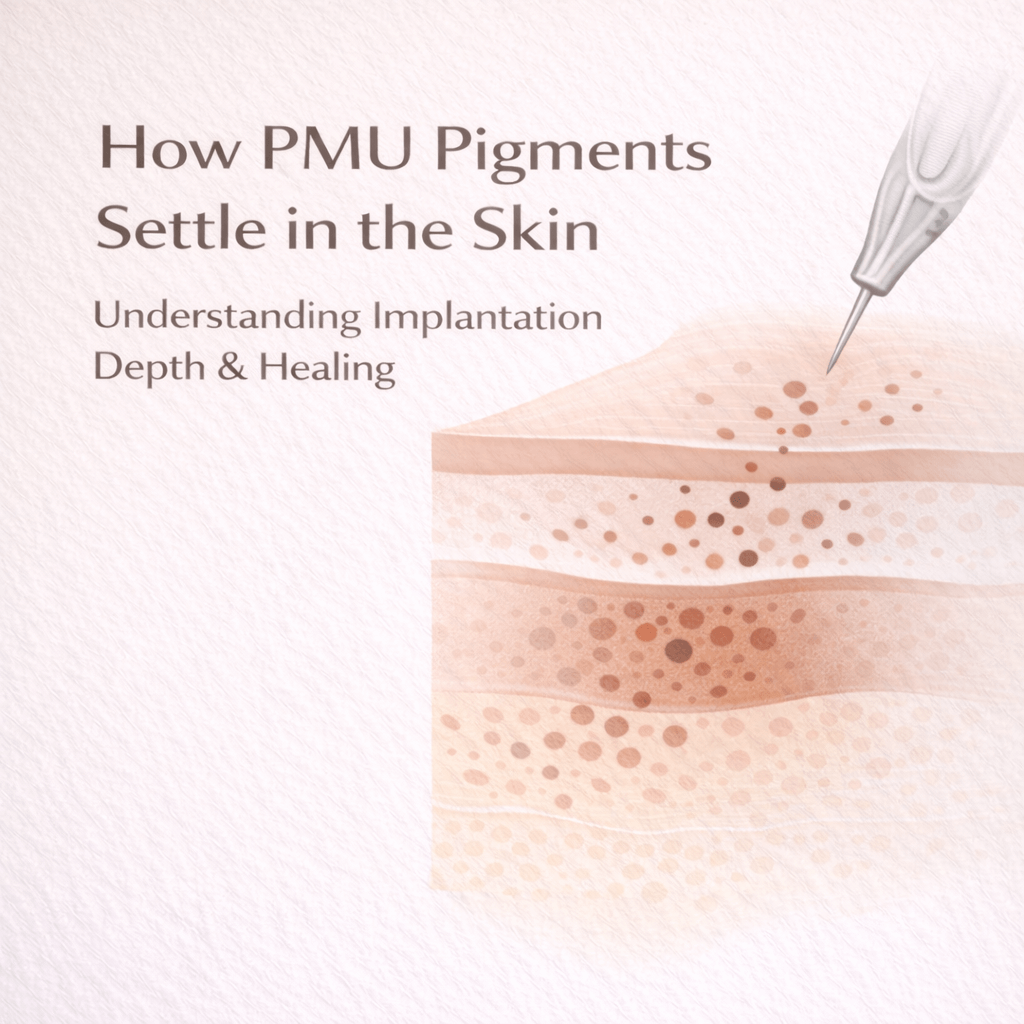
How Permanent Makeup Pigments Settle in the Skin - Understanding Implantation Depth, Healing, and Color Stability
PMU pigment settlement depends on implantation depth, skin type, healing response, and aftercare. Pigment placed too shallow fades quickly, too deep heals grey or blurry, and correct depth produces...