BLOG
Lip Blushing
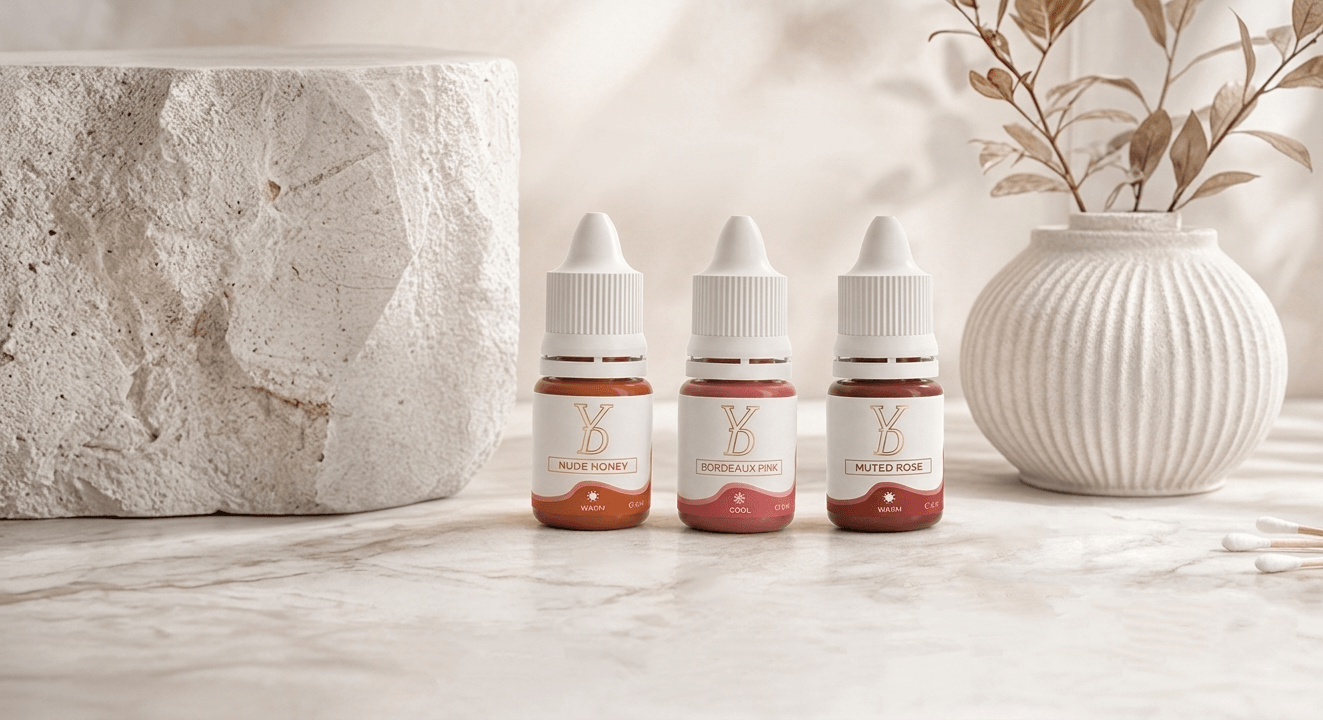
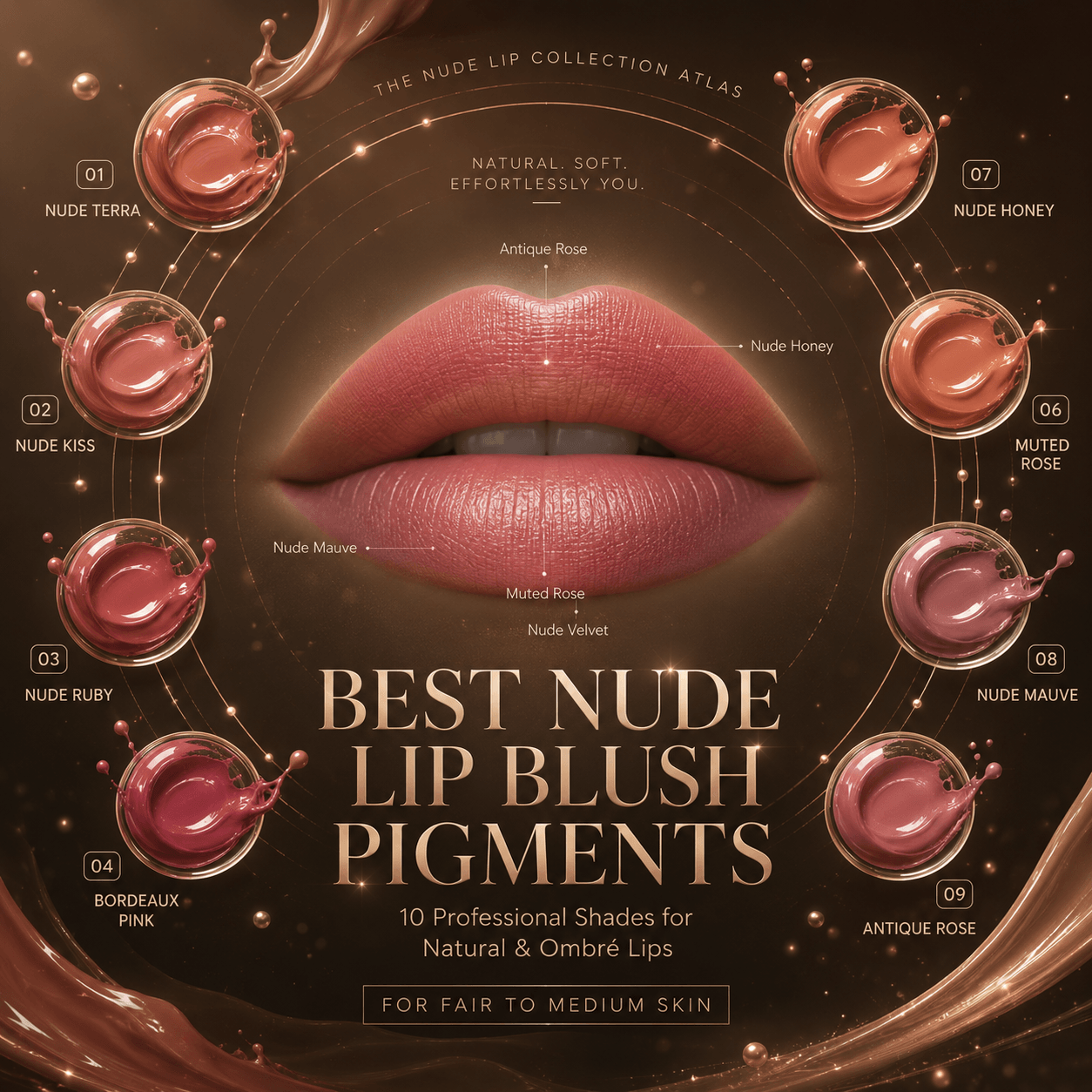
How to Choose Nude Lip Blush Pigments: Warm vs Cool Shade Guide
The YDPMU Nude Lip Collection is a professional nude lip blush pigment system specifically developed for fair to medium skin tones and modern ombré lip blush techniques popular across Europe and No...
Brow PMU
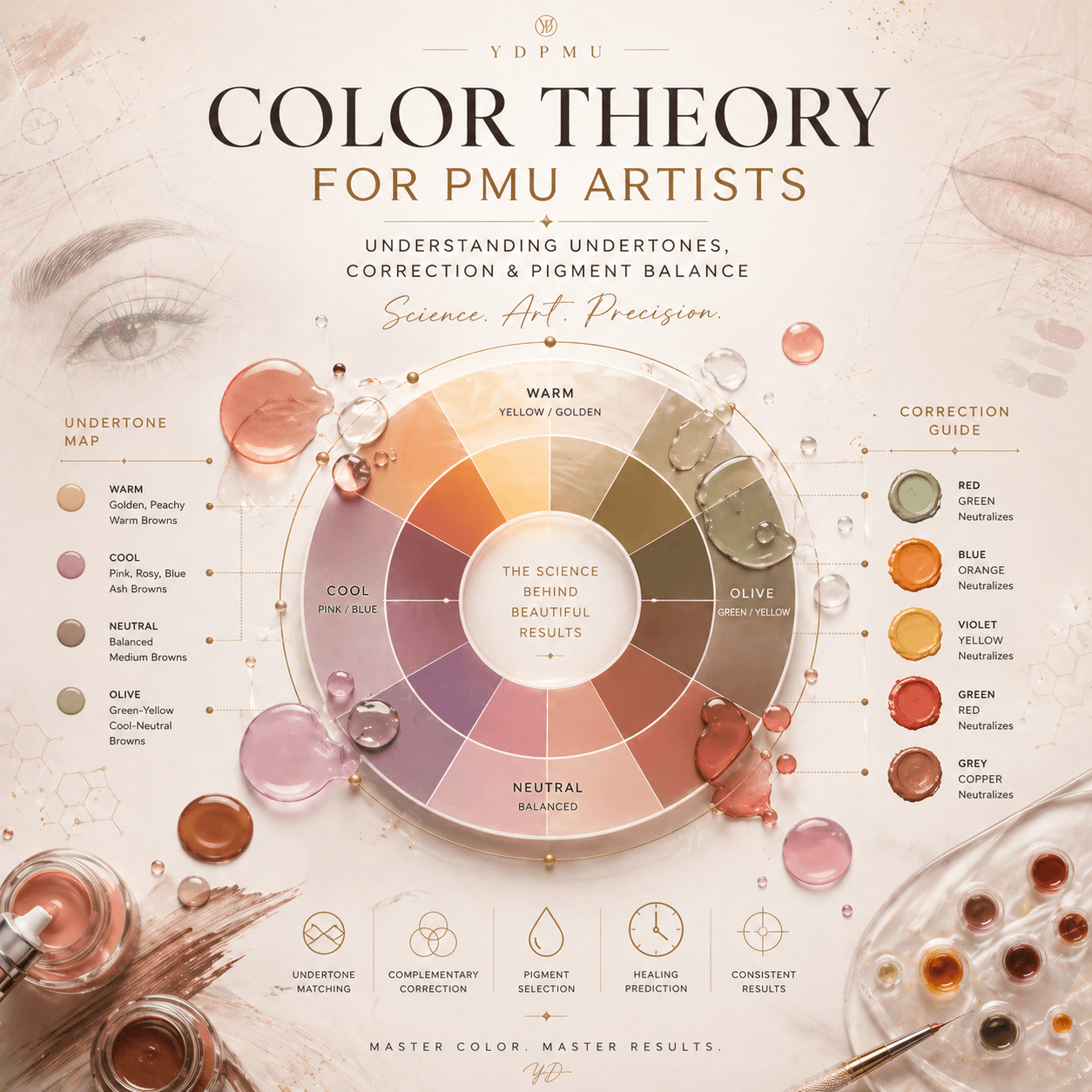
Color Theory for PMU Artists: Warm, Cool, Undertone & Correction Guide
PMU color theory is more than matching warm skin with warm pigment. Learn how professional artists assess color direction, undertone, skin-tone depth, complementary correction, pigment formulation ...
Brow PMU
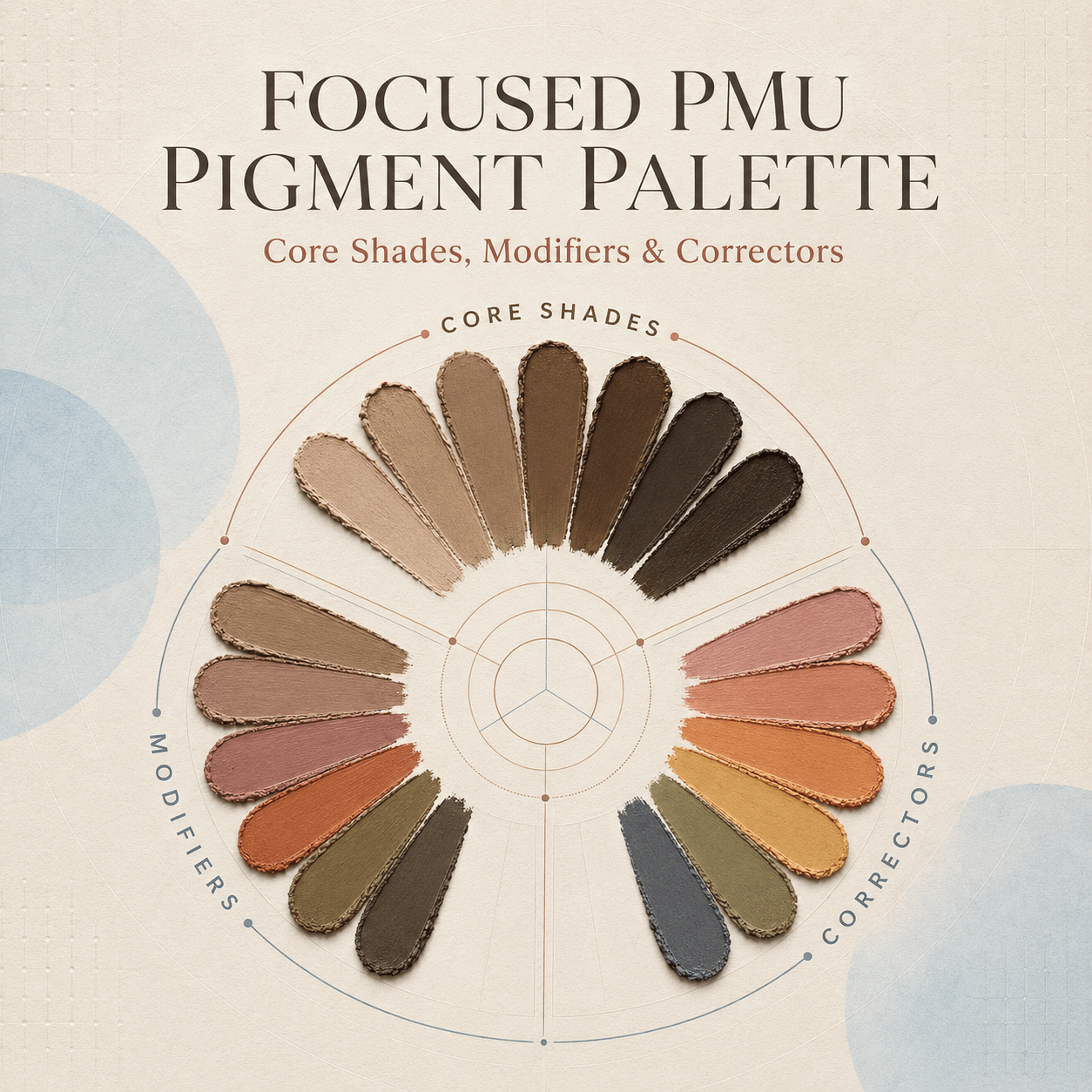
How Many PMU Pigments Do You Need? Build a Focused Artist Palette
A professional PMU pigment palette does not need to contain every available shade. Learn how to build a focused system using dependable core colors, compatible modifiers and procedure-specific corr...
Brow PMU
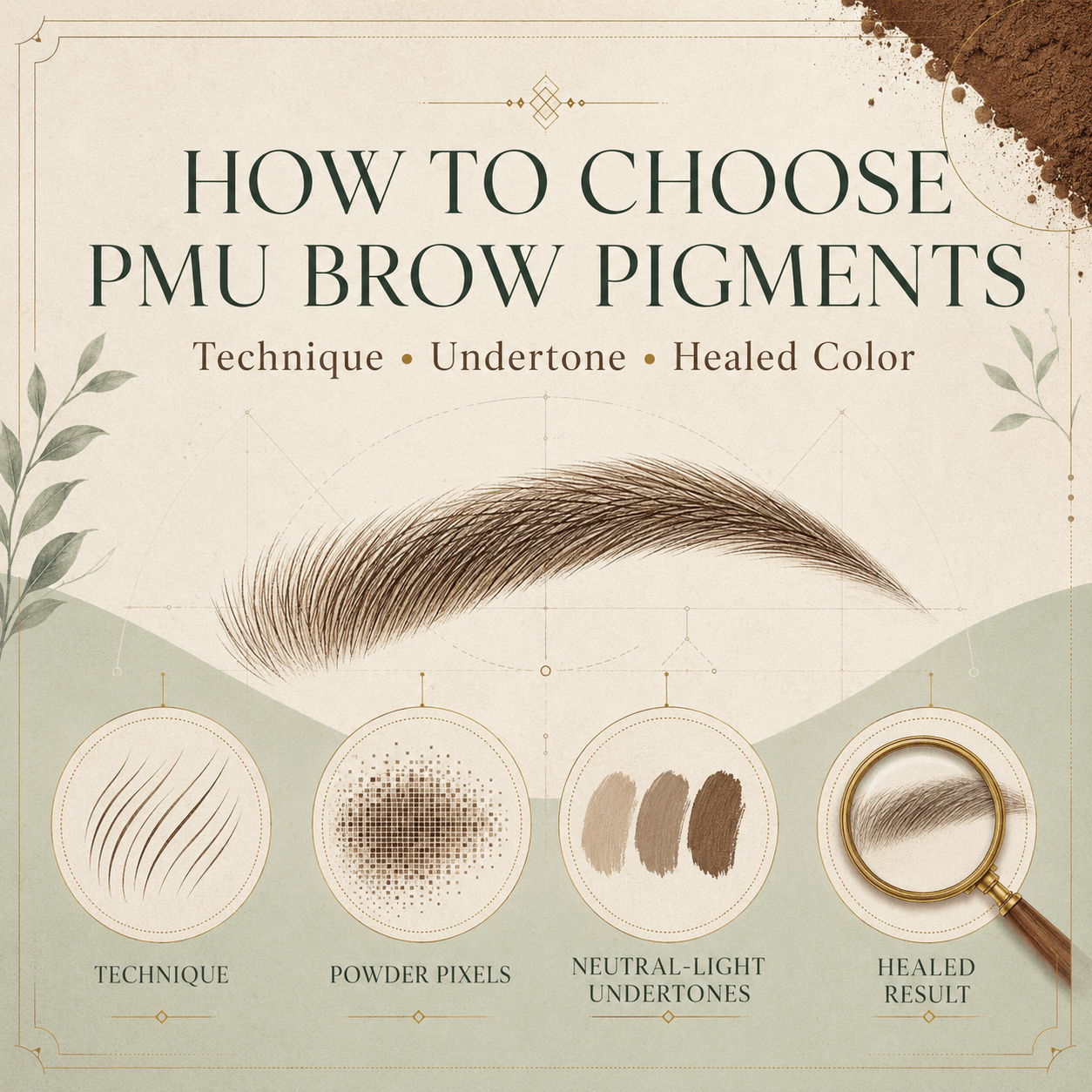
How to Choose PMU Brow Pigments: Technique, Undertone & Healed Color Guide
Choosing a PMU brow pigment requires more than matching a bottle shade to brow hair. This professional guide explains how artists evaluate technique, natural coloring, existing pigment, formula han...
Client Guide
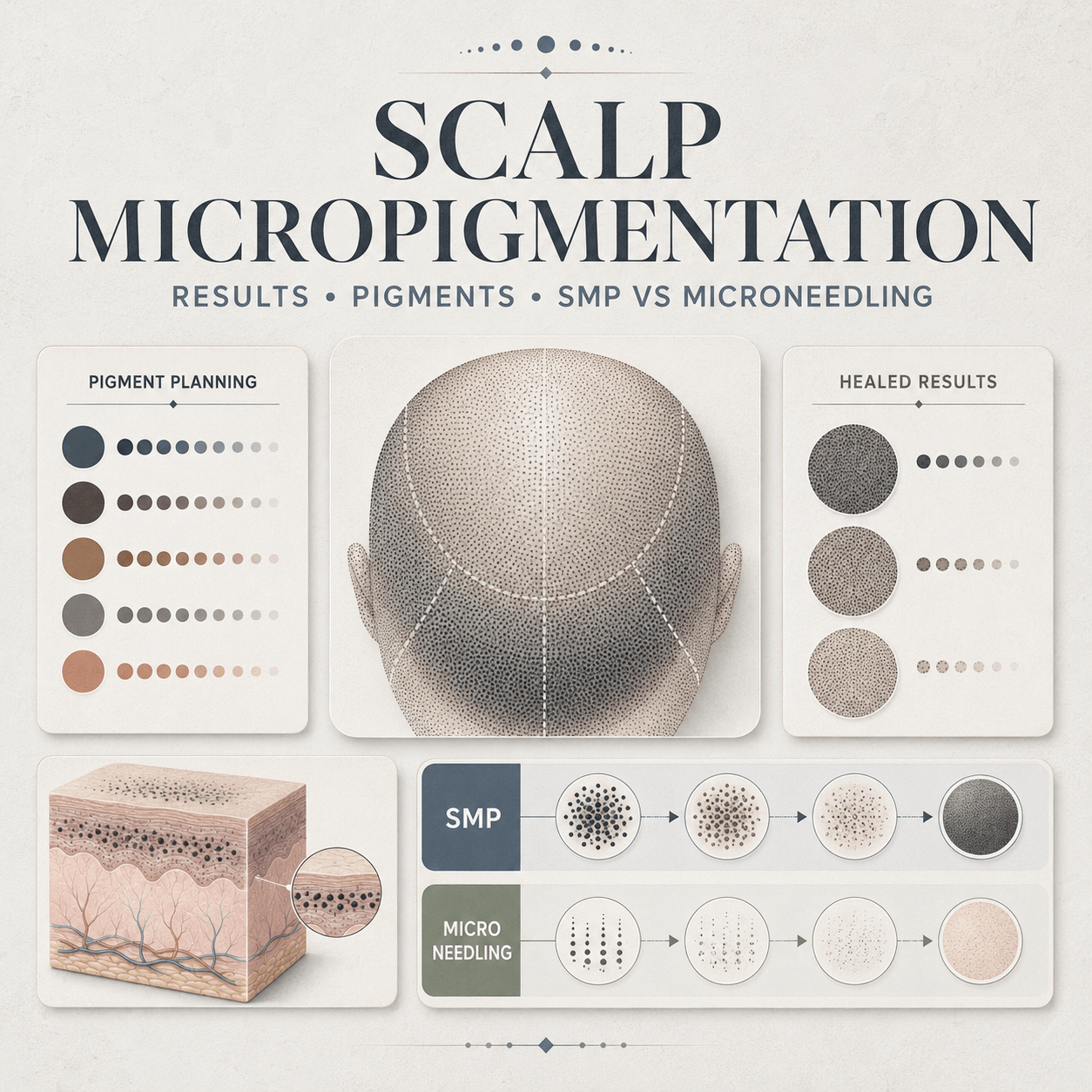
Scalp Micropigmentation: How It Works, Pigment Selection, Results & SMP vs Microneedling
Scalp micropigmentation creates the visual impression of follicles or greater density through controlled pigment placement. This guide explains what SMP can and cannot do, client assessment, pigmen...
Dark Lip Neutralization
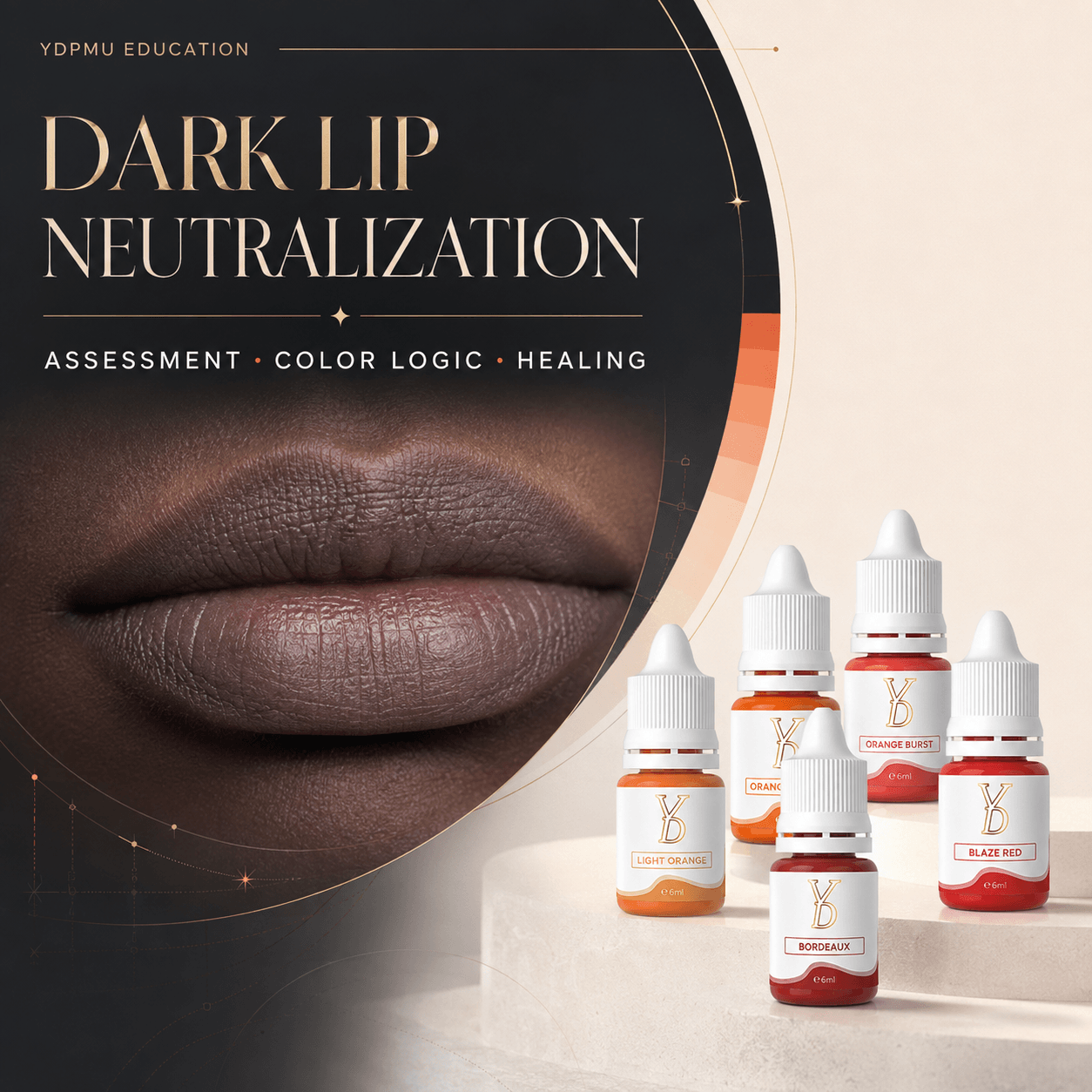
Dark Lip Neutralization & Lip Color Correction: Assessment, Color Logic, Healing
Dark lip neutralization and lip color correction require more than choosing a strong orange pigment. This professional guide explains visible-base assessment, corrective color logic, previous PMU, ...
Brow PMU
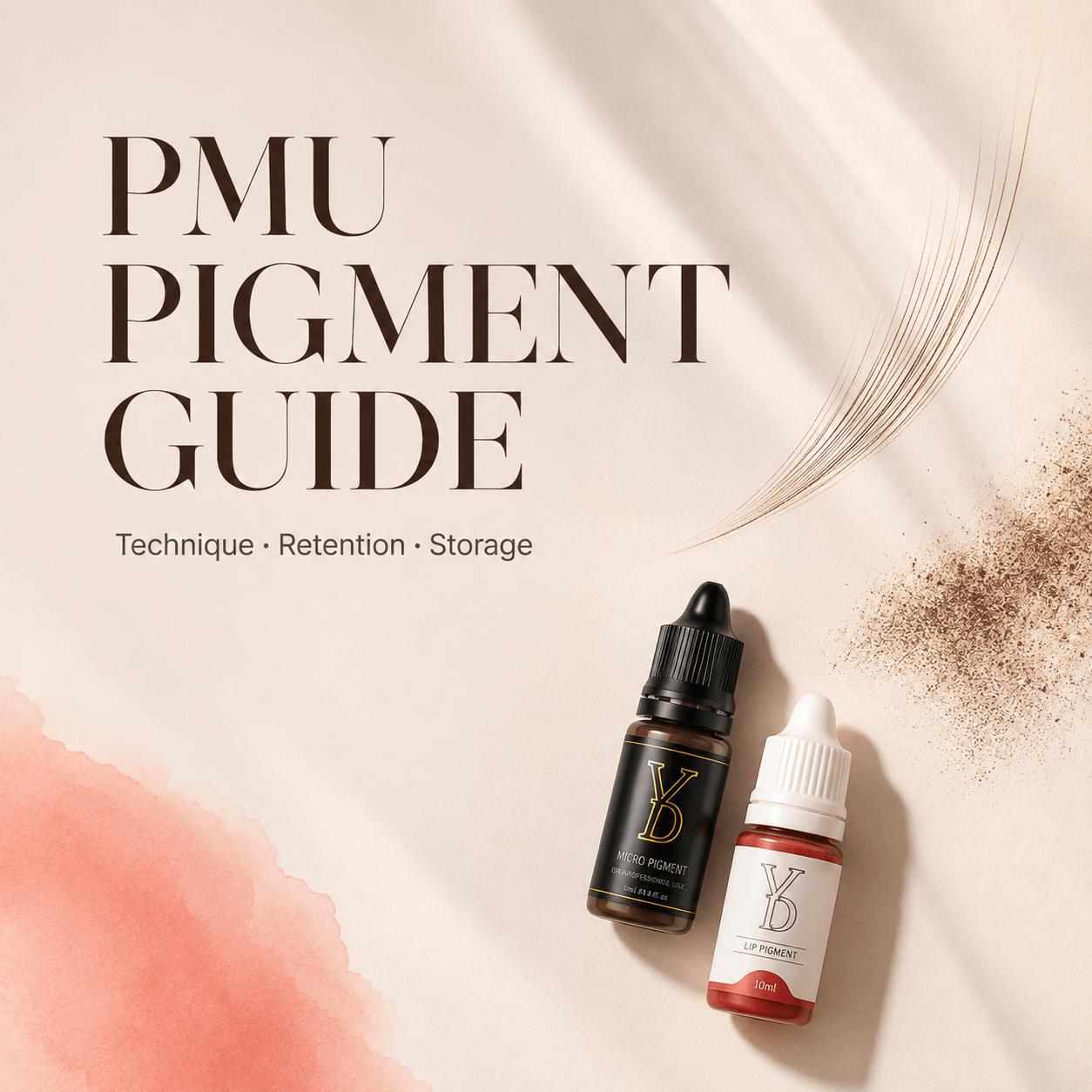
How to Match PMU Pigments to Techniques: Saturation, Retention & Storage Guide
Choosing a PMU pigment requires more than matching bottle color or selecting organic, inorganic or hybrid. This professional guide explains how treatment area, technique, pigment handling, saturati...
Brow PMU
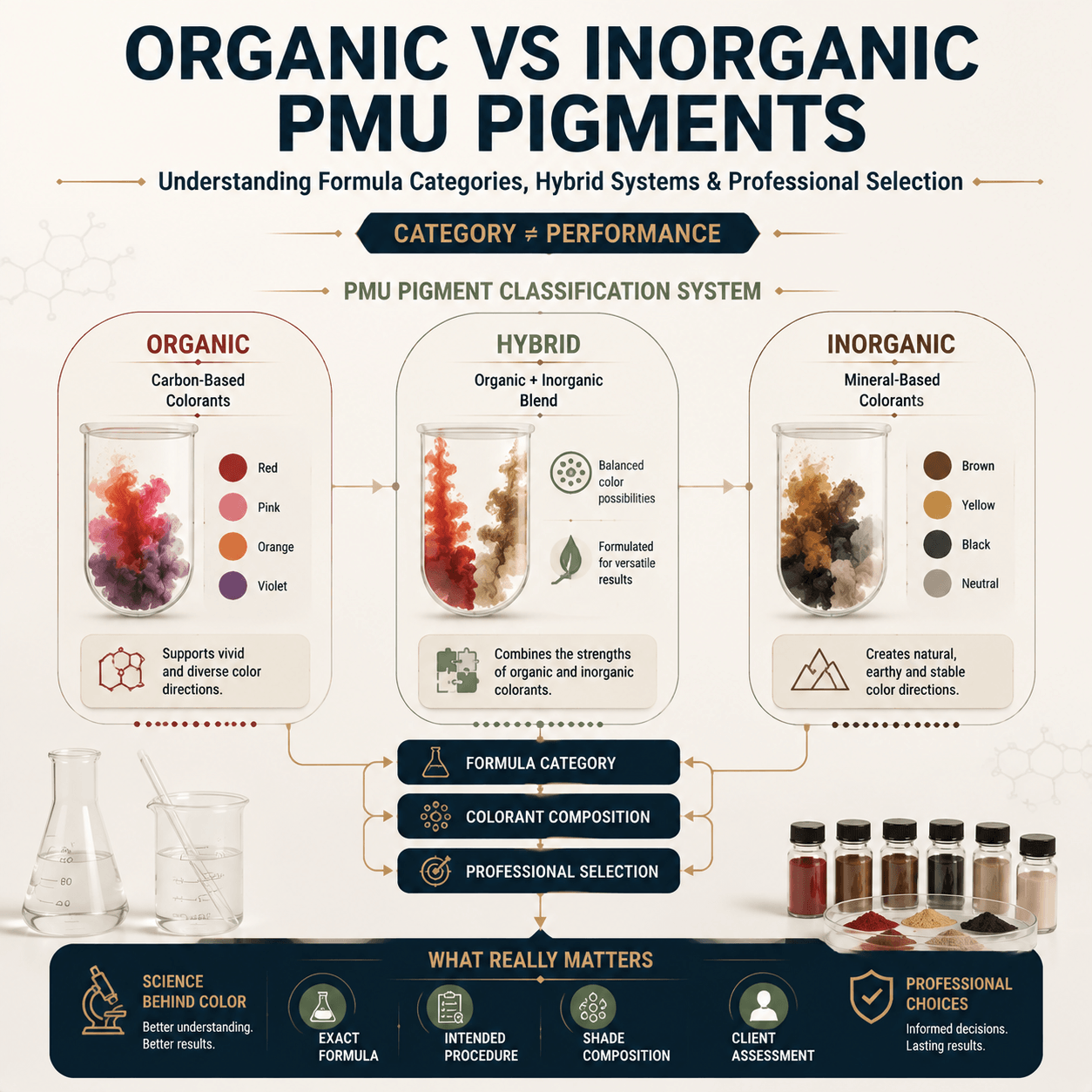
Organic vs. Inorganic Permanent Makeup Pigments: Choosing the Best Pigments for Long-Lasting Permanent Makeup
Organic pigments deliver vivid, bright color ideal for lips and eyeliner. Inorganic pigments provide soft, stable, natural results ideal for brows. Hybrid formulas balance both. Learn how to choose...
Allergic Reaction
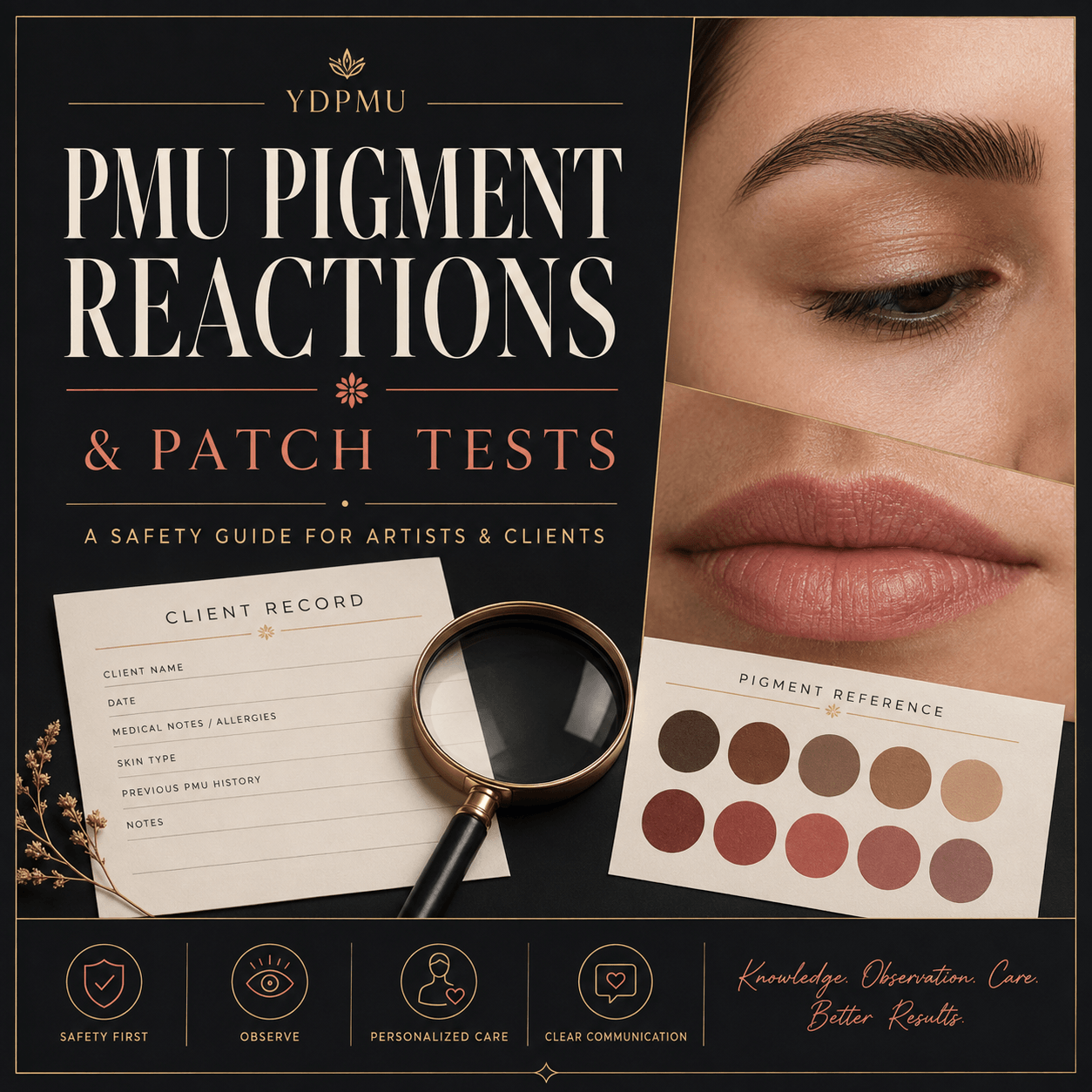
What Is a PMU Patch Test and Do You Really Need One?
A PMU patch test involves applying a small amount of pigment to the skin and monitoring for an allergic reaction over 24–48 hours before a full procedure. Patch tests are not universally required f...