BLOG
Color Theory
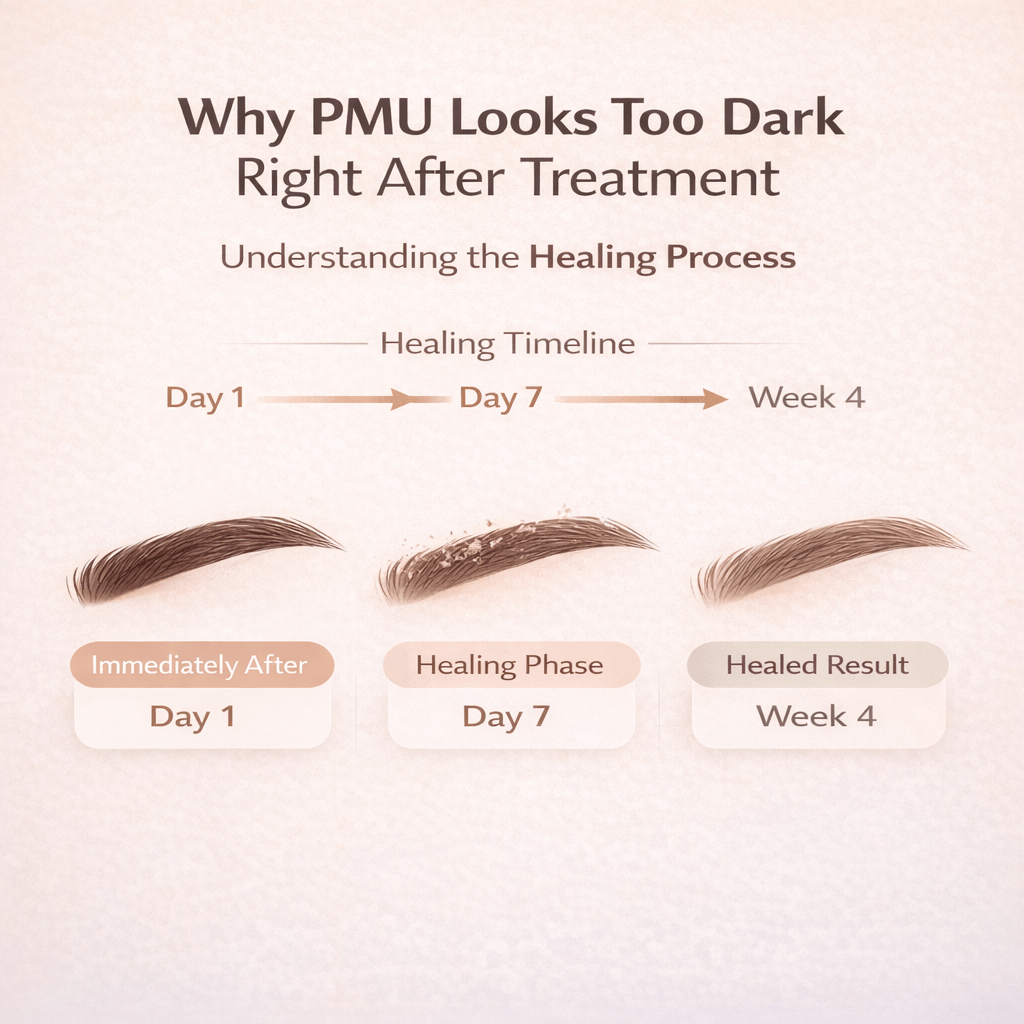
Why Does Permanent Makeup Look Too Dark Immediately After Treatment?
Permanent makeup looks darker immediately after treatment due to concentrated pigment, skin inflammation, and the healing layer. Learn why this is normal and when the final colour stabilises.
Color Theory
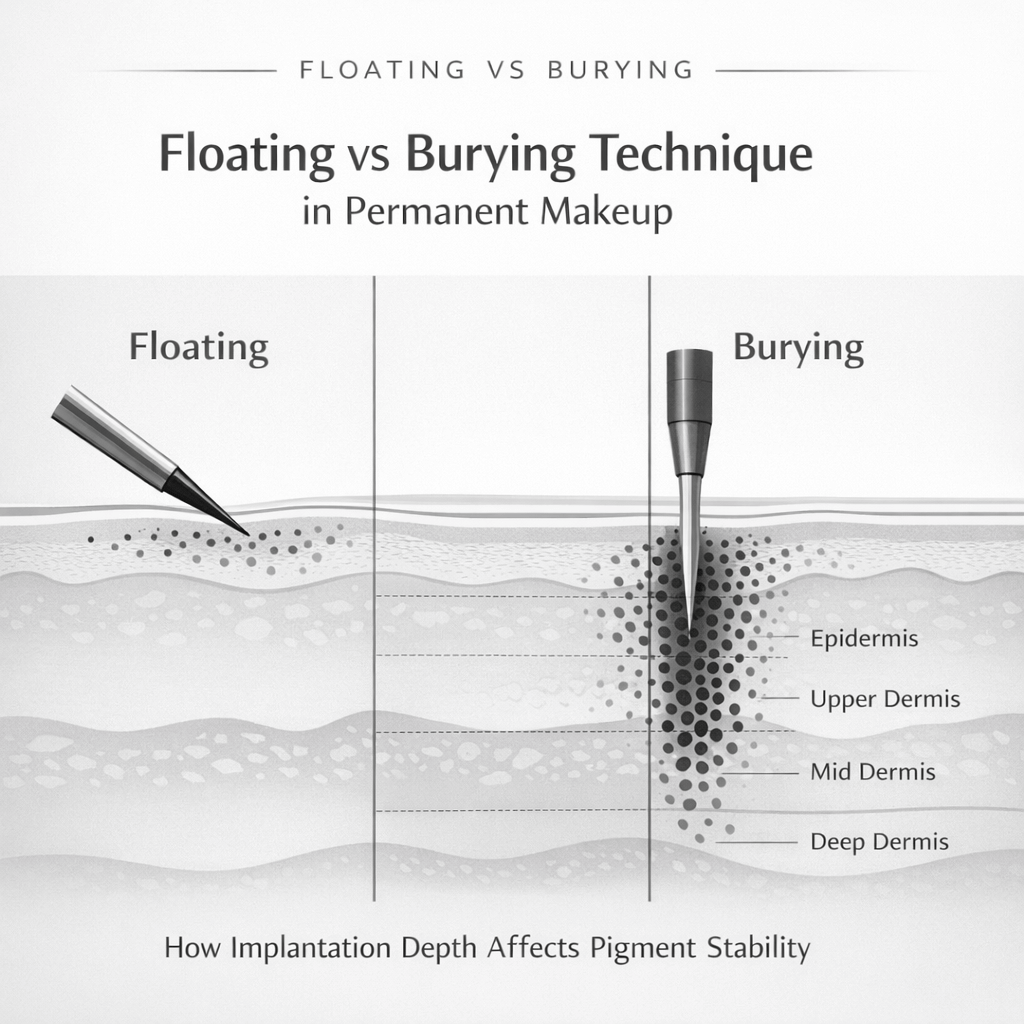
Floating vs Burying Technique in Permanent Makeup: How It Affects Pigment Stability
Floating and burying are two core implantation techniques in permanent makeup. Learn how each affects pigment depth, trauma level, and long-term retention — and when to use each for optimal results.
Guide
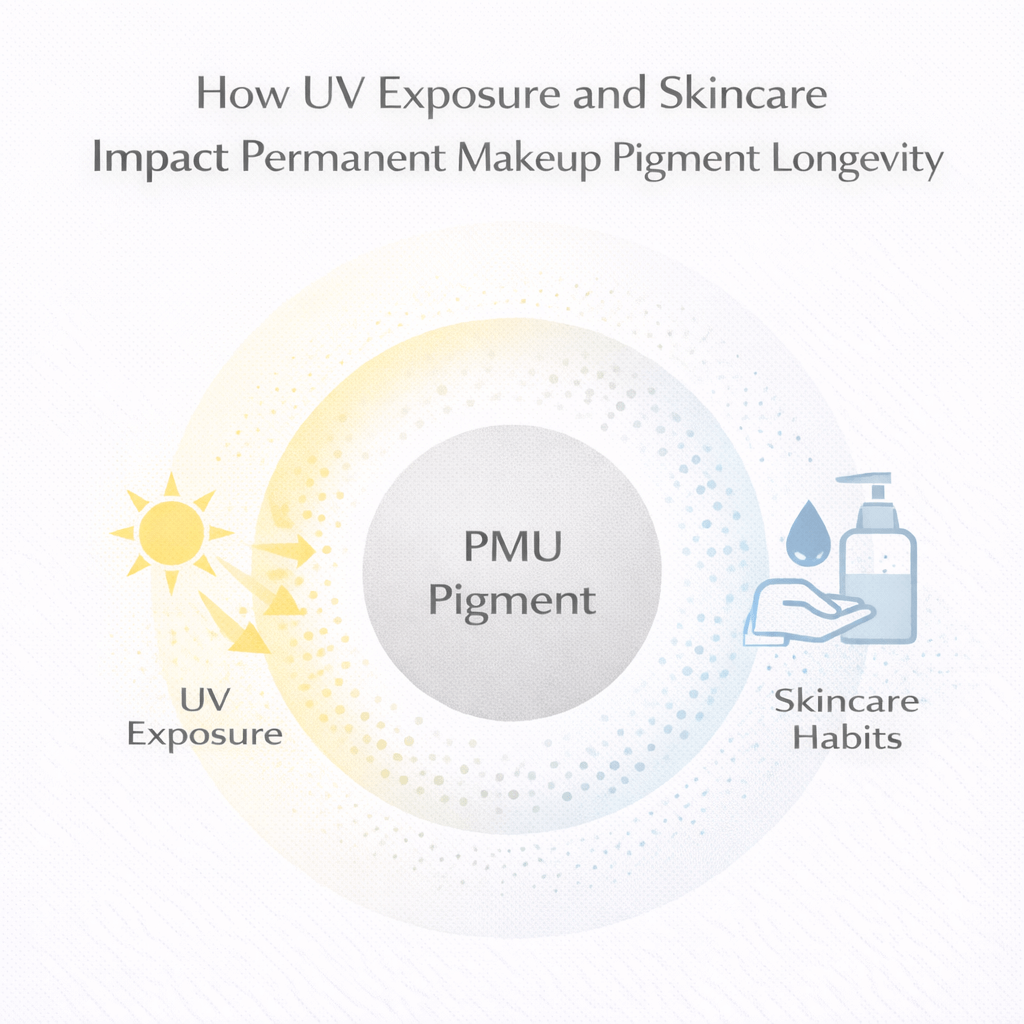
How UV Exposure and Skincare Impact Permanent Makeup Pigment Longevity
UV exposure and daily skincare habits are two of the biggest factors affecting permanent makeup pigment longevity. Learn which ingredients to avoid, how to protect treated areas, and how to make yo...
Color Theory
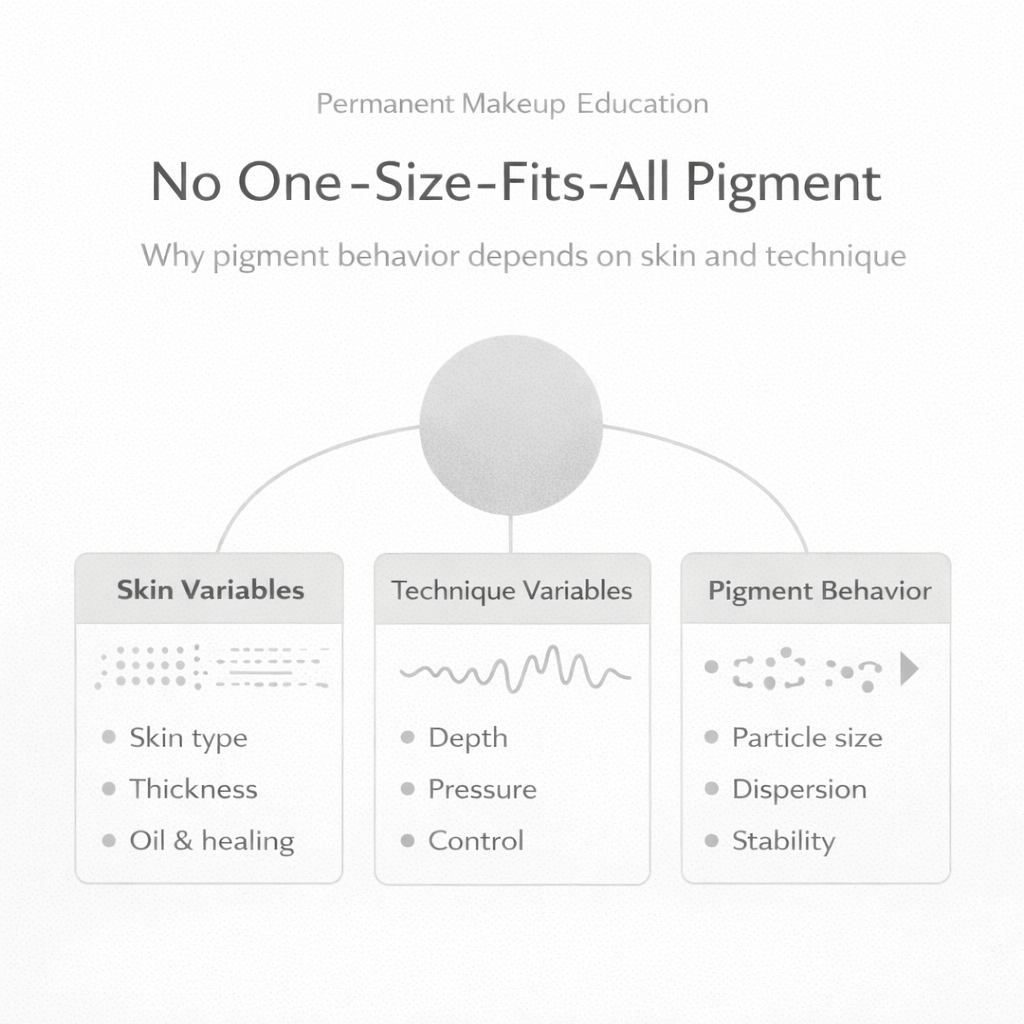
Why There Is No One-Size-Fits-All Pigment in Permanent Makeup
There is no universal pigment in permanent makeup because skin biology, implantation technique, and pigment behaviour all interact differently for every client. Learn why professional pigment selec...
Color Theory
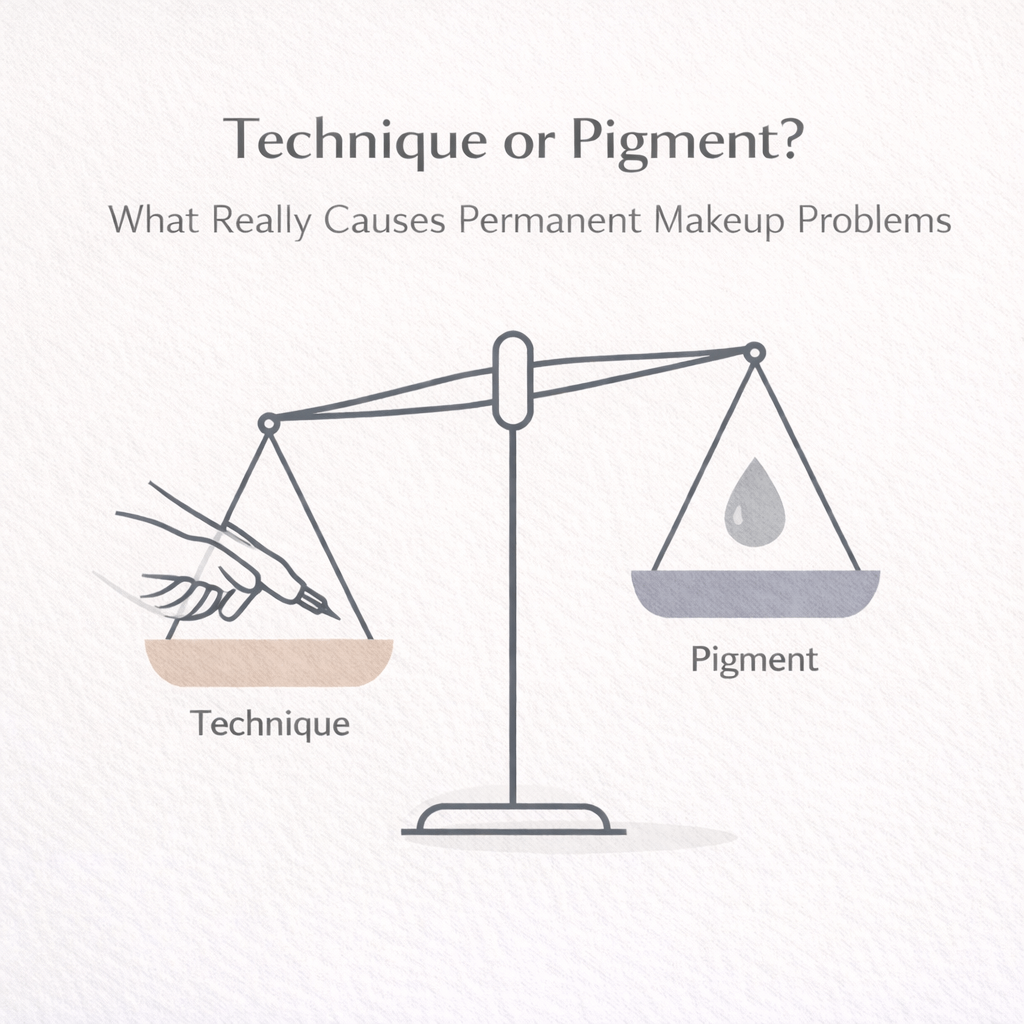
Technique or Pigment: What Truly Causes Permanent Makeup Problems?
Most permanent makeup problems are not caused by technique or pigment alone — they result from a mismatch between the two. Learn how technique, pigment, and skin biology interact to determine PMU o...
Color Retention
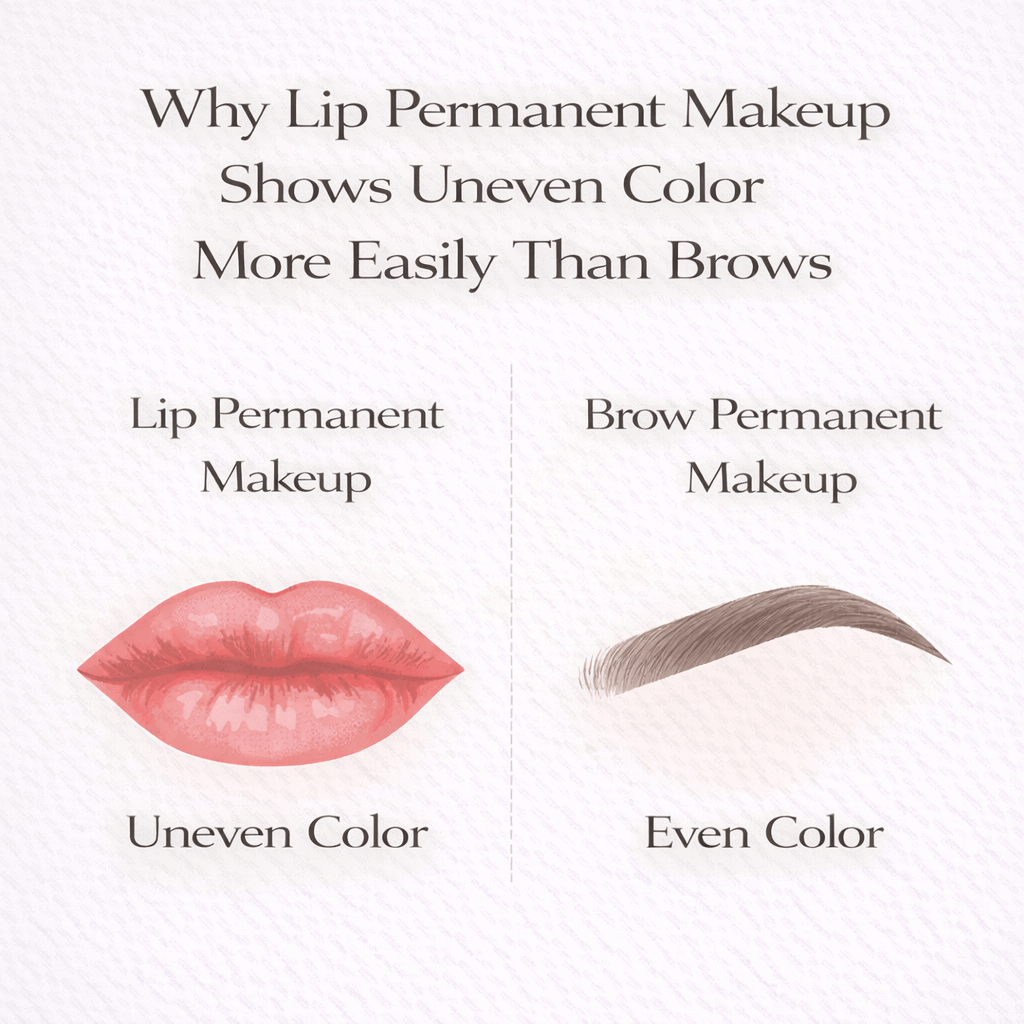
Why Lip Permanent Makeup Shows Uneven Color More Easily Than Brows
Uneven color in lip permanent makeup is more common than in brows due to thinner skin, constant movement, and more sensitive pigment behavior. Learn the three key reasons and how to manage client e...
Color Retention
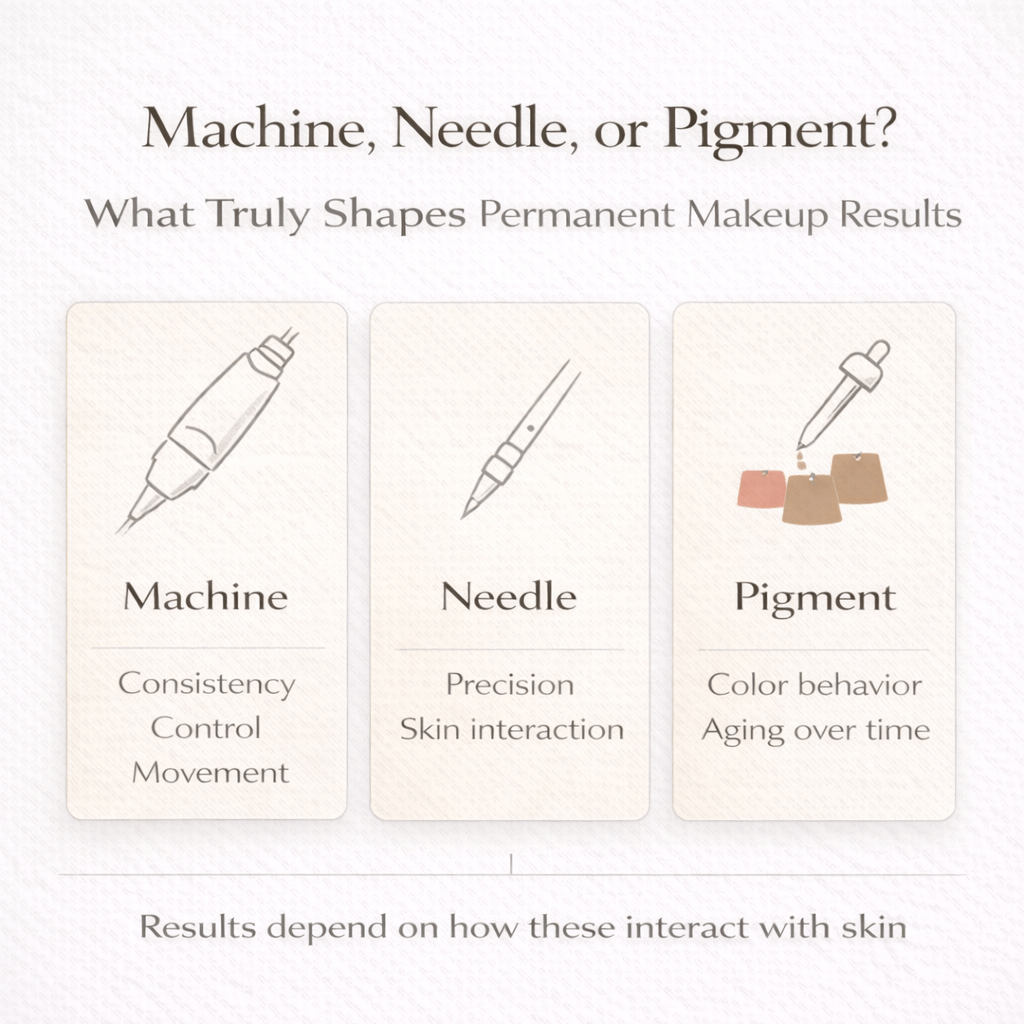
Machine, Needle, or Pigment: What Truly Shapes Permanent Makeup Results?
Permanent makeup results are shaped by how machines, needles, and pigments work together with skin biology — not by any single tool. Learn why technique and judgment matter most.
Guide
Why Touch-Ups Can’t Fix Every Permanent Makeup Issue — And What Truly Matters Instead
Touch-ups are a refinement tool, not a repair tool. Learn which permanent makeup issues can be adjusted over time — and which ones involving skin integrity cannot be reversed.
Color Correction
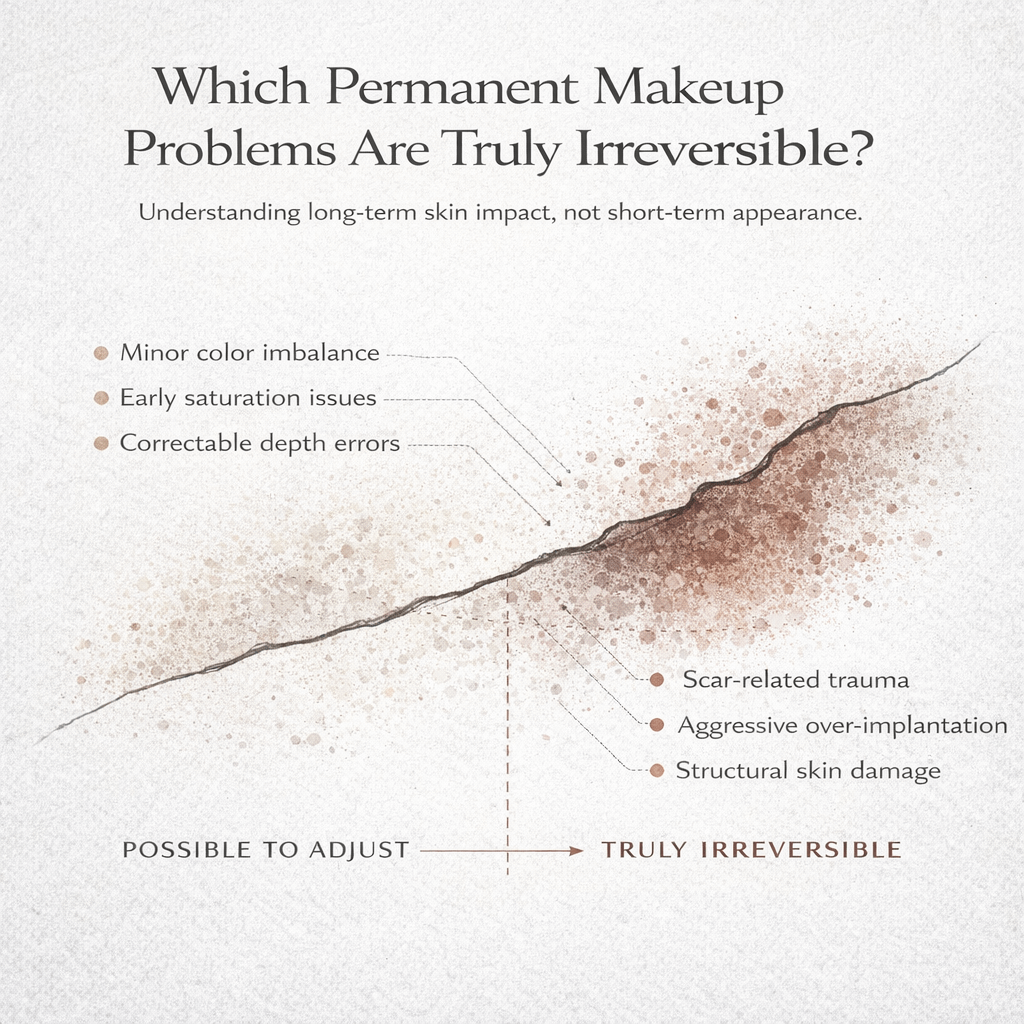
Which Permanent Makeup Issues Are Truly Irreversible?
Not all permanent makeup problems are irreversible. Learn which issues — like skin scarring and chronic trauma — truly limit future options, and which ones like color shifts can still be corrected.