BLOG

2026 Trends
Ombre Lips 2026: The Trending Lip Blush Technique and How to Choose the Right Colors for Every Client
Ombre lips are dominating 2026. This guide covers the technique, the science of lip undertones, and 6 pigment combinations for every lip type — helping PMU artists deliver the most sought-after lip...
Lip Blush
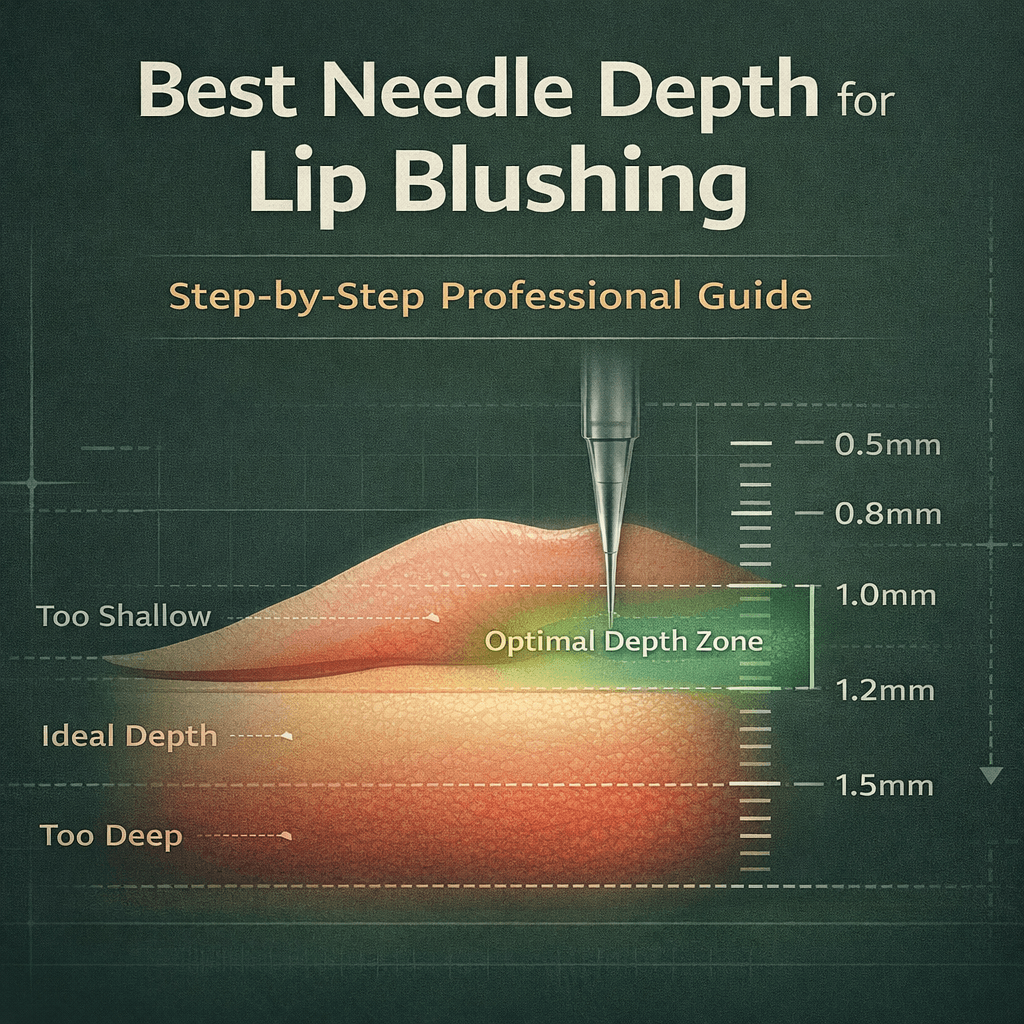
Best Needle Depth for Lip Blushing (Step-by-Step Guide)
Master needle depth for lip blushing with this step-by-step guide. Learn the ideal depth range, machine settings, needle configurations, and how to adjust for different lip types for perfect PMU re...
Eyebrows
How Long Does Permanent Makeup Last? (Brows, Lips, Eyeliner Guide)
Introduction
Permanent makeup lasts between 1 and 5 years depending on the treatment area, skin type, and pigment quality. Eyebrows typically last 1–3 years, lip blush 1–2 years, and eyeliner 2–5 y...
Color Theory
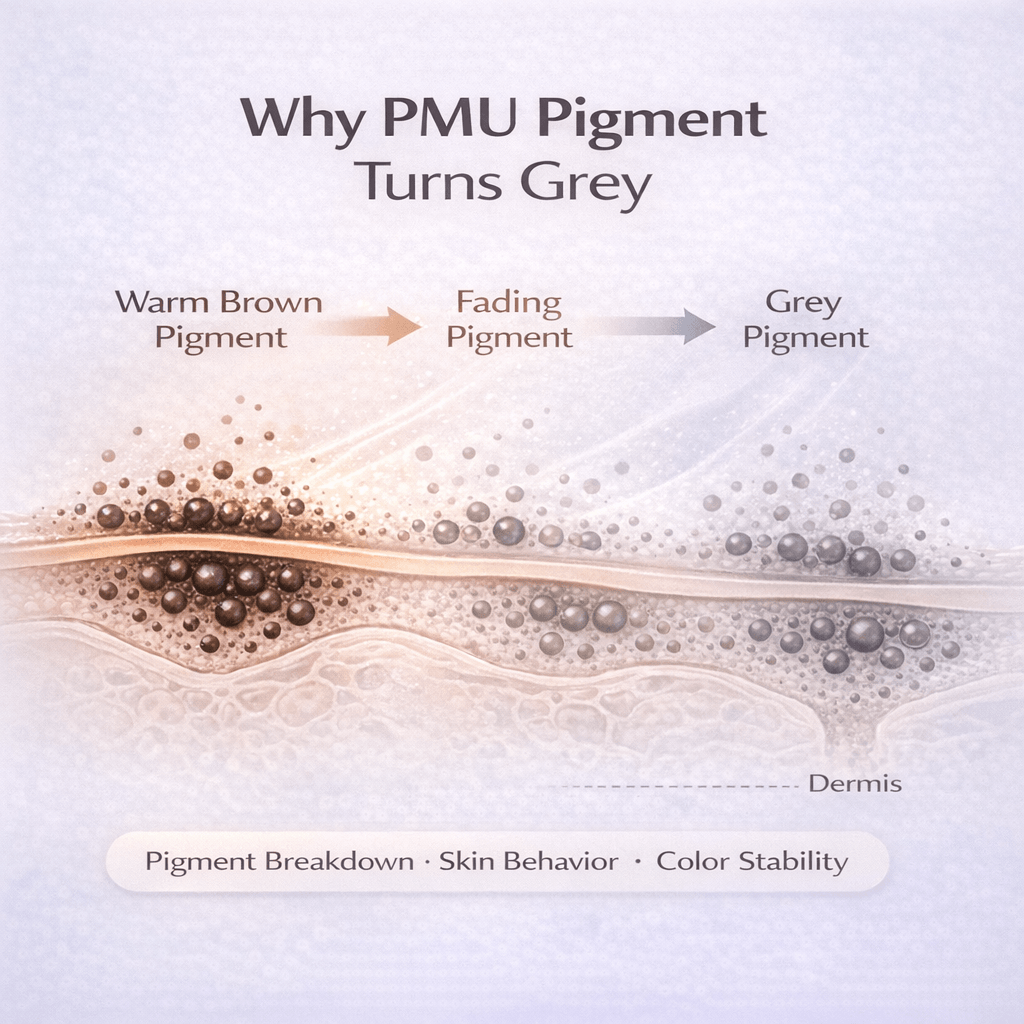
Why Does Permanent Makeup Pigment Turn Grey Over Time?
Permanent makeup pigment can turn grey over time due to pigment composition, implantation depth, skin type, and natural fading. Learn why this happens and how professional artists prevent unwanted ...
Color Theory
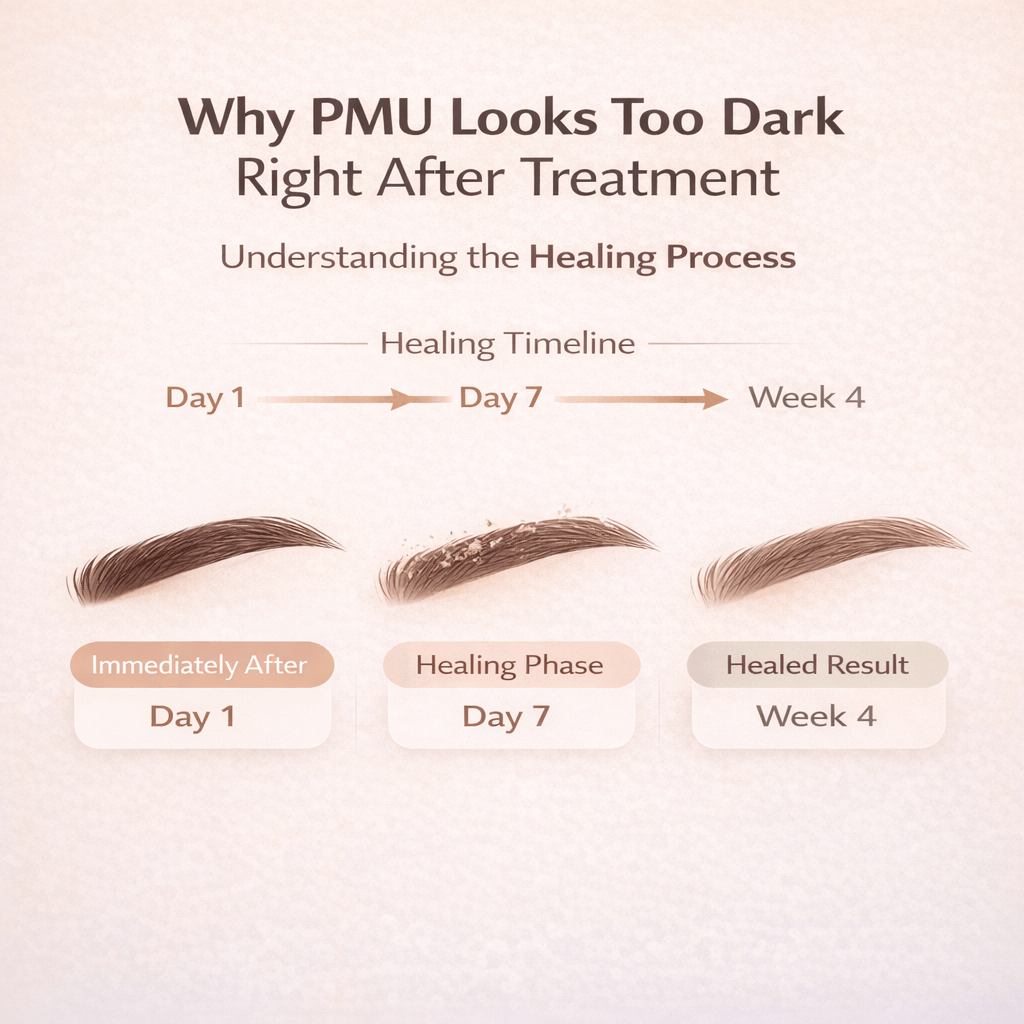
Why Does Permanent Makeup Look Too Dark Immediately After Treatment?
Permanent makeup looks darker immediately after treatment due to concentrated pigment, skin inflammation, and the healing layer. Learn why this is normal and when the final colour stabilises.
Guide
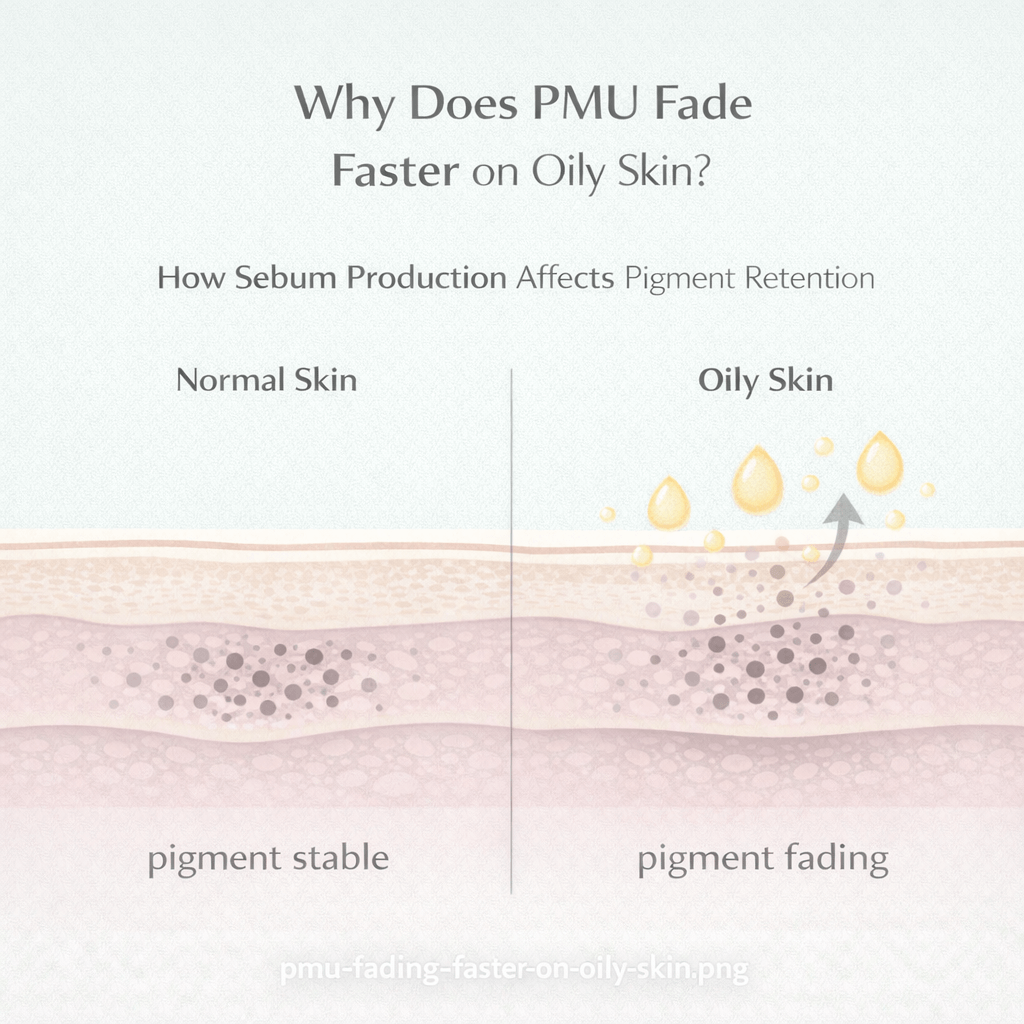
Why Does Permanent Makeup Fade Faster on Oily Skin?
Permanent makeup fades faster on oily skin due to excess sebum production, larger pores, and faster skin cell turnover. Learn how artists adjust technique and pigment selection to improve retention...
Healing Process
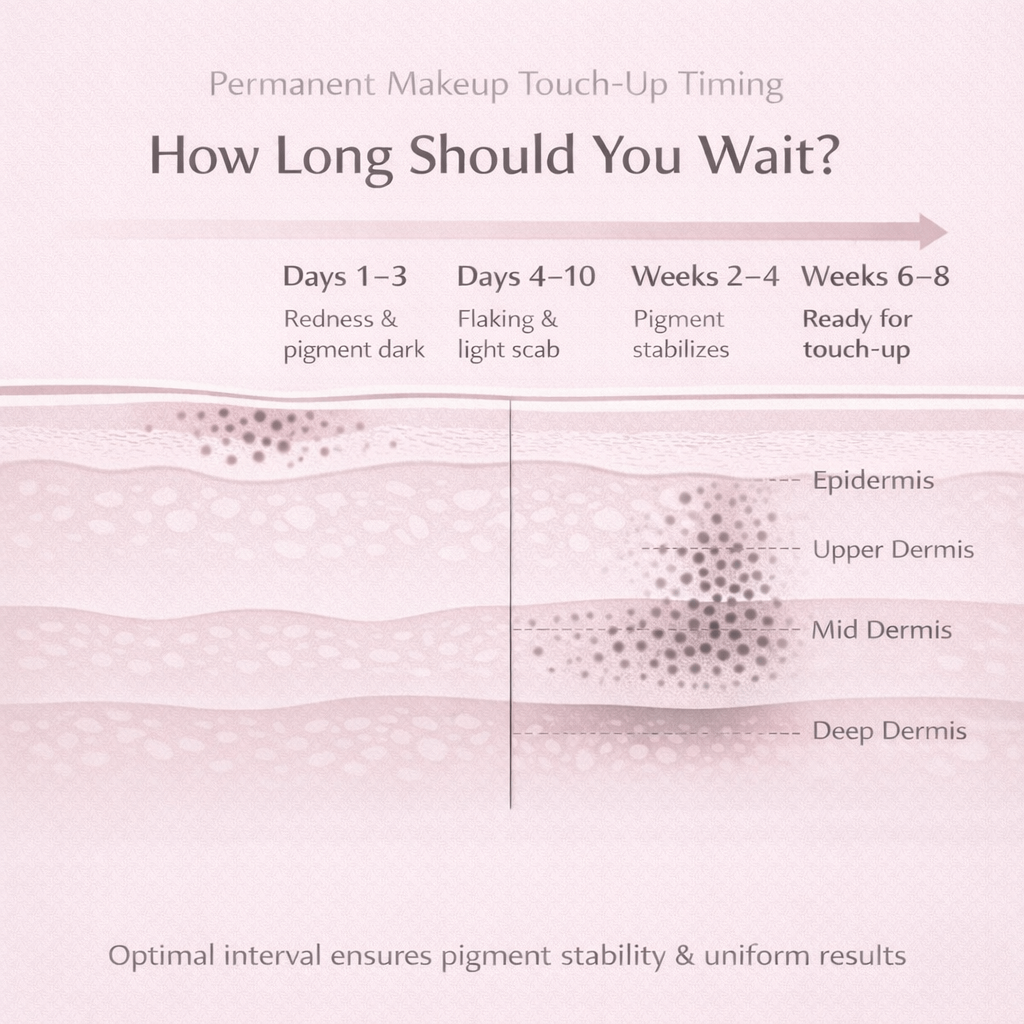
How Long Should You Wait Before Permanent Makeup Touch-Up?
The ideal waiting period before a permanent makeup touch-up is 6–8 weeks after the initial procedure. Learn how healing, skin type, and treatment area affect touch-up timing for the best long-term ...
Color Theory
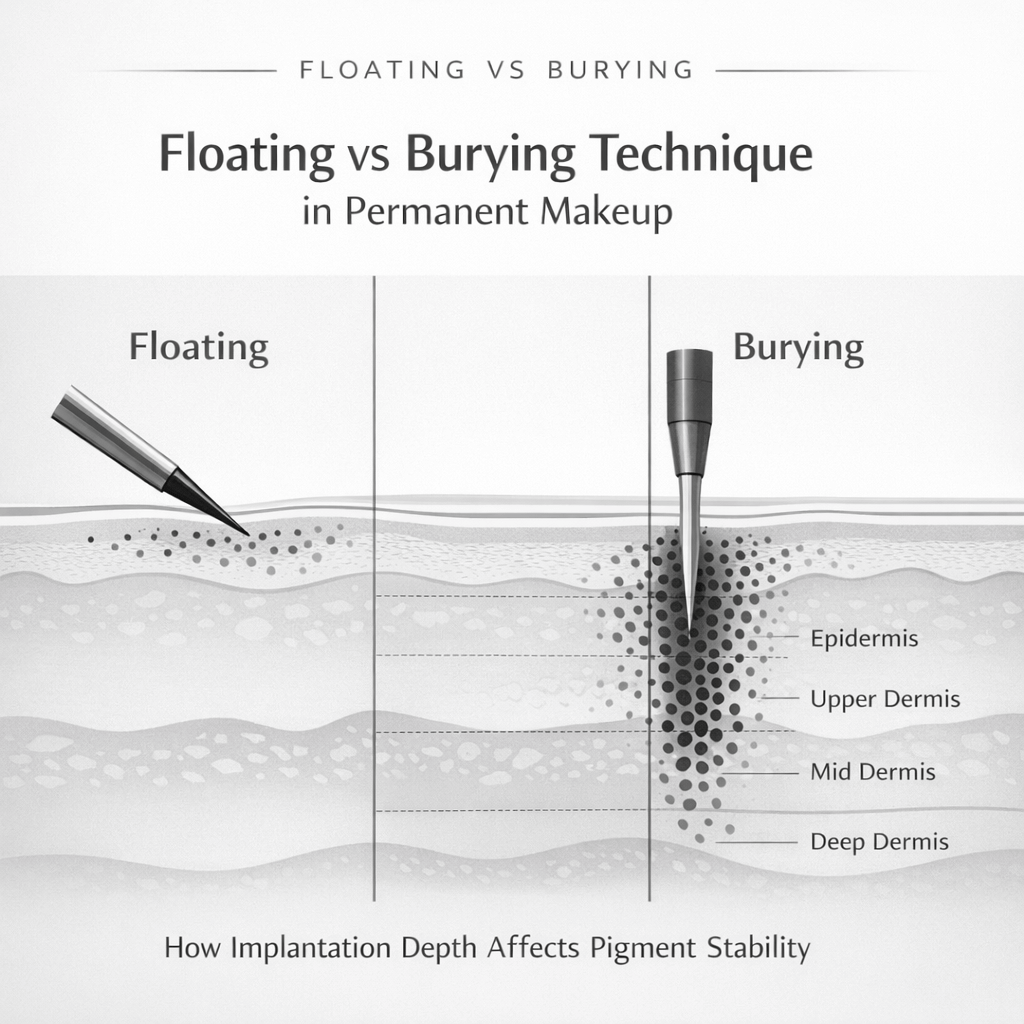
Floating vs Burying Technique in Permanent Makeup: How It Affects Pigment Stability
Floating and burying are two core implantation techniques in permanent makeup. Learn how each affects pigment depth, trauma level, and long-term retention — and when to use each for optimal results.
Guide
How UV Exposure and Skincare Impact Permanent Makeup Pigment Longevity
UV exposure and daily skincare habits are two of the biggest factors affecting permanent makeup pigment longevity. Learn which ingredients to avoid, how to protect treated areas, and how to make yo...