BLOG
Color Theory
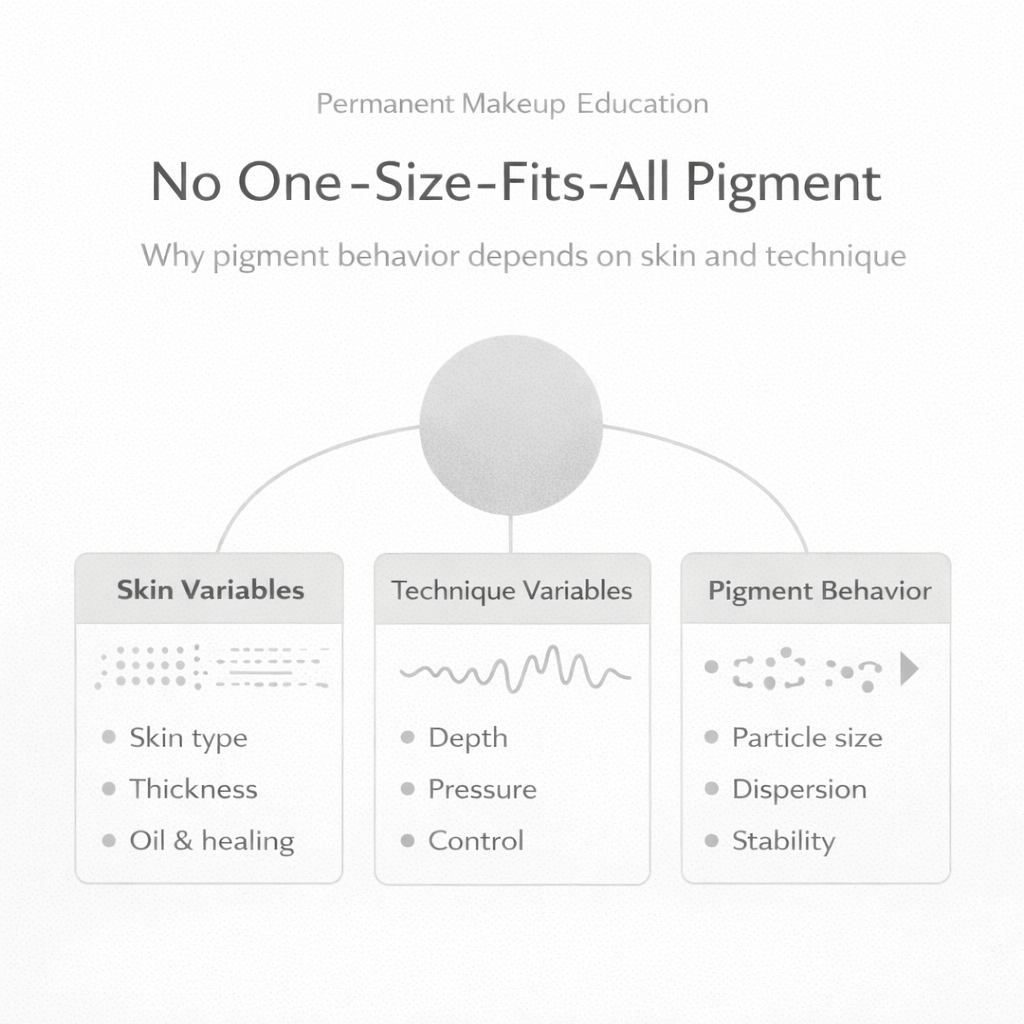
Why There Is No One-Size-Fits-All Pigment in Permanent Makeup
There is no universal pigment in permanent makeup because skin biology, implantation technique, and pigment behaviour all interact differently for every client. Learn why professional pigment selec...
Color Theory
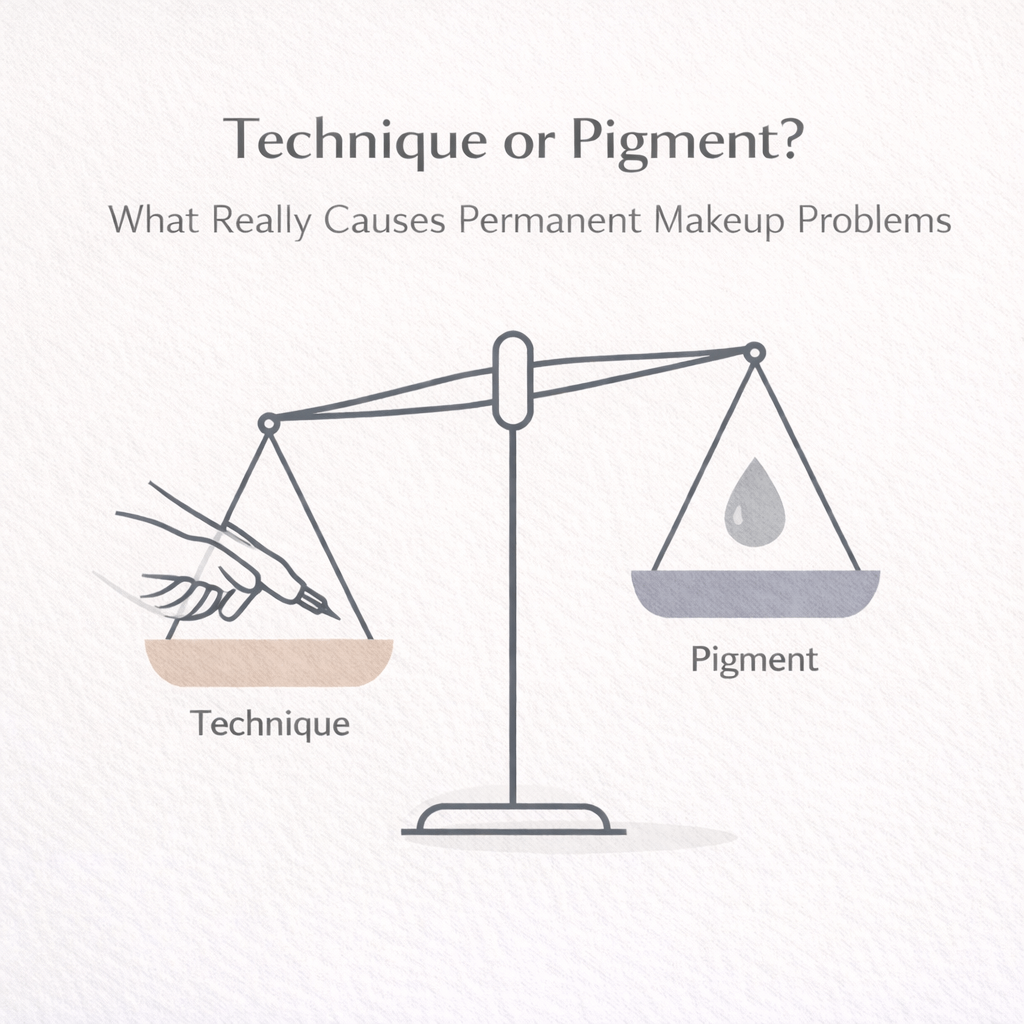
Technique or Pigment: What Truly Causes Permanent Makeup Problems?
Most permanent makeup problems are not caused by technique or pigment alone — they result from a mismatch between the two. Learn how technique, pigment, and skin biology interact to determine PMU o...
Color Science
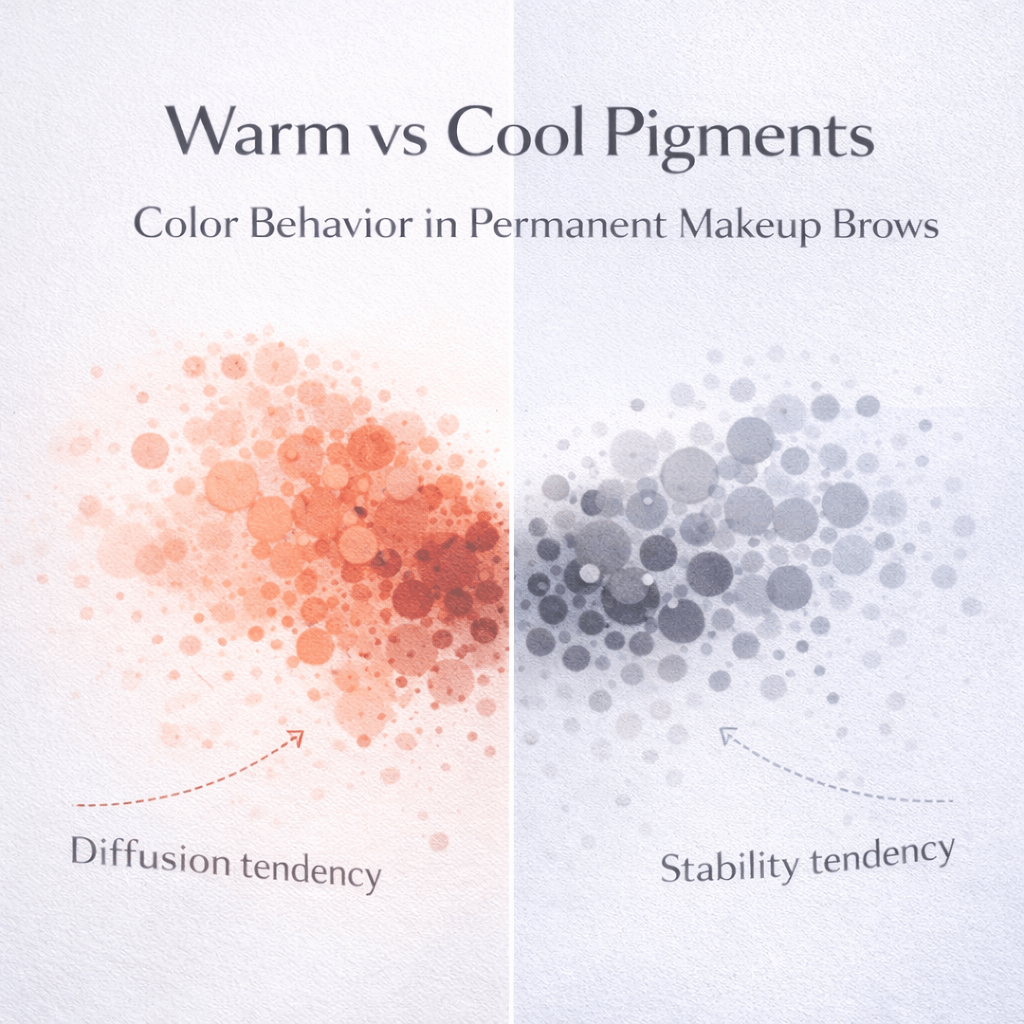
Why Warm Pigments Appear More Vibrant While Cool Pigments Stay More Stable in Permanent Makeup
Warm pigments appear more vibrant in permanent makeup due to light reflection and skin undertones, while cool pigments offer greater long-term stability. Learn how skin biology and pigment formulat...
Brow PMU
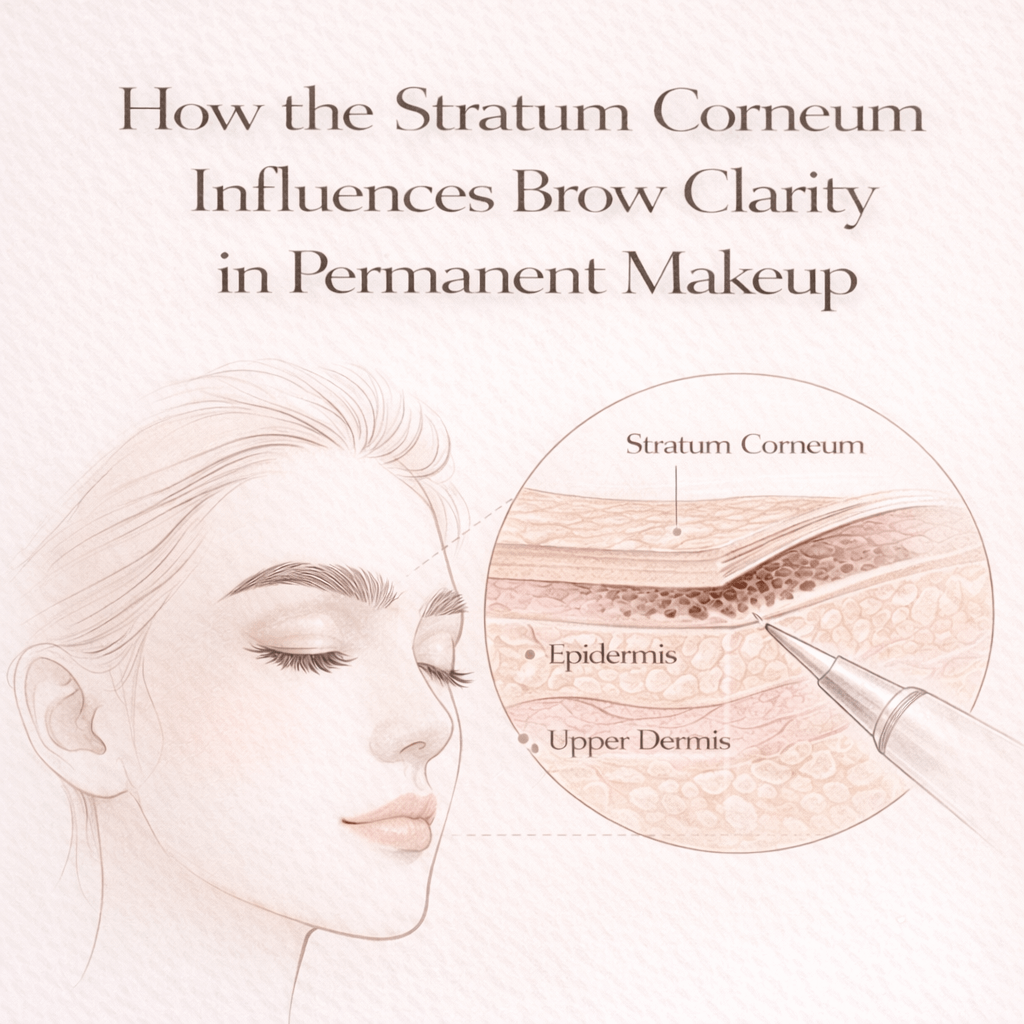
How the Stratum Corneum Influences Brow Clarity in Permanent Makeup
The stratum corneum — the outermost skin layer — plays a decisive role in brow clarity, pigment retention, and line sharpness in permanent makeup. Learn how skin structure affects your PMU results.
Color Retention
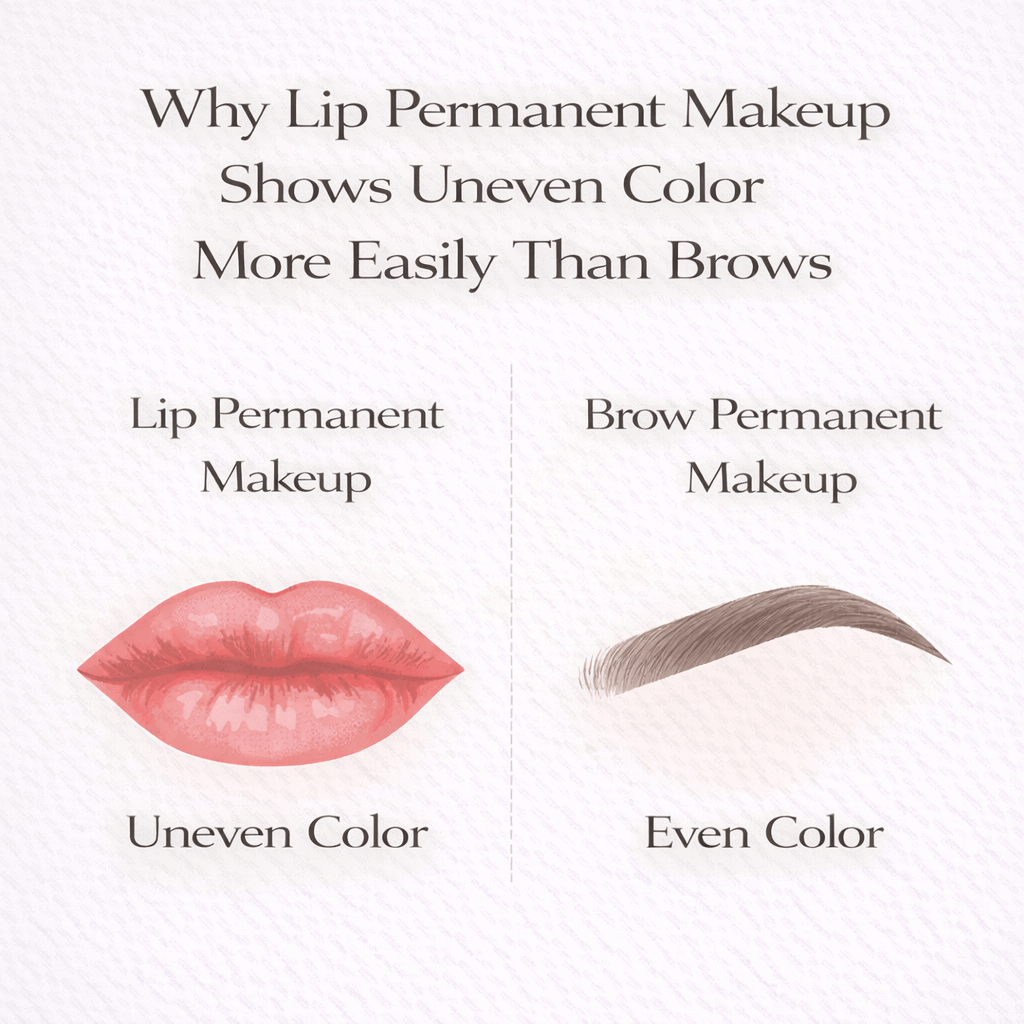
Why Lip Permanent Makeup Shows Uneven Color More Easily Than Brows
Uneven color in lip permanent makeup is more common than in brows due to thinner skin, constant movement, and more sensitive pigment behavior. Learn the three key reasons and how to manage client e...
Color Retention
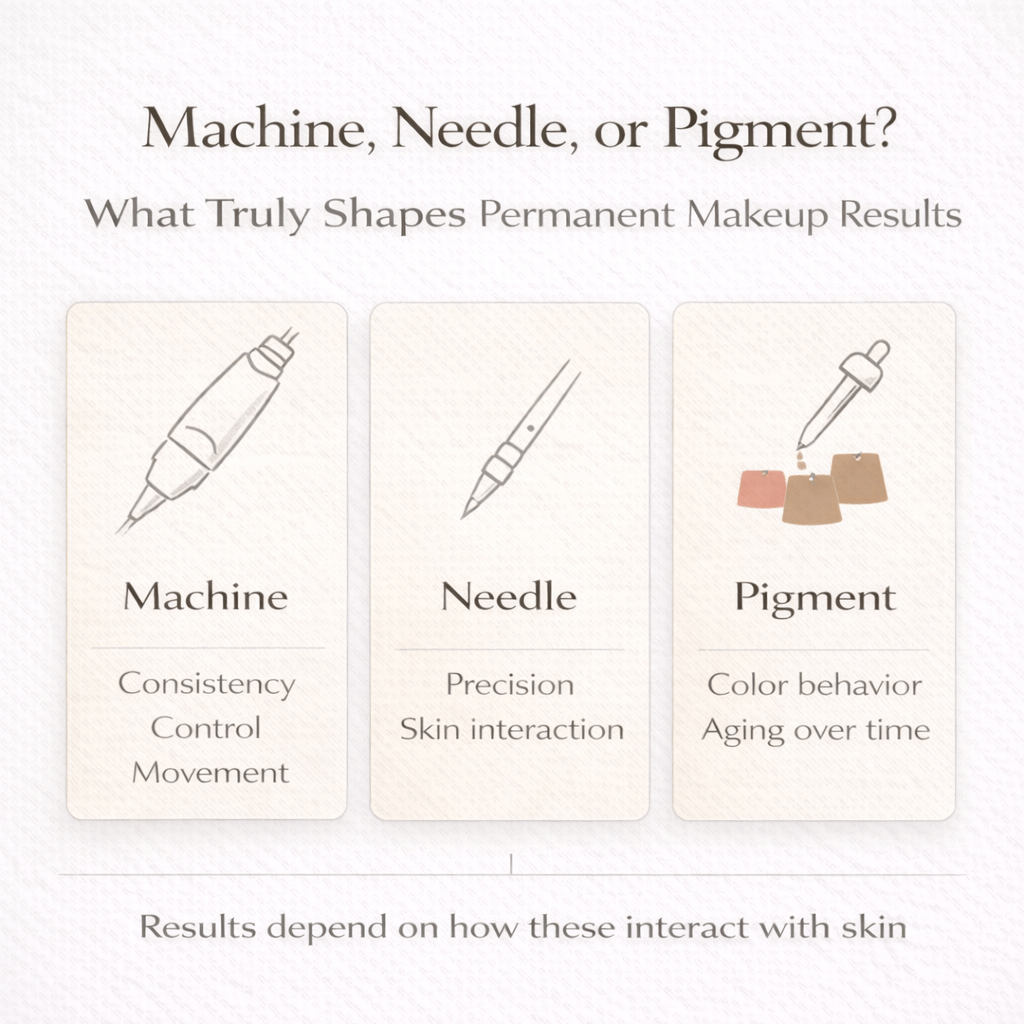
Machine, Needle, or Pigment: What Truly Shapes Permanent Makeup Results?
Permanent makeup results are shaped by how machines, needles, and pigments work together with skin biology — not by any single tool. Learn why technique and judgment matter most.
Color Correction
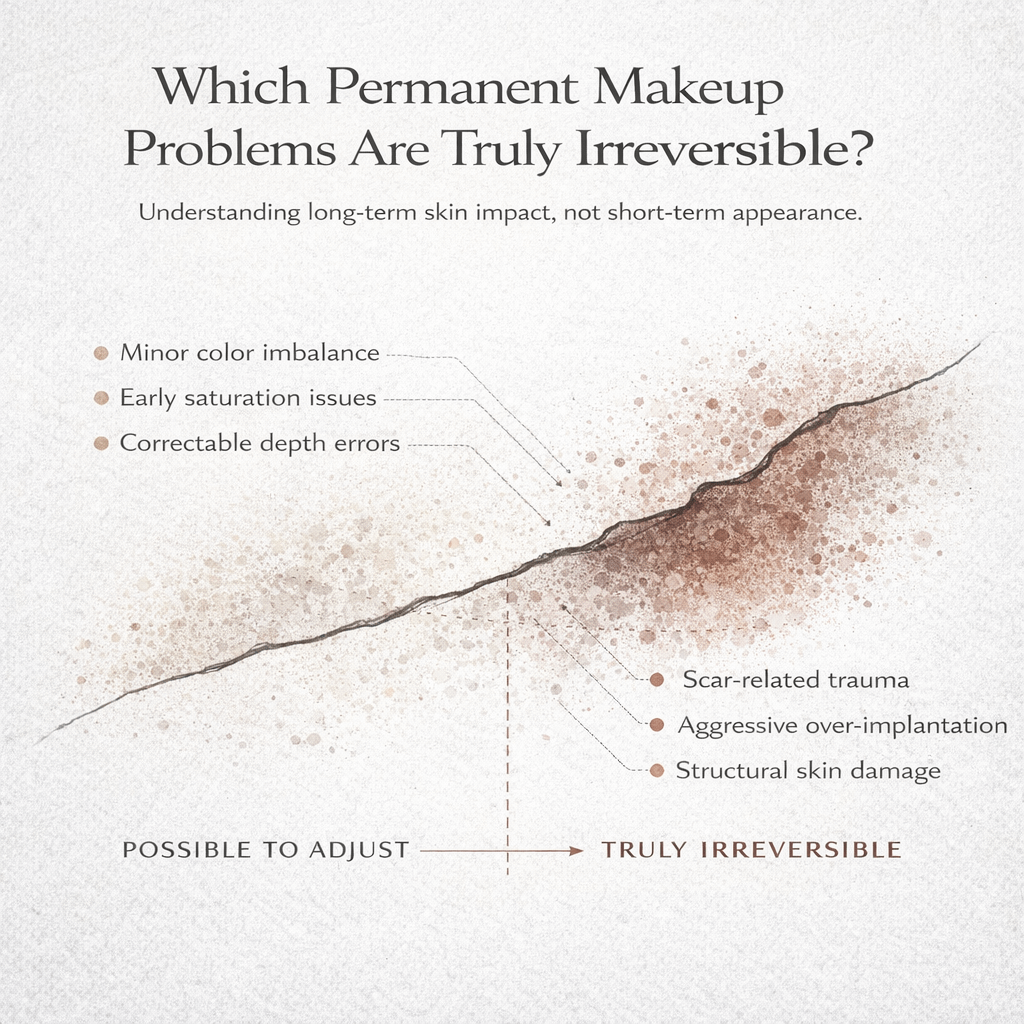
Which Permanent Makeup Issues Are Truly Irreversible?
Not all permanent makeup problems are irreversible. Learn which issues — like skin scarring and chronic trauma — truly limit future options, and which ones like color shifts can still be corrected.
Color Retention
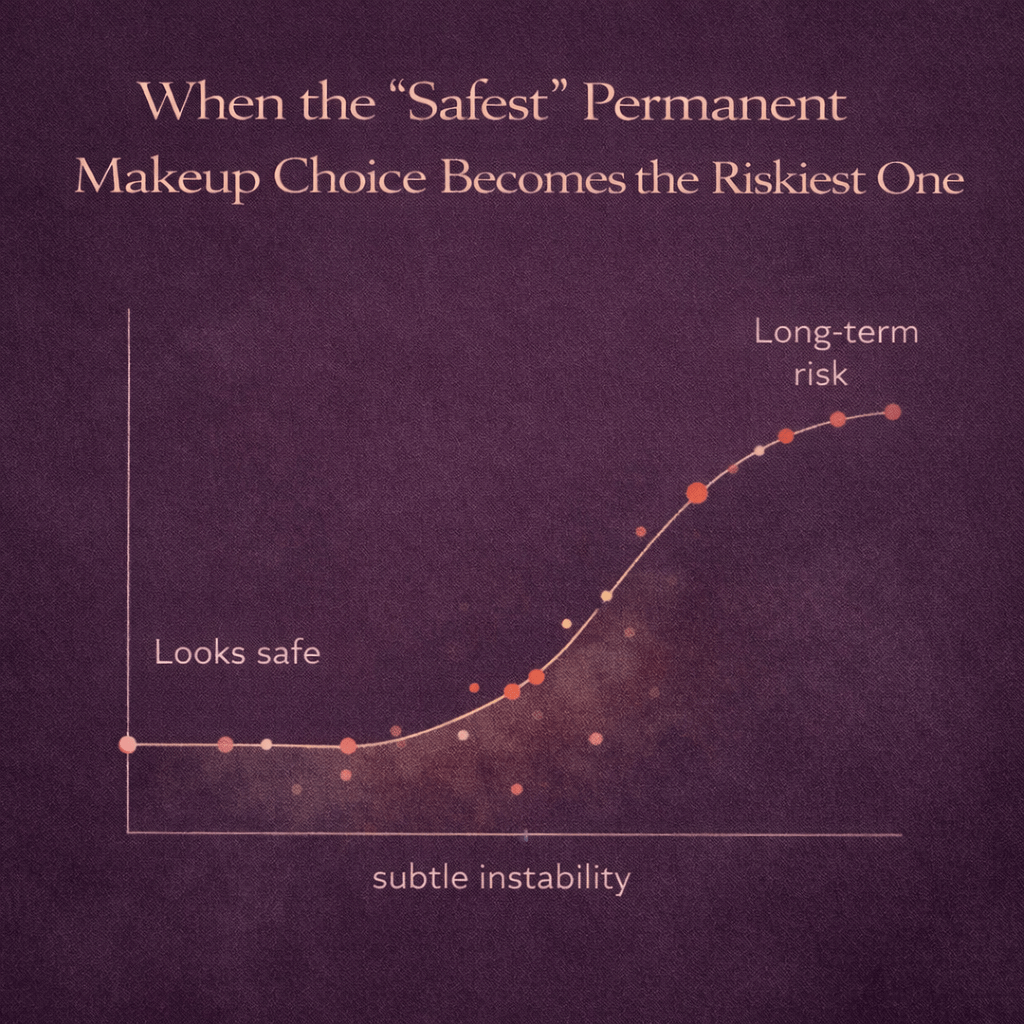
When the “Safest” Permanent Makeup Choice Becomes the Riskiest One
What looks safe in permanent makeup isn’t always low risk. Learn why strong-hold pigments, high intensity, and overconfidence in permanence can create the highest long-term correction challenges.
Color Retention
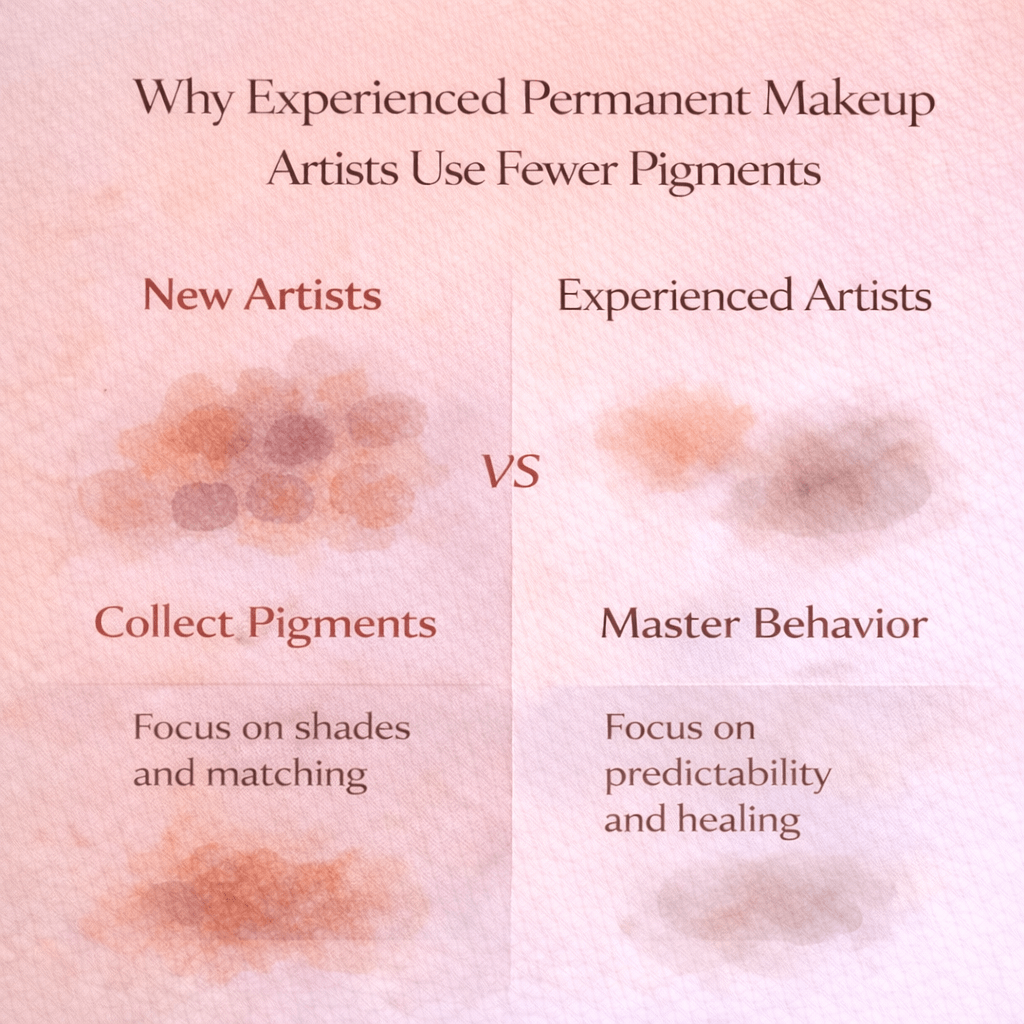
Why Experienced Permanent Makeup Artists Rely on Fewer Pigments
Experienced PMU artists achieve better results with fewer pigments — not more. Learn how pigment predictability, skin response, and color control matter more than large pigment collections.