BLOG
Color Retention
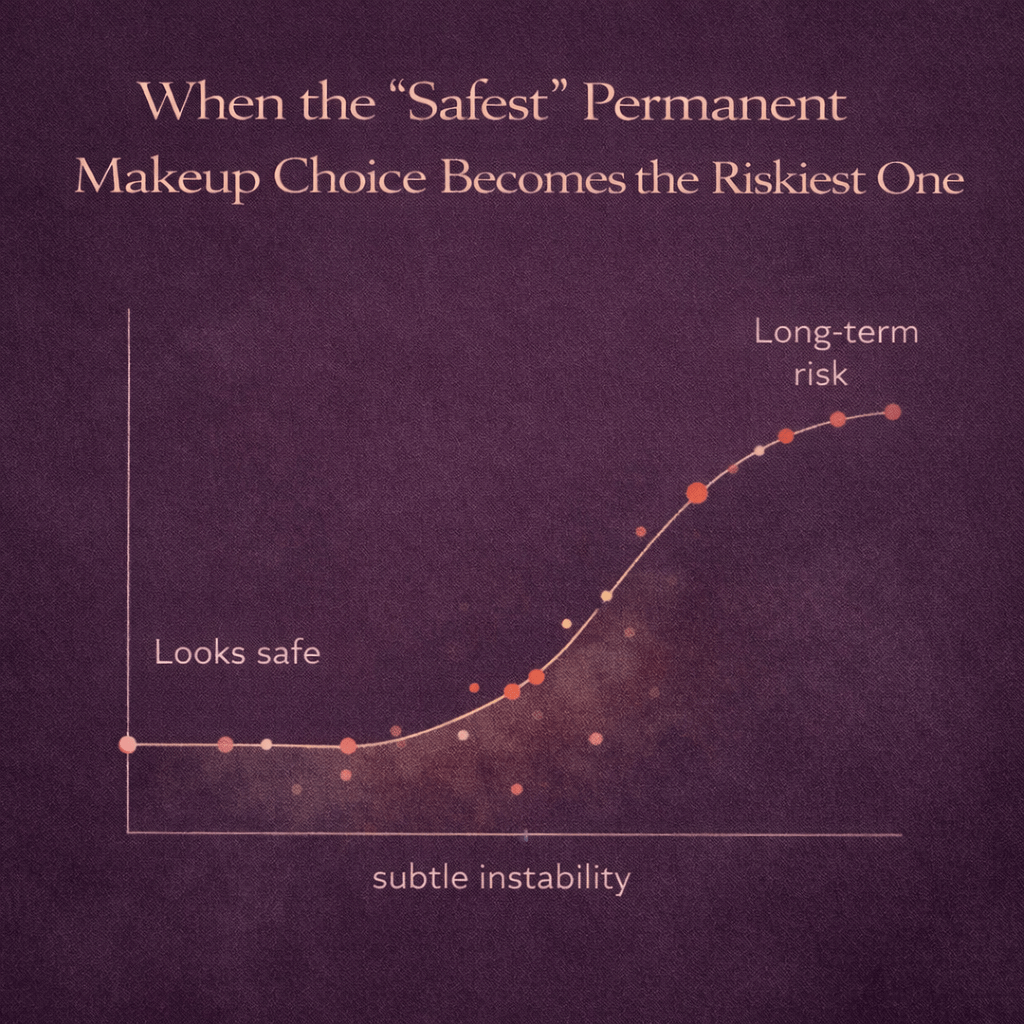
When the “Safest” Permanent Makeup Choice Becomes the Riskiest One
What looks safe in permanent makeup isn’t always low risk. Learn why strong-hold pigments, high intensity, and overconfidence in permanence can create the highest long-term correction challenges.
Color Retention
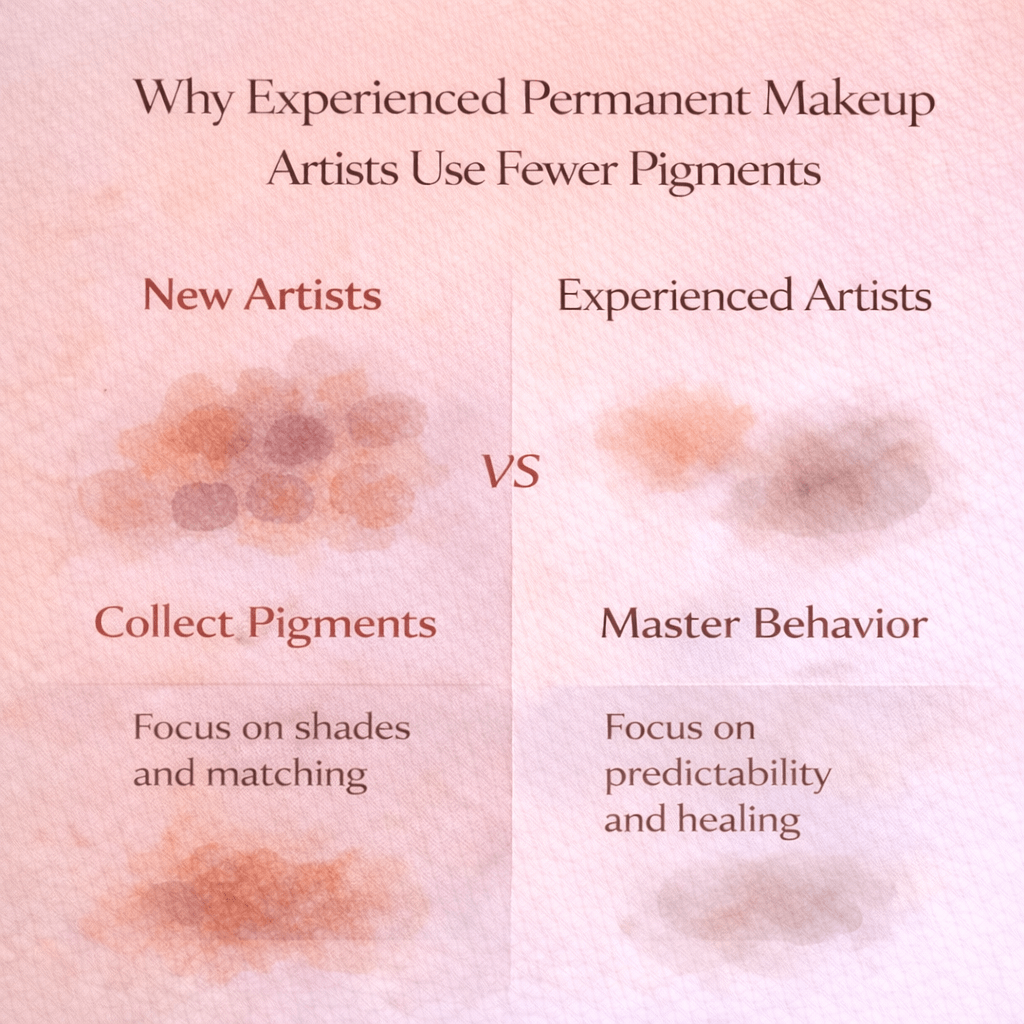
Why Experienced Permanent Makeup Artists Rely on Fewer Pigments
Experienced PMU artists achieve better results with fewer pigments — not more. Learn how pigment predictability, skin response, and color control matter more than large pigment collections.
Color Retention
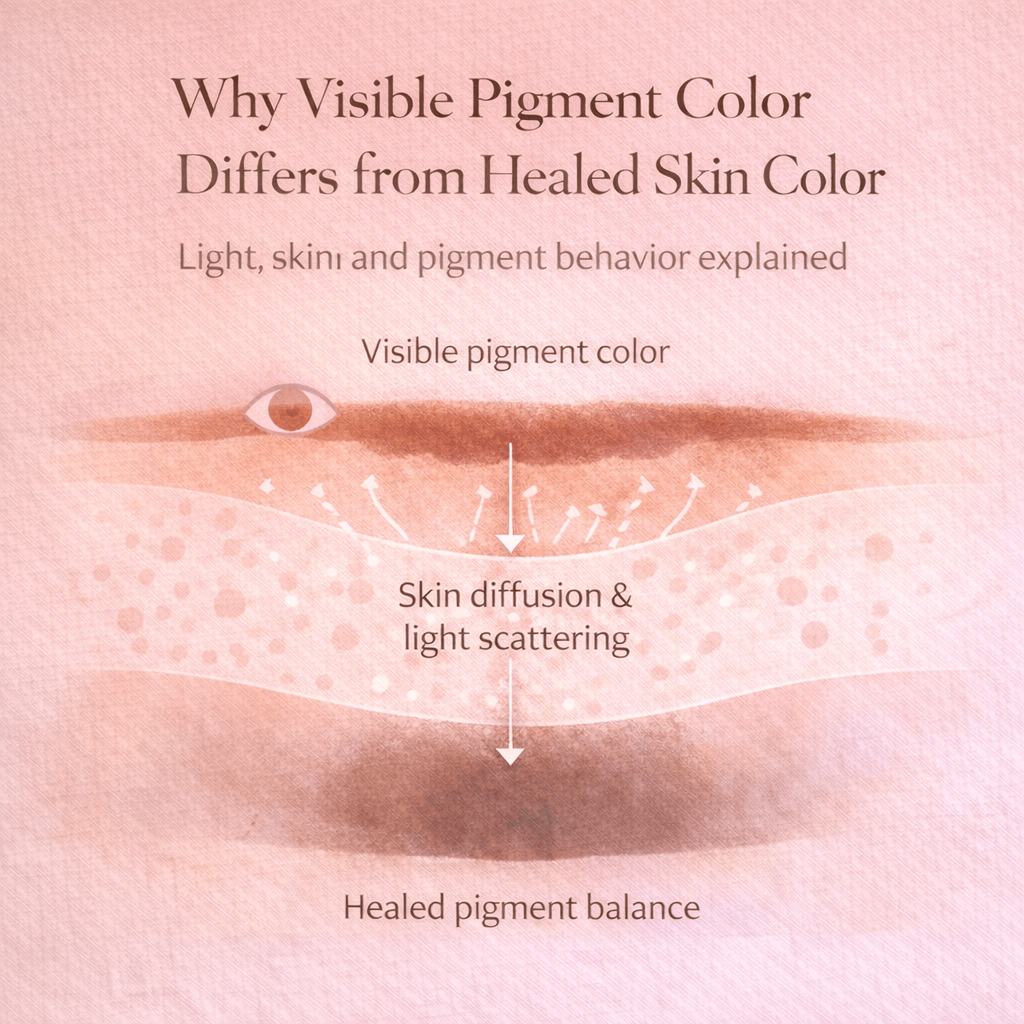
Why Permanent Makeup Pigment Looks Different After Healing - Understanding Skin Optics, Healing Response, and Pigment Behavior
Fresh PMU pigment often looks darker, warmer, and more saturated than healed results. Learn why skin inflammation, optical depth, and pigment structure — not pigment failure — cause this difference.
Brow PMU
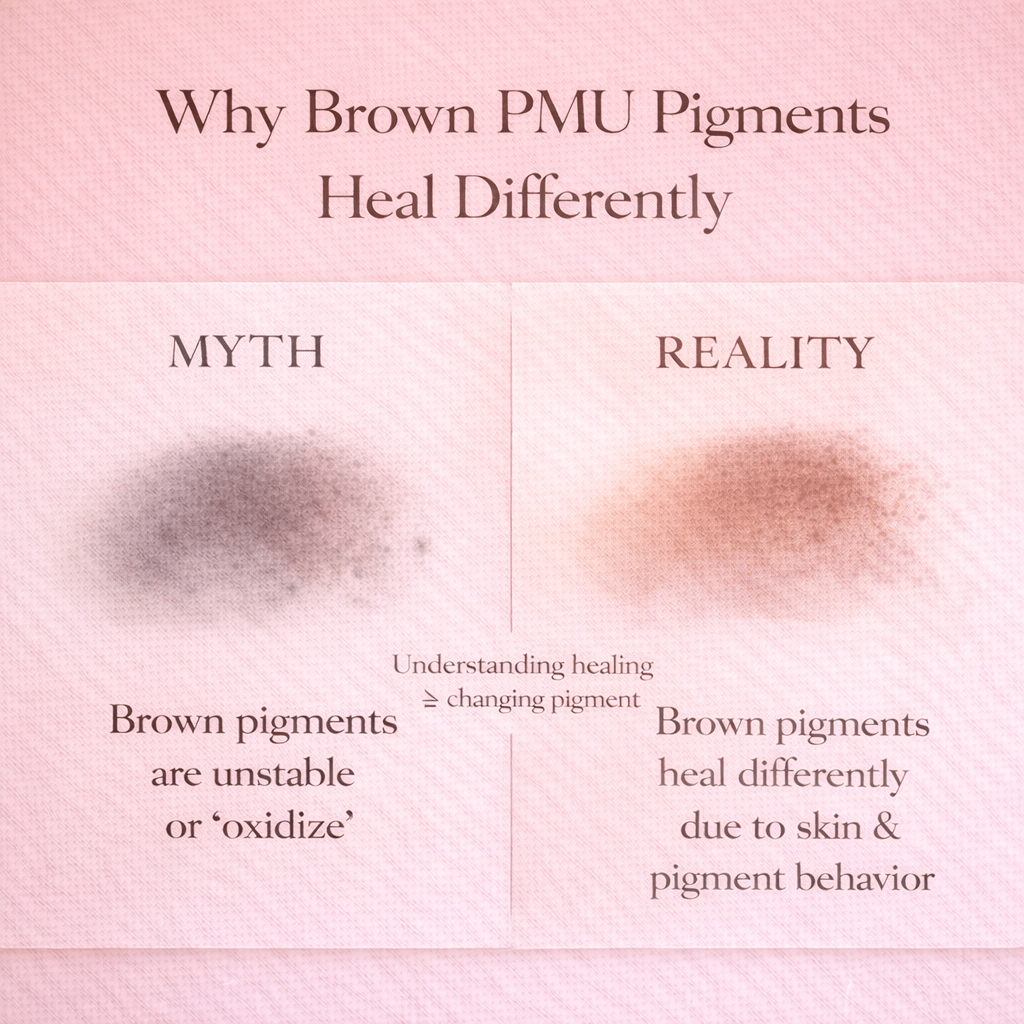
Why Brown Permanent Makeup Pigments Heal Differently Than Expected
Brown PMU pigments often heal cooler, lighter, or more muted than expected. Learn how pigment composition, skin optics, and implantation depth — not technique failure — explain this difference.
Color Correction
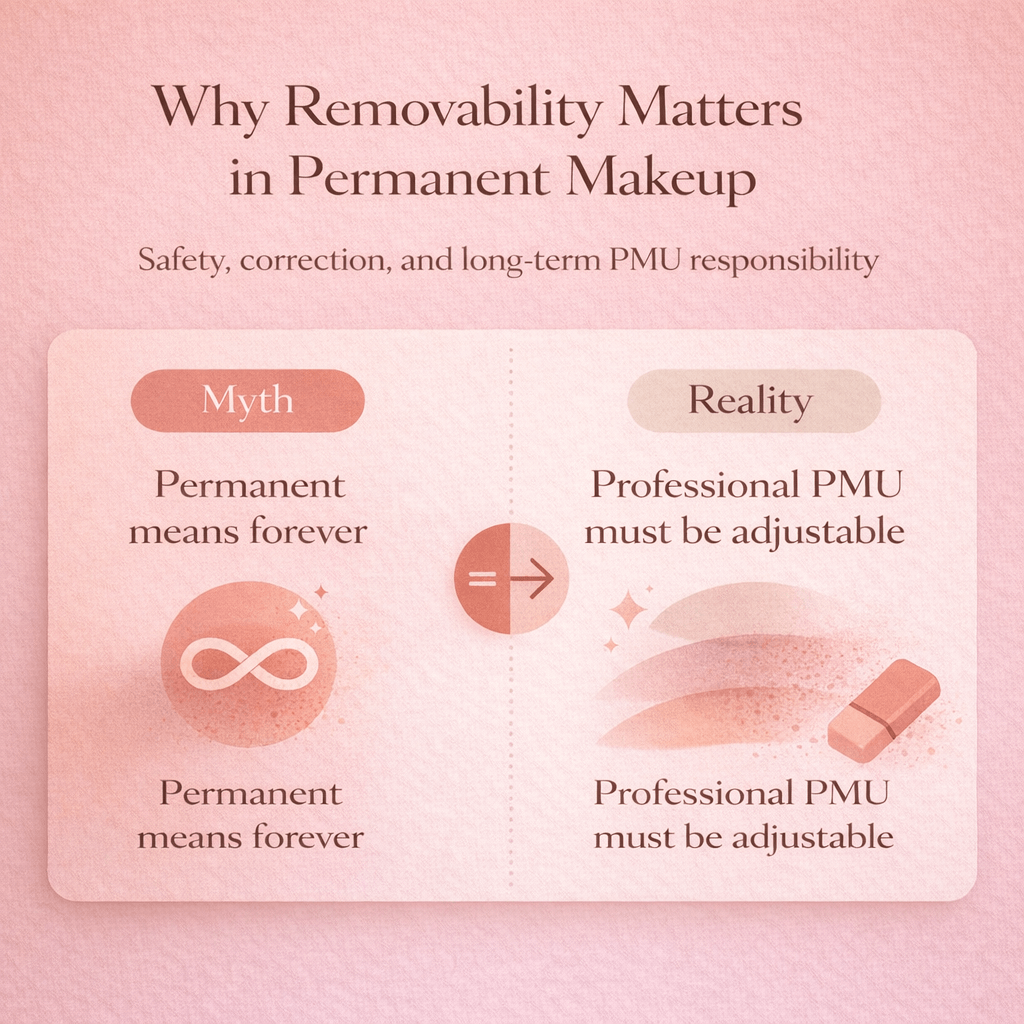
Why Removability Matters in Permanent Makeup: What Artists and Clients Should Know
Removability is not a flaw in permanent makeup — it’s a safety feature. Learn why pigments that can be adjusted, corrected, or removed protect clients long-term and reflect responsible professional...
Client Consultation
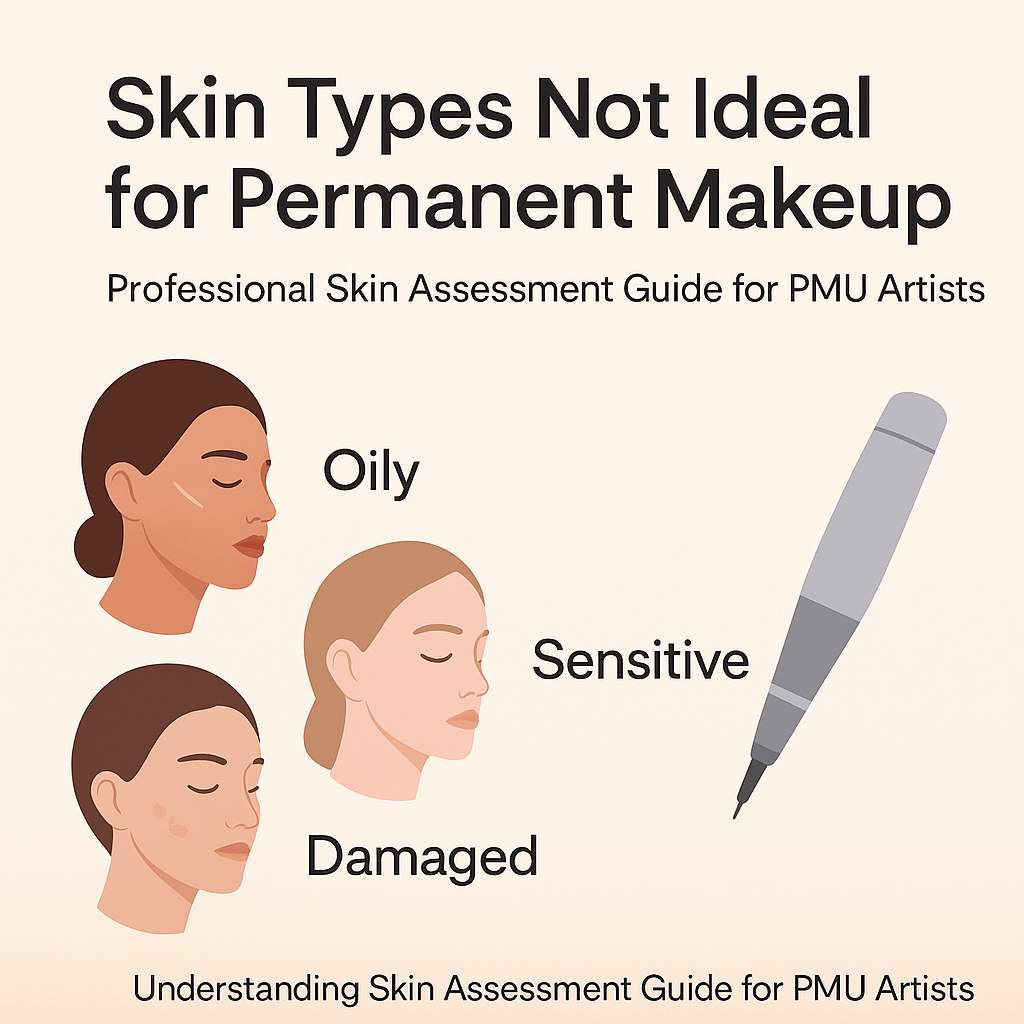
Skin Types That Are Not Ideal for Permanent Makeup: A Professional Guide for Permanent Makeup Artists
Not all skin types are ideal for permanent makeup. Extremely oily skin reduces retention, thin or sensitive skin increases trauma risk, and active acne or compromised skin barriers create infection...
Aftercare
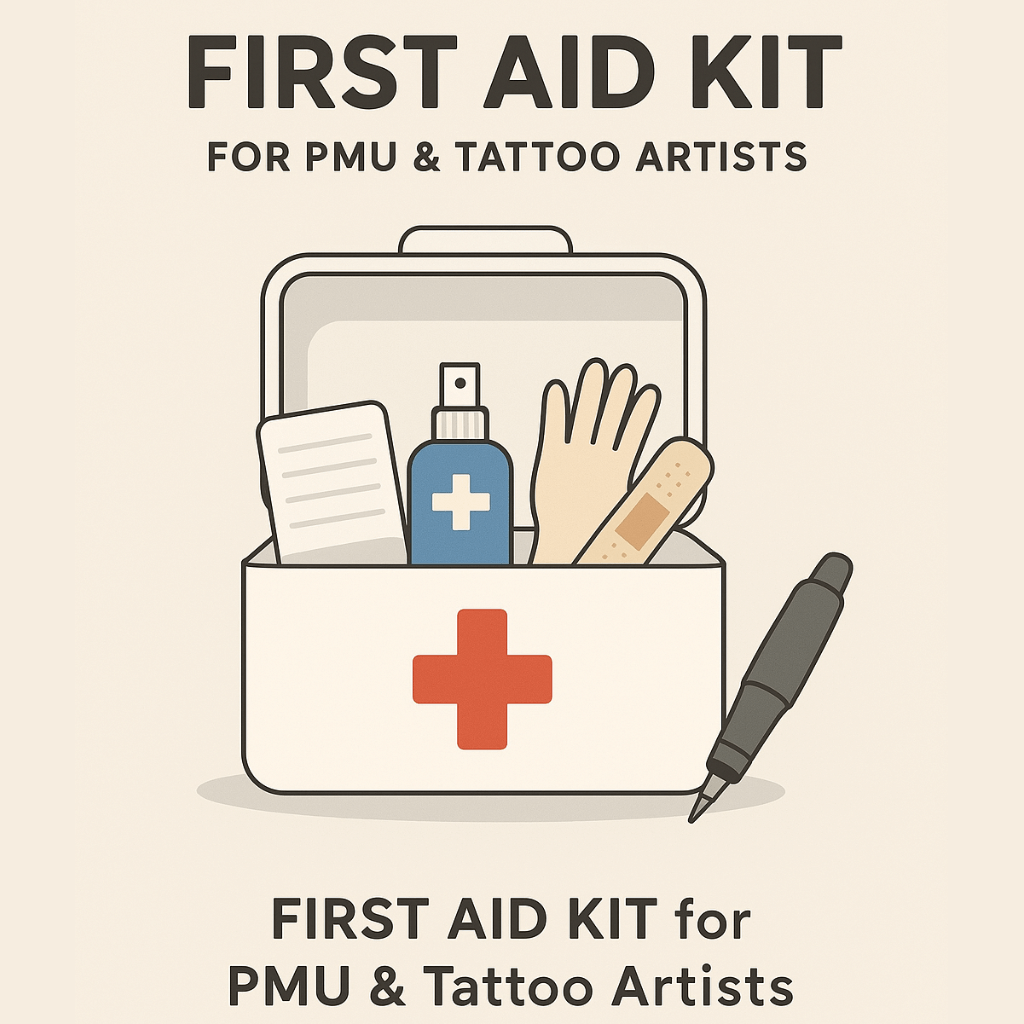
Essential First Aid Kit Guide for Permanent Makeup & Tattoo Professionals
A complete first aid kit is essential for every PMU and tattoo studio. Learn which supplies cover skin preparation, wound care, and emergency reactions — and how preparedness protects both clients ...
Client Consultation
Sunlight & Permanent Makeup: Why Your Colour Fades and How to Stop It
UV rays break down permanent makeup pigment molecules, causing premature fading and color shifting. Broad-spectrum SPF 30+, physical barriers, and avoiding tanning beds protect results. Daily sun p...
Client Consultation
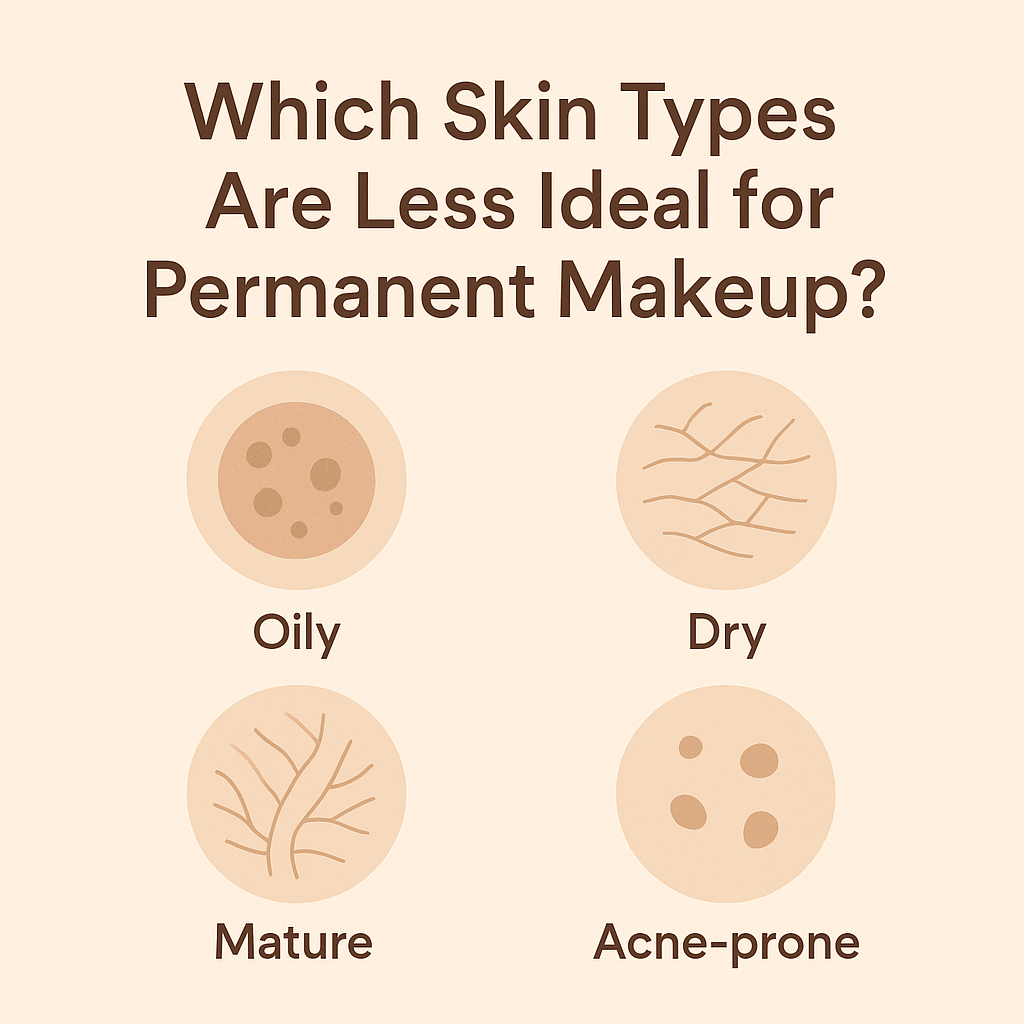
Which Skin Types Are Less Ideal for Permanent Makeup? | A Guide for Clients & Artists
Oily skin reduces pigment retention and blurs strokes. Thin, mature, or dry skin heals unpredictably and holds less pigment. Acne-prone or reactive skin creates uneven uptake. Each type requires te...