BLOG
Color Correction
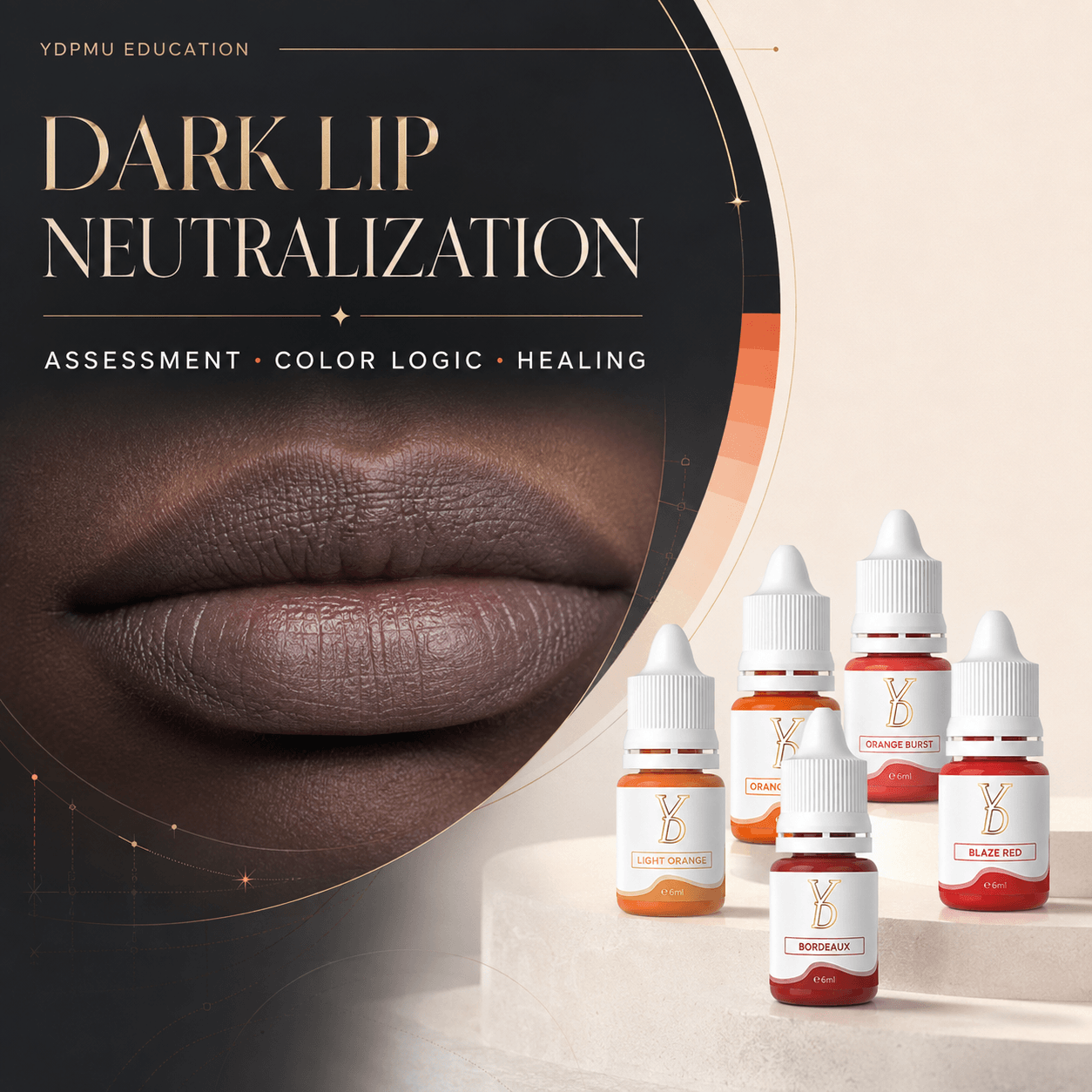
Dark Lip Neutralization: Assessment, Color Logic, Sessions and Healing
Lip neutralization is a color correction technique that uses warm pigments to cancel dark, purple, brown, or grey lip undertones before applying aesthetic lip color. Learn how it works, who needs i...
Lip Blushing
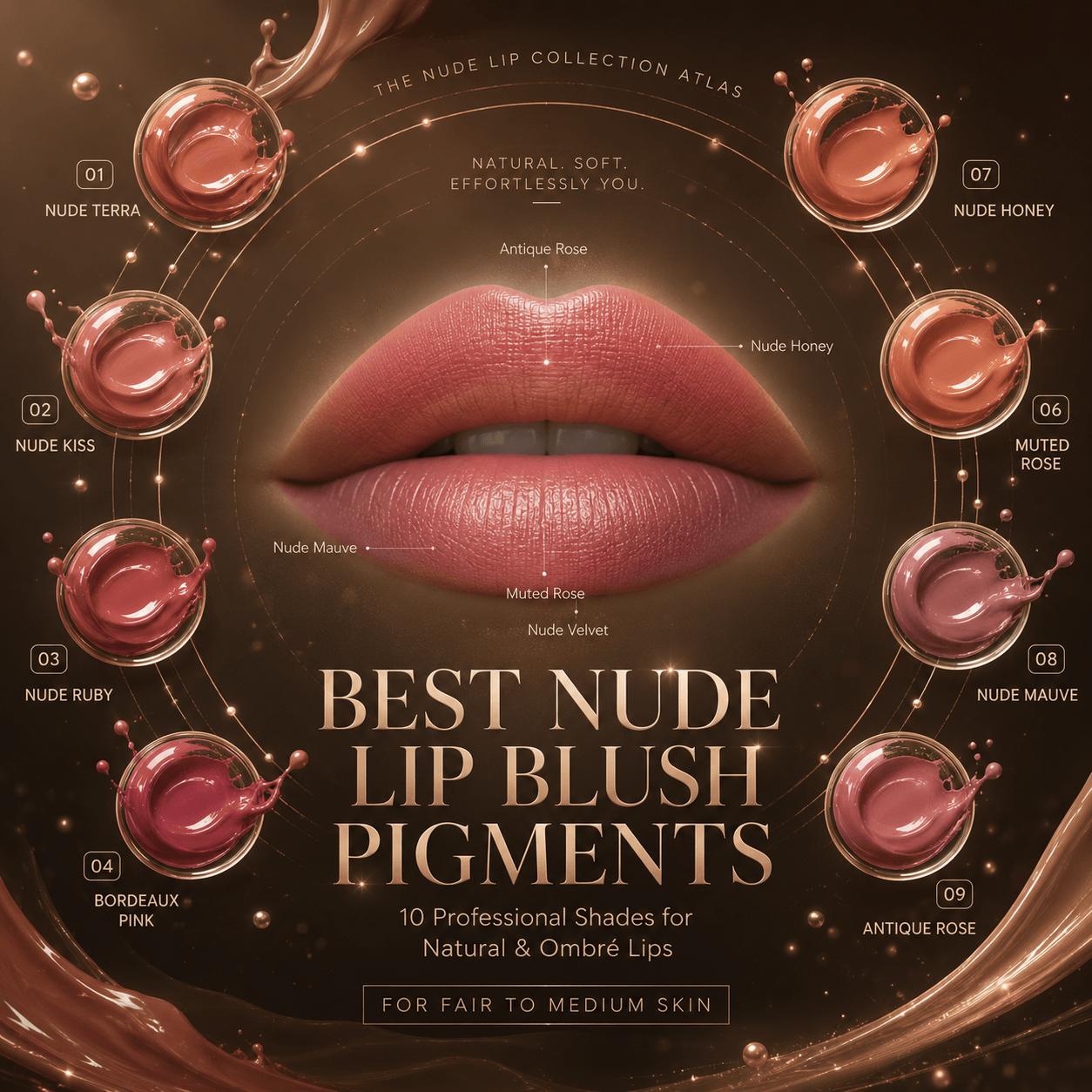
Best Nude Lip Blush Pigments for Fair Skin: 10 Professional Shades for Natural & Ombré Lips
The YDPMU Nude Lip Collection is a professional nude lip blush pigment system specifically developed for fair to medium skin tones and modern ombré lip blush techniques popular across Europe and No...
Allergic Reaction
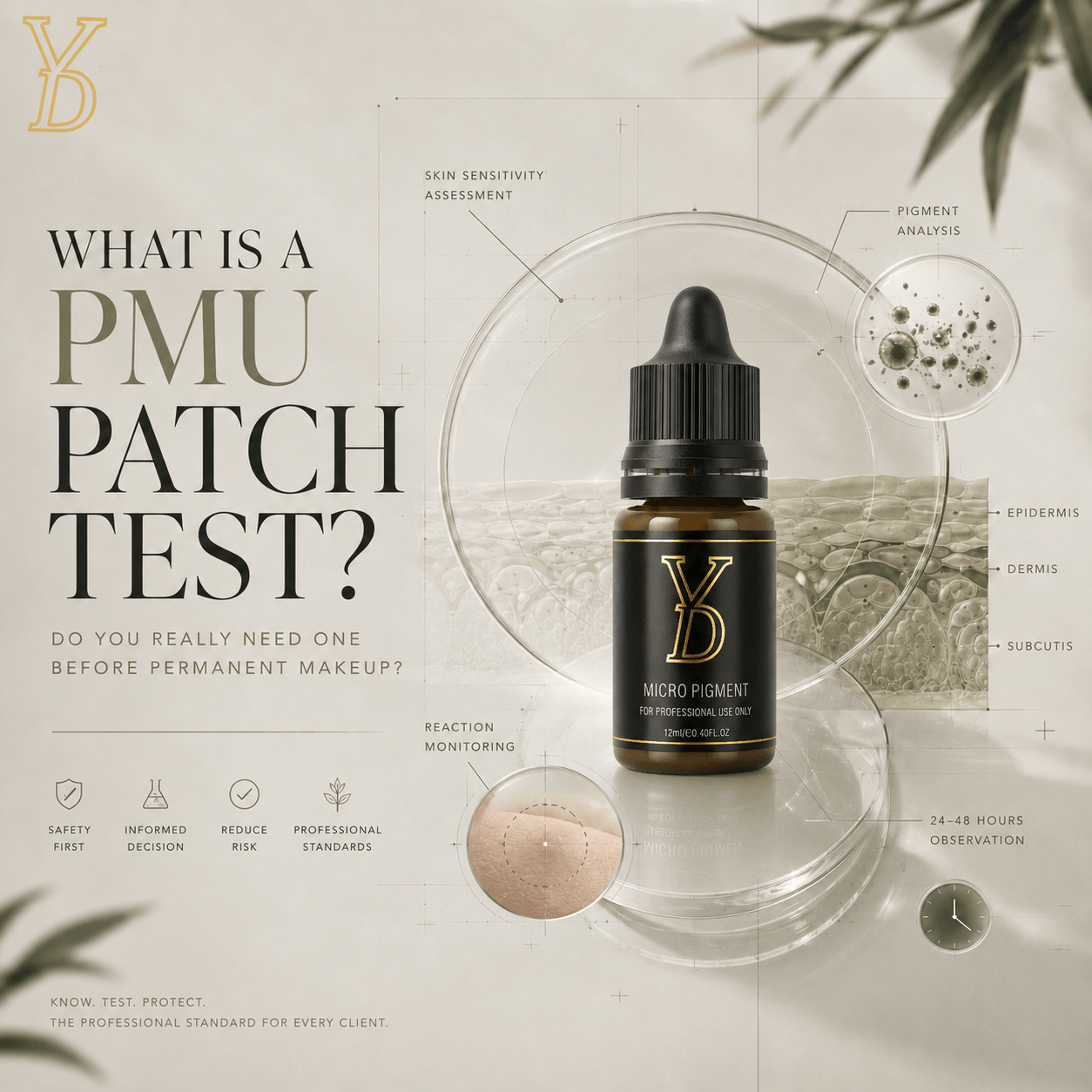
What Is a PMU Patch Test and Do You Really Need One?
A PMU patch test involves applying a small amount of pigment to the skin and monitoring for an allergic reaction over 24–48 hours before a full procedure. Patch tests are not universally required f...
Client Guide
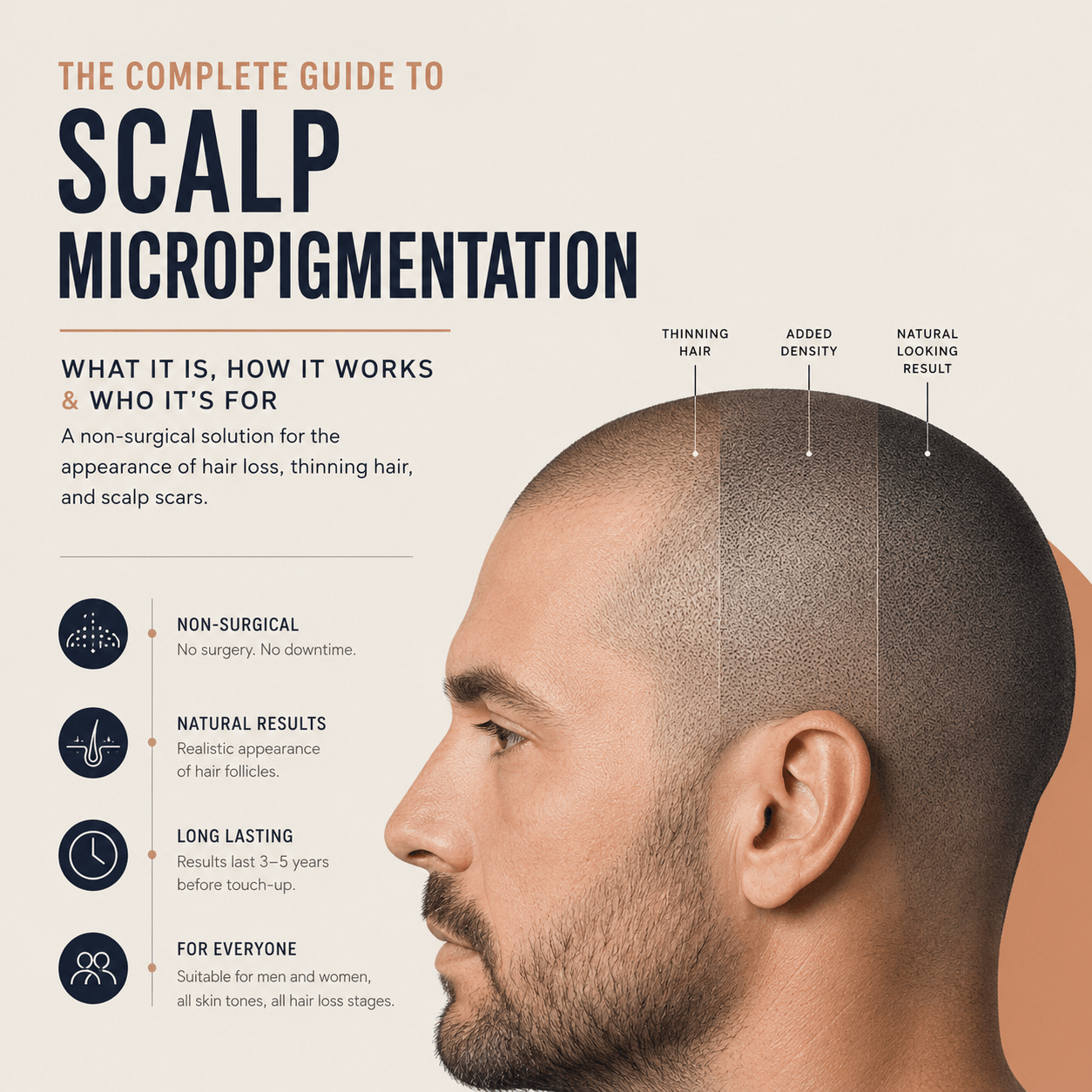
Scalp Micropigmentation: What It Is, How It Works & Who It's For
Scalp micropigmentation (SMP) is a non-surgical cosmetic procedure that uses a PMU machine to implant pigment into the scalp, replicating the appearance of hair follicles. It is used to treat hair ...
Brow PMU
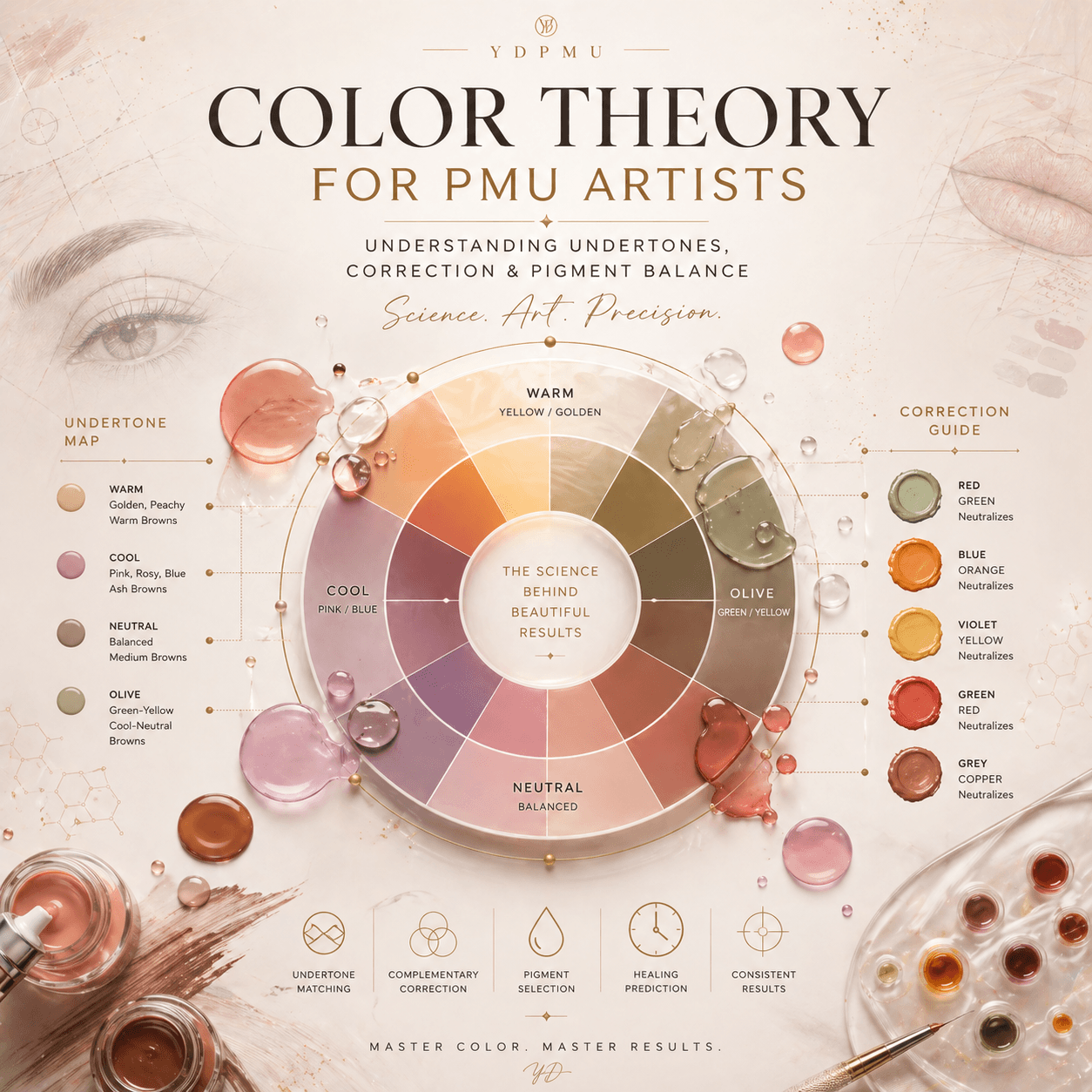
Color Theory for PMU Artists: The Complete Guide
Color theory in PMU is built on three principles: the color wheel, complementary colors, and skin undertone. Warm undertones suit golden and warm brown pigments; cool undertones suit ash and cool b...
Brow PMU
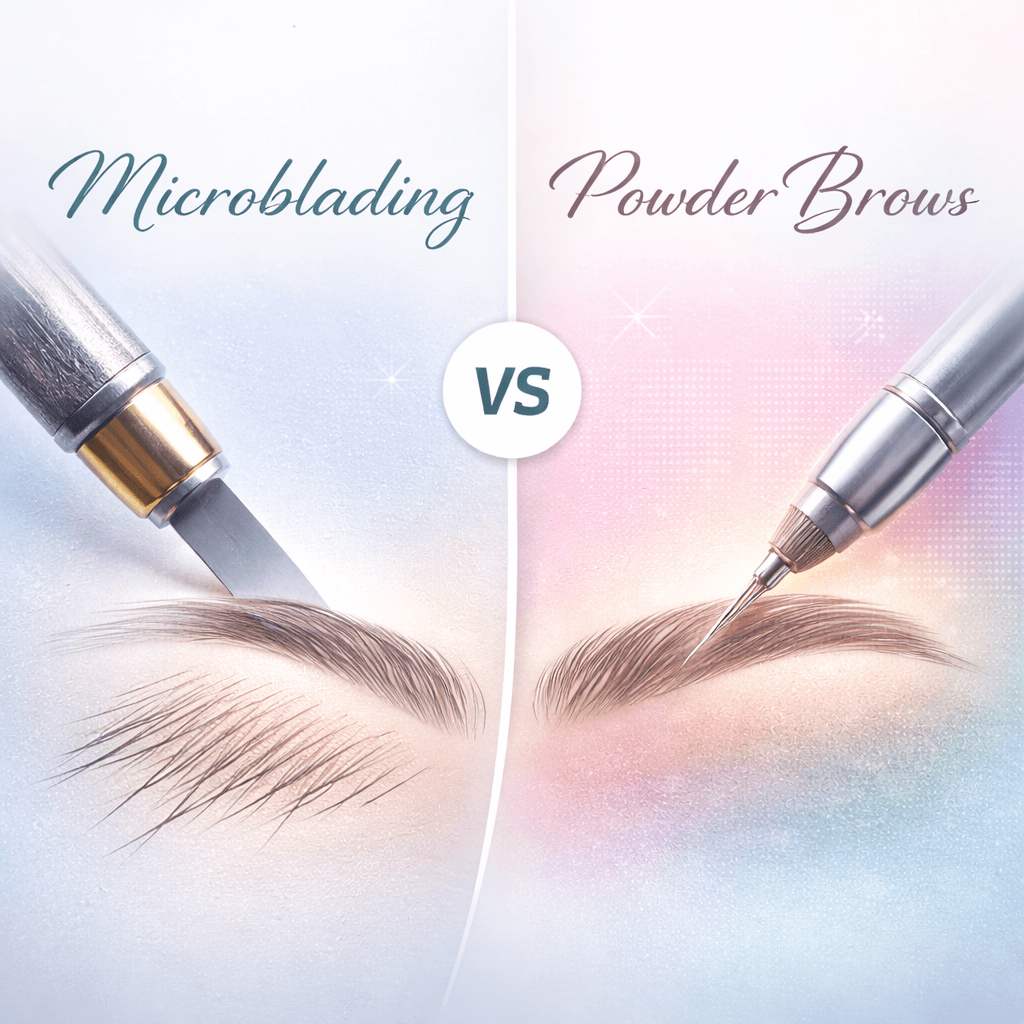
Microblading vs Powder Brows: Which Is Right for You?
Microblading uses a manual blade to create fine, realistic hair strokes — best for normal to dry skin with sparse brows. Powder brows use a PMU machine to create a soft, shaded gradient — best for ...
Color Theory
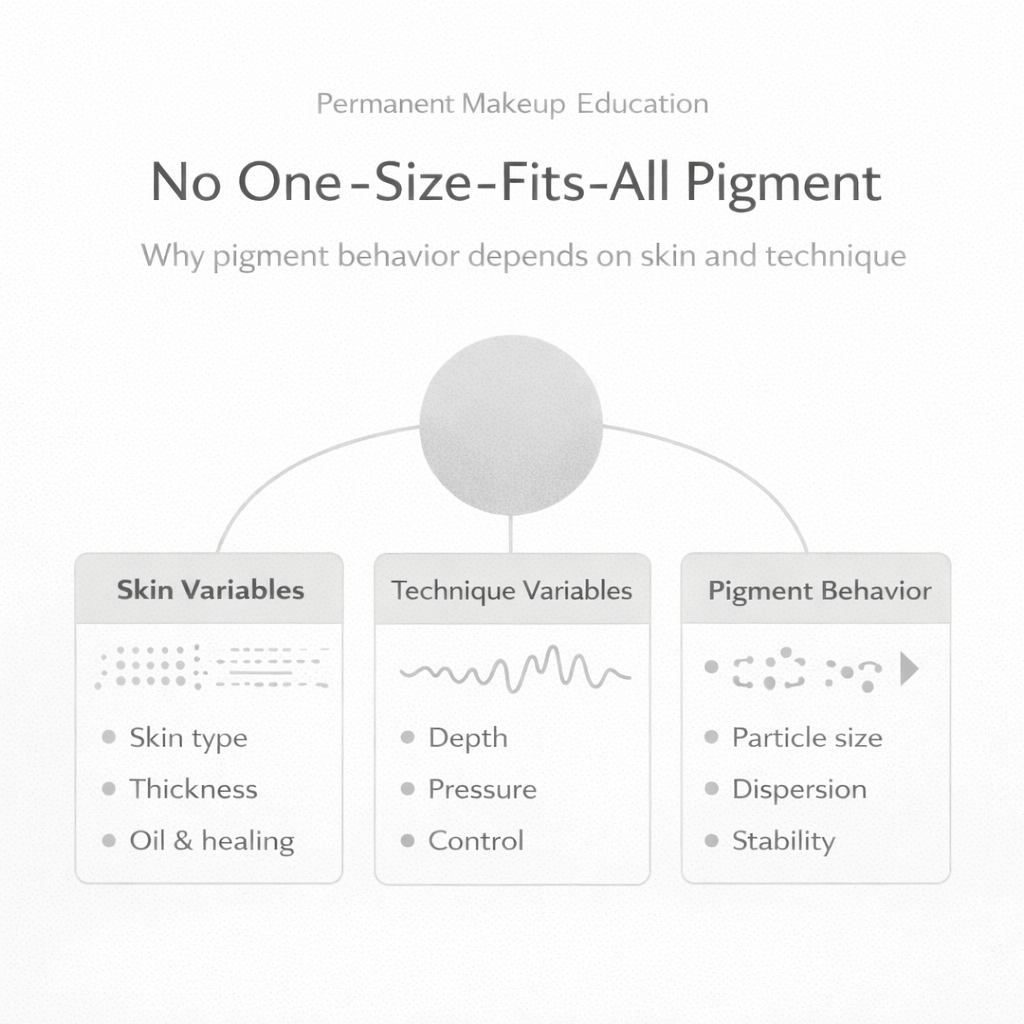
Why There Is No One-Size-Fits-All Pigment in Permanent Makeup
There is no universal pigment in permanent makeup because skin biology, implantation technique, and pigment behaviour all interact differently for every client. Learn why professional pigment selec...
Color Theory
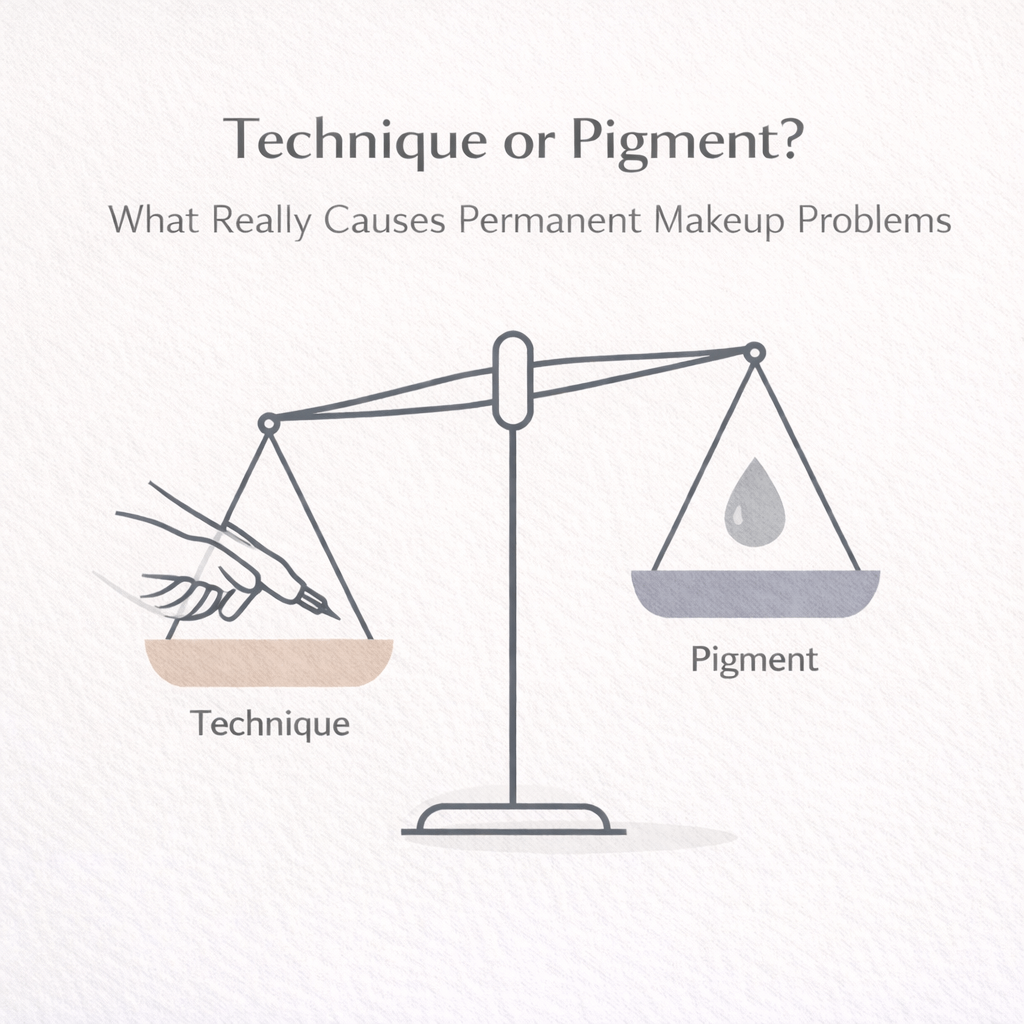
Technique or Pigment: What Truly Causes Permanent Makeup Problems?
Most permanent makeup problems are not caused by technique or pigment alone — they result from a mismatch between the two. Learn how technique, pigment, and skin biology interact to determine PMU o...
Color Retention
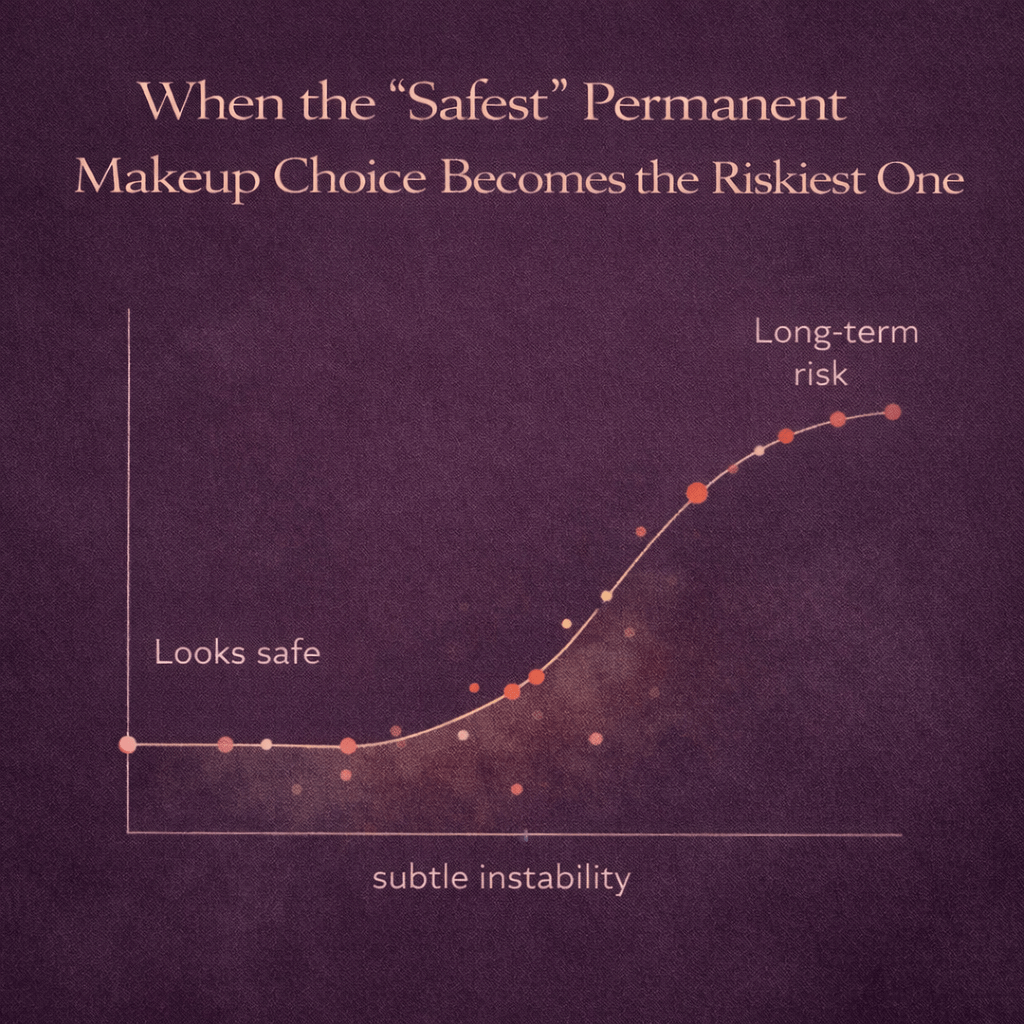
When the “Safest” Permanent Makeup Choice Becomes the Riskiest One
What looks safe in permanent makeup isn’t always low risk. Learn why strong-hold pigments, high intensity, and overconfidence in permanence can create the highest long-term correction challenges.