BLOG
Color Theory
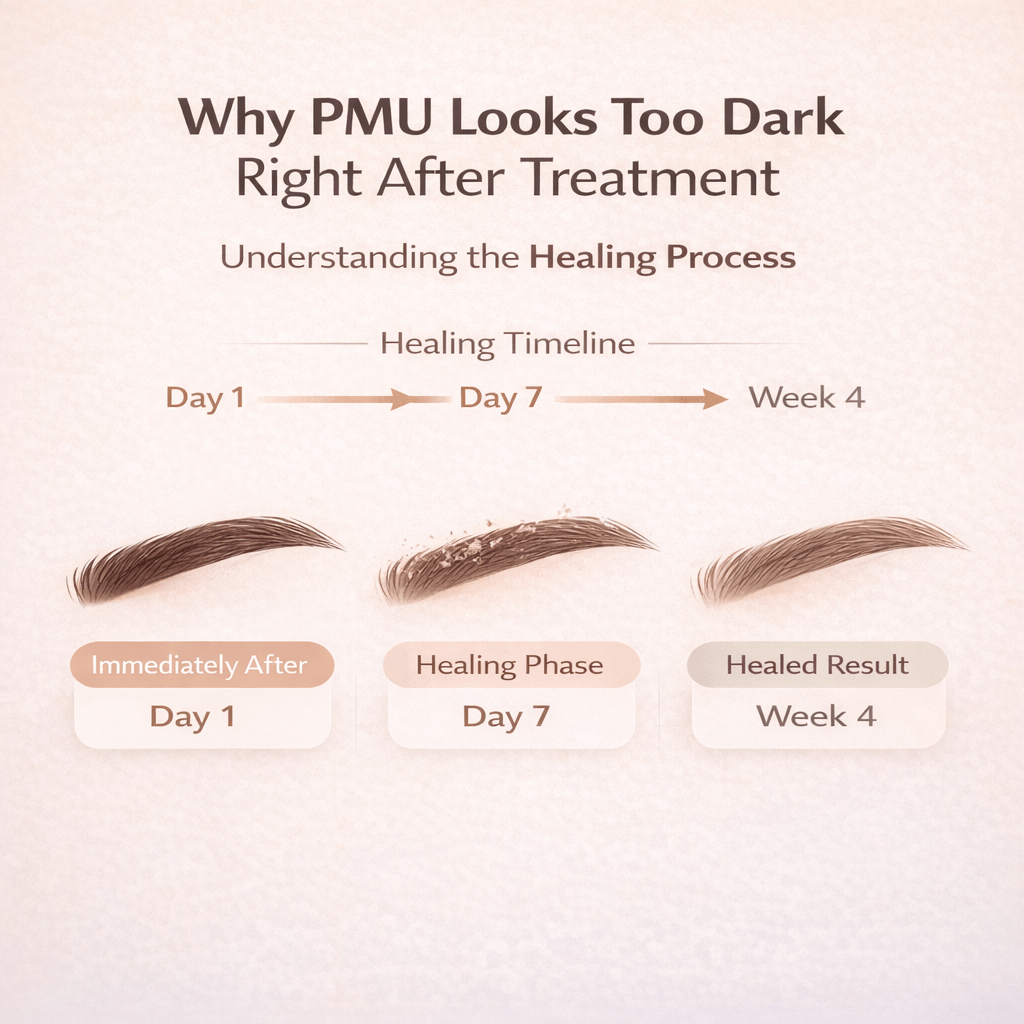
Why Does Permanent Makeup Look Too Dark Immediately After Treatment?
Permanent makeup looks darker immediately after treatment due to concentrated pigment, skin inflammation, and the healing layer. Learn why this is normal and when the final colour stabilises.
Healing Process
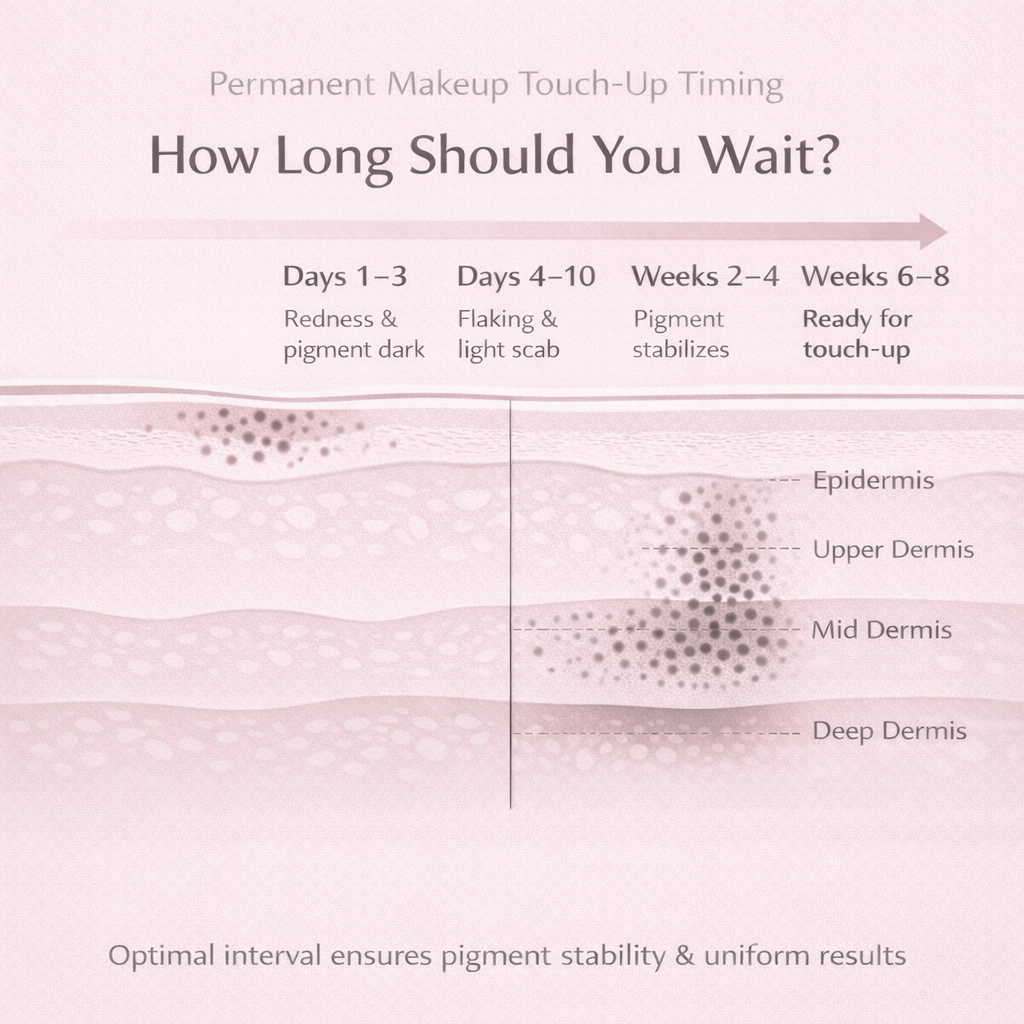
How Long Should You Wait Before Permanent Makeup Touch-Up?
The ideal waiting period before a permanent makeup touch-up is 6–8 weeks after the initial procedure. Learn how healing, skin type, and treatment area affect touch-up timing for the best long-term ...
Brow PMU
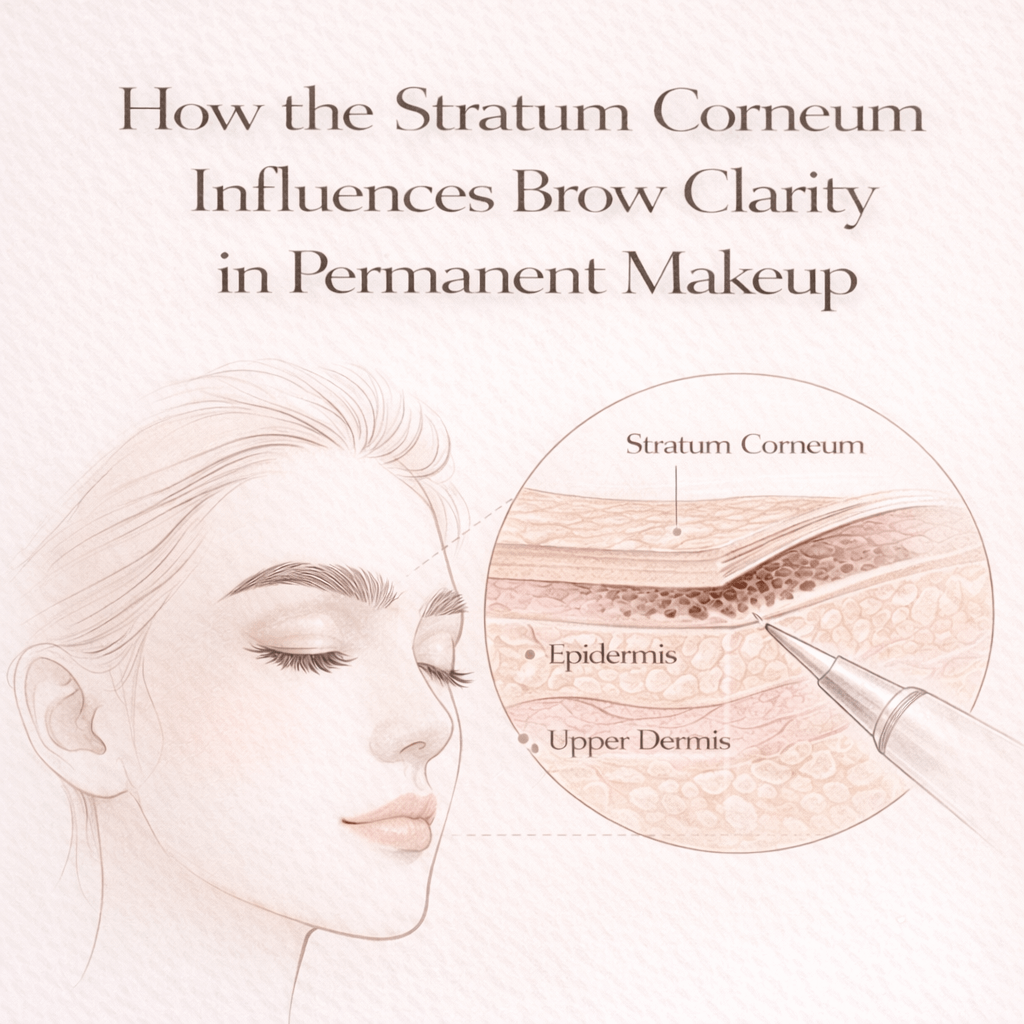
How the Stratum Corneum Influences Brow Clarity in Permanent Makeup
The stratum corneum — the outermost skin layer — plays a decisive role in brow clarity, pigment retention, and line sharpness in permanent makeup. Learn how skin structure affects your PMU results.
Color Retention
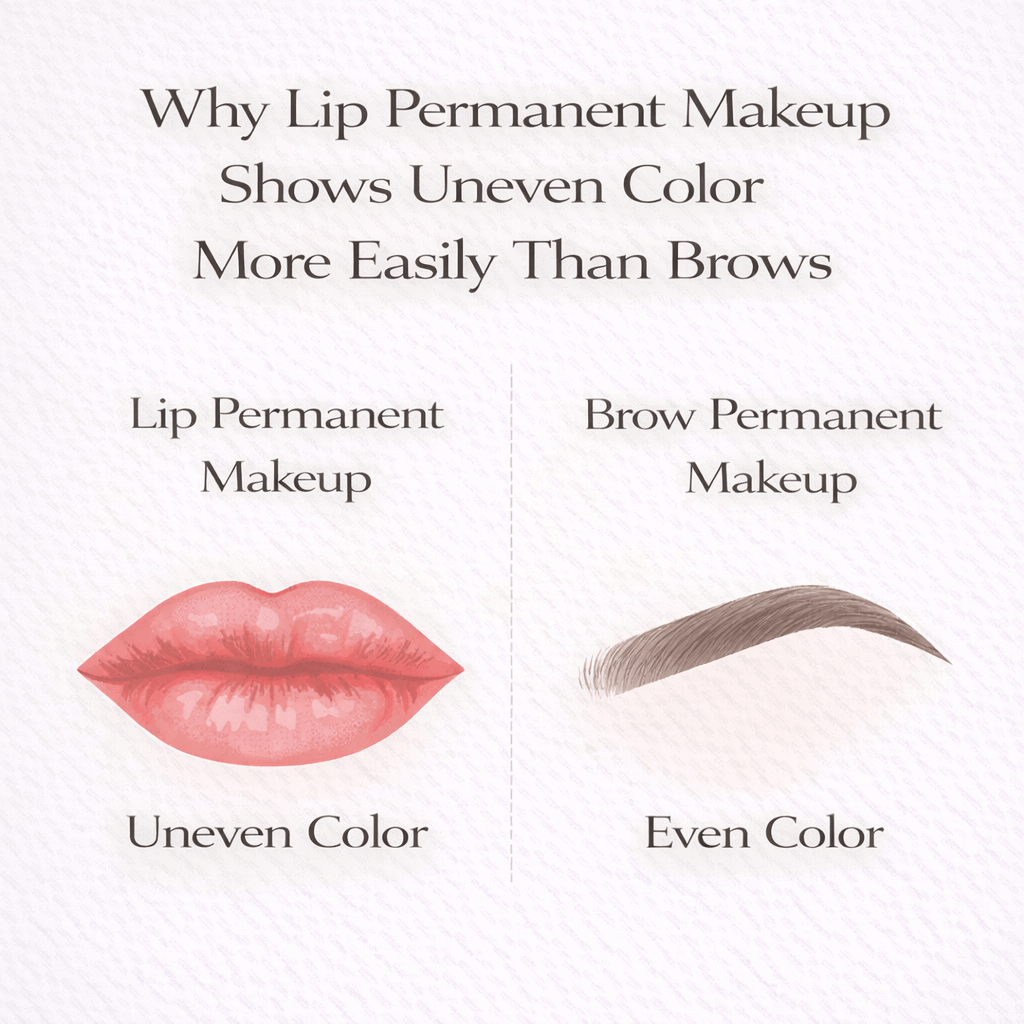
Why Lip Permanent Makeup Shows Uneven Color More Easily Than Brows
Uneven color in lip permanent makeup is more common than in brows due to thinner skin, constant movement, and more sensitive pigment behavior. Learn the three key reasons and how to manage client e...
Guide
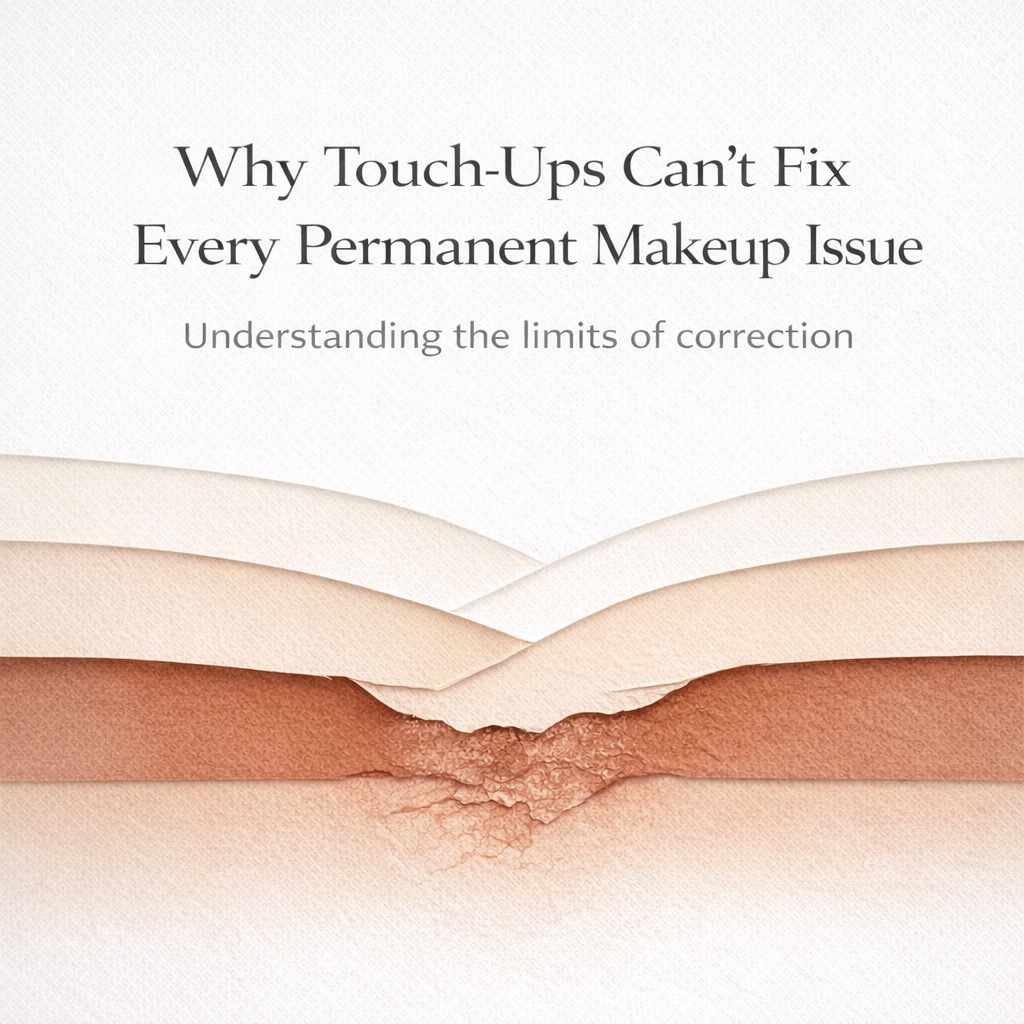
Why Touch-Ups Can’t Fix Every Permanent Makeup Issue — And What Truly Matters Instead
Touch-ups are a refinement tool, not a repair tool. Learn which permanent makeup issues can be adjusted over time — and which ones involving skin integrity cannot be reversed.
Color Retention
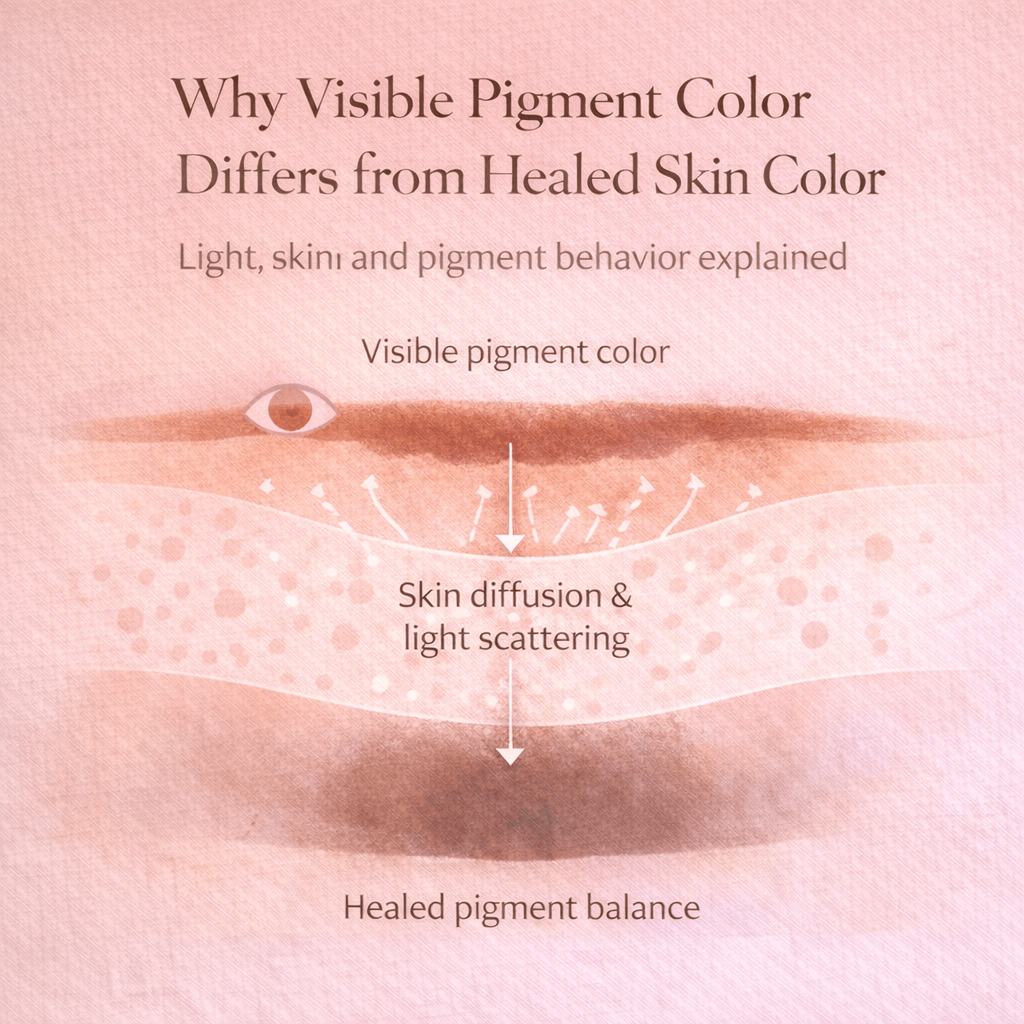
Why Permanent Makeup Pigment Looks Different After Healing - Understanding Skin Optics, Healing Response, and Pigment Behavior
Fresh PMU pigment often looks darker, warmer, and more saturated than healed results. Learn why skin inflammation, optical depth, and pigment structure — not pigment failure — cause this difference.
Brow PMU
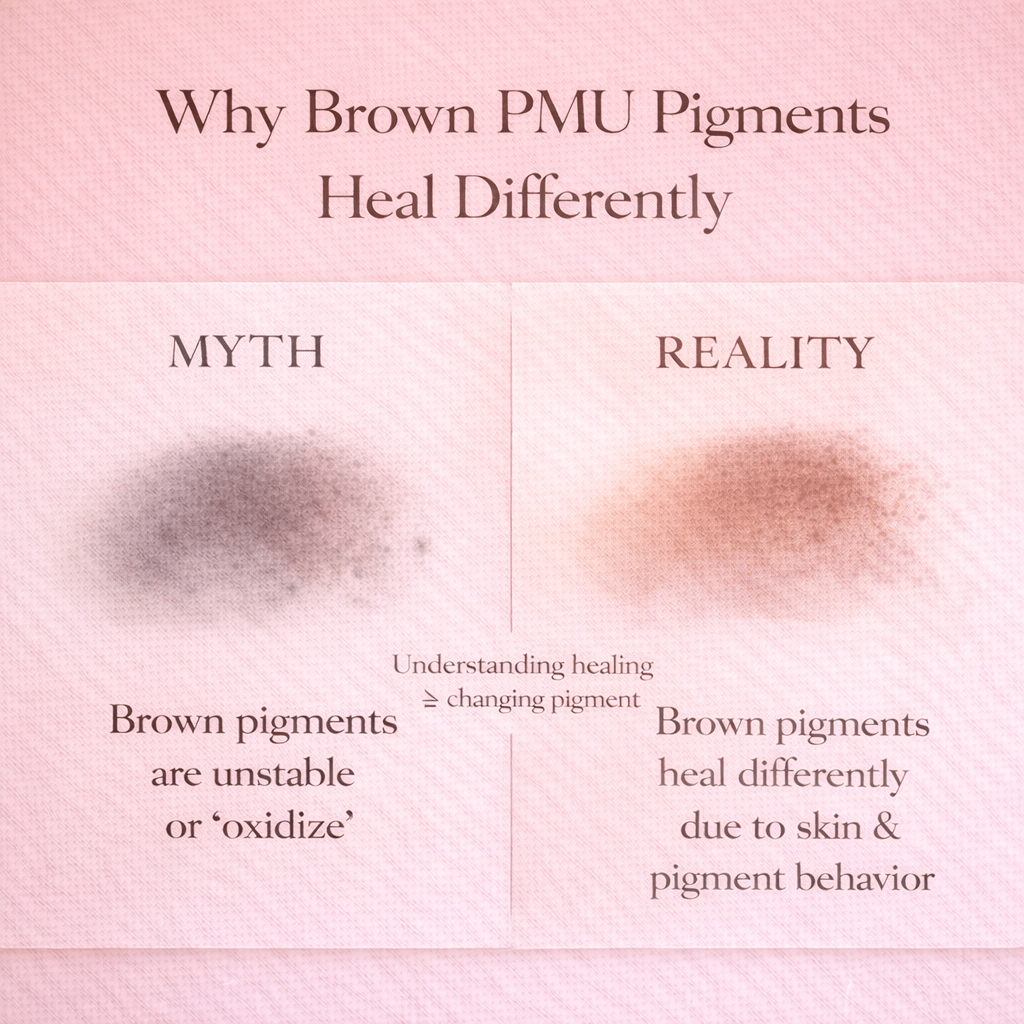
Why Brown Permanent Makeup Pigments Heal Differently Than Expected
Brown PMU pigments often heal cooler, lighter, or more muted than expected. Learn how pigment composition, skin optics, and implantation depth — not technique failure — explain this difference.
Brow PMU
Why Ombre Brows Rely on Pigment Quality More Than Technique Alone
Ombre brows are not forgiving — pigment quality determines whether gradients heal smooth and airy or patchy and uneven. Learn why pigment behavior matters more than technique alone in ombre brow work.
Beginner PMU
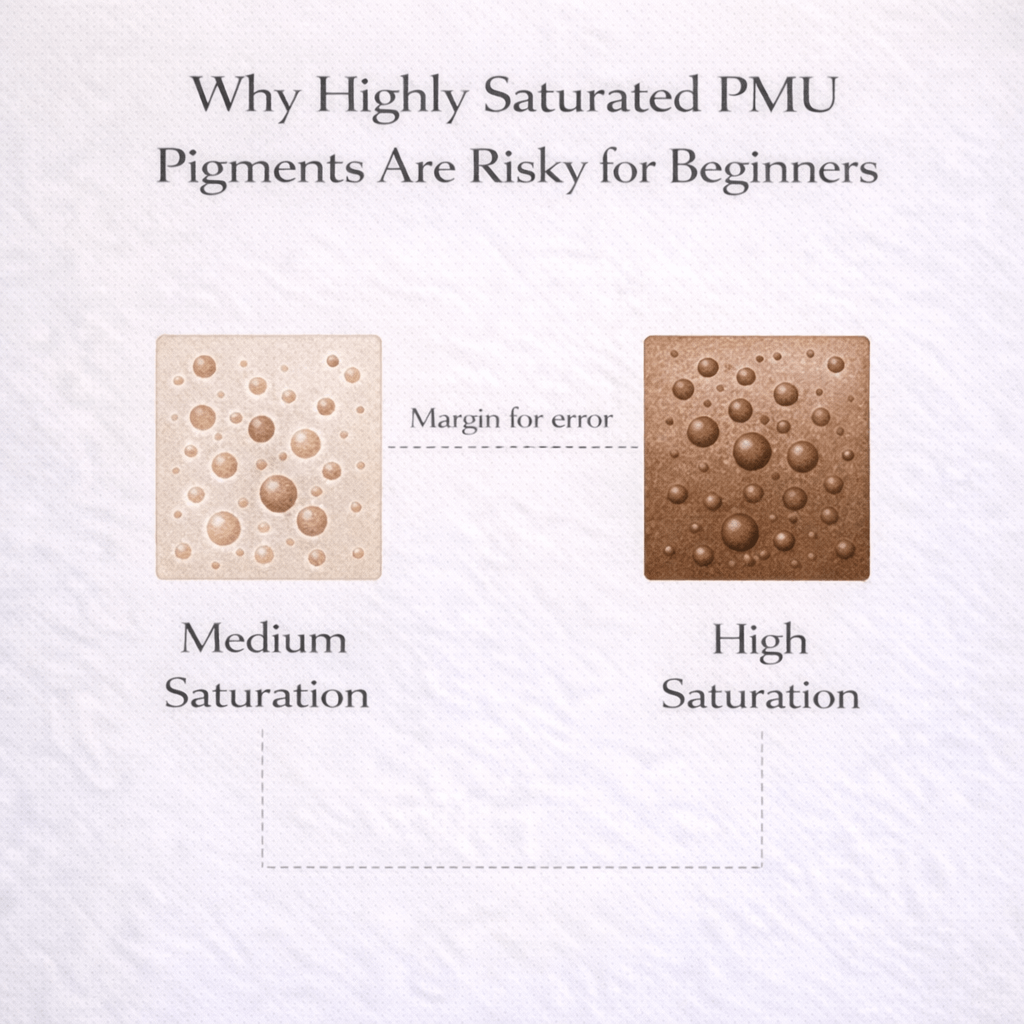
Why Highly Saturated Permanent Makeup Pigments Are Risky for Beginners
Highly saturated PMU pigments are advanced tools — not beginner-friendly ones. Learn why high color load increases overworking risk, amplifies depth errors, and causes uneven healing for new artists.