BLOG

Brow PMU
What Is the Tyndall Effect? Why PMU Can Turn Blue or Grey
The Tyndall effect is an optical phenomenon where light scatters off small particles suspended in a medium, making them appear blue or grey when viewed from the side. In PMU, it occurs when pigment...
Allergic Reaction
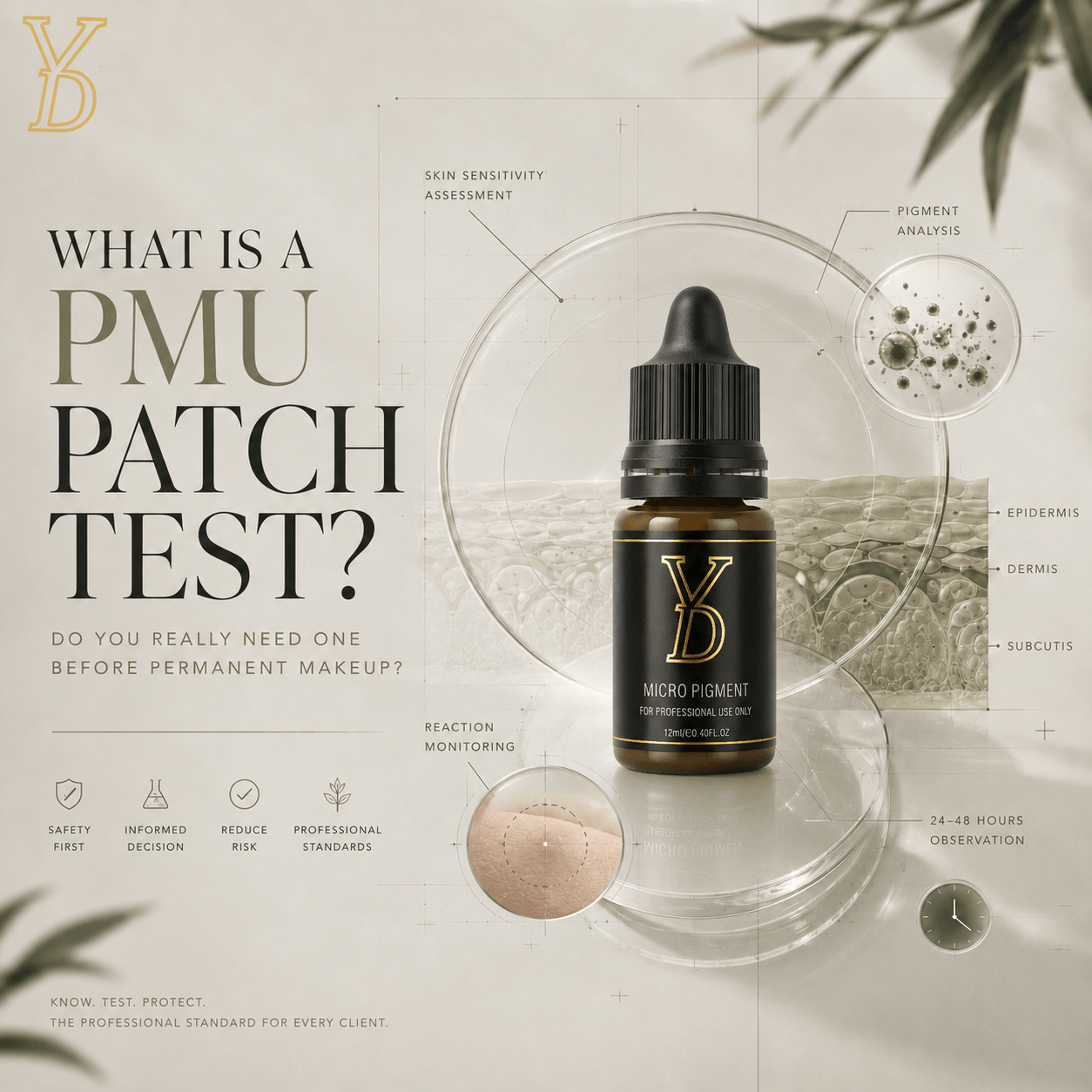
What Is a PMU Patch Test and Do You Really Need One?
A PMU patch test involves applying a small amount of pigment to the skin and monitoring for an allergic reaction over 24–48 hours before a full procedure. Patch tests are not universally required f...
Aftercare
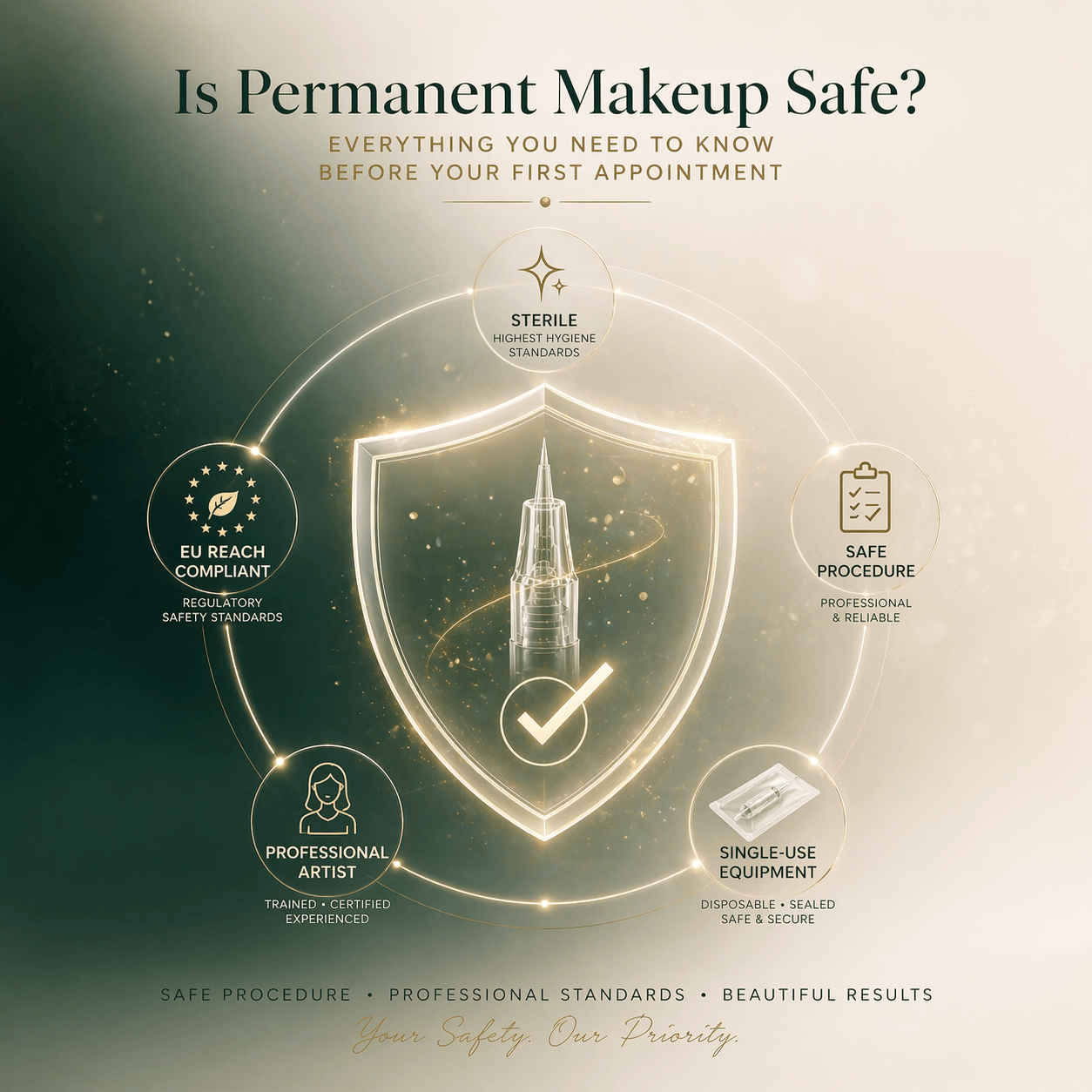
Is Permanent Makeup Safe? Everything You Need to Know Before Your First Appointment
Permanent makeup is safe when performed by a qualified artist using sterile, single-use equipment and professional-grade pigments that meet regulatory standards such as EU REACH. The most common ri...
Guide
Why Touch-Ups Can’t Fix Every Permanent Makeup Issue — And What Truly Matters Instead
Touch-ups are a refinement tool, not a repair tool. Learn which permanent makeup issues can be adjusted over time — and which ones involving skin integrity cannot be reversed.
Color Correction
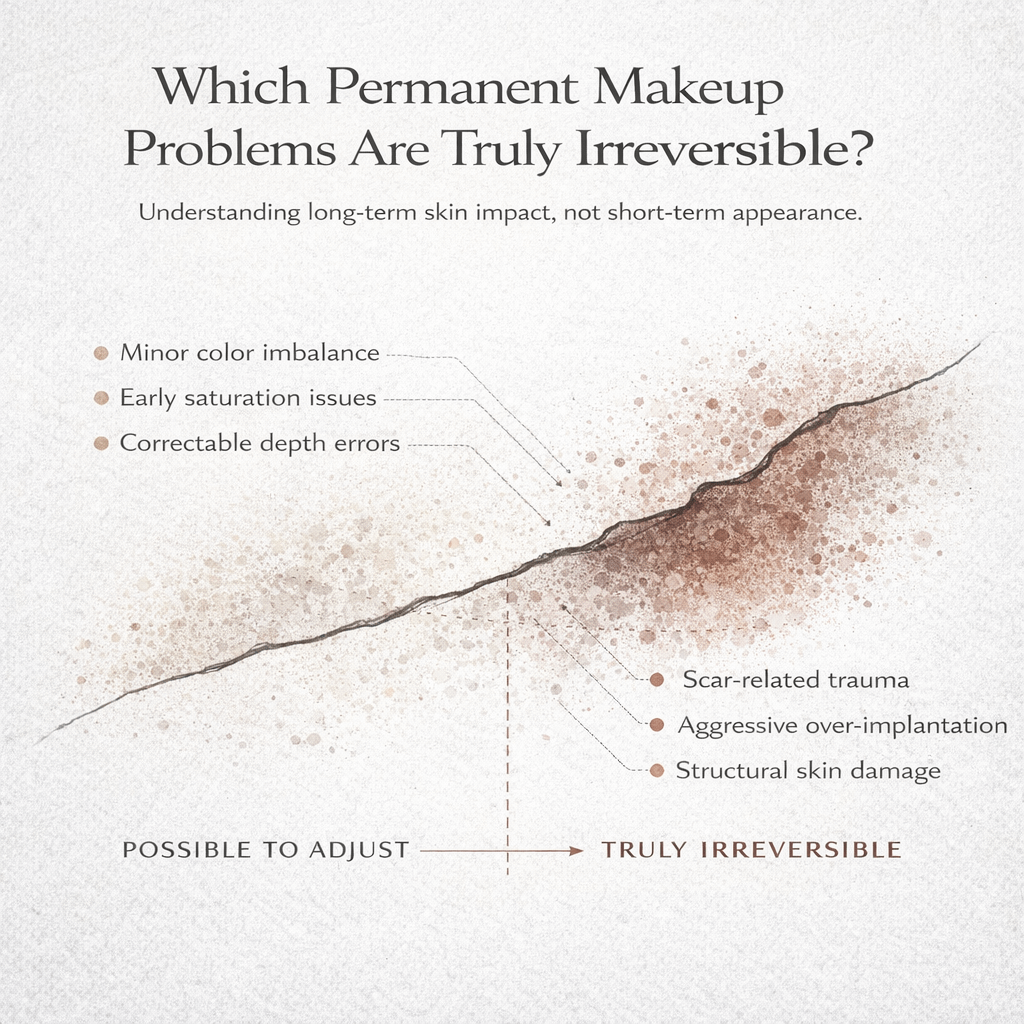
Which Permanent Makeup Issues Are Truly Irreversible?
Not all permanent makeup problems are irreversible. Learn which issues — like skin scarring and chronic trauma — truly limit future options, and which ones like color shifts can still be corrected.
Color Retention
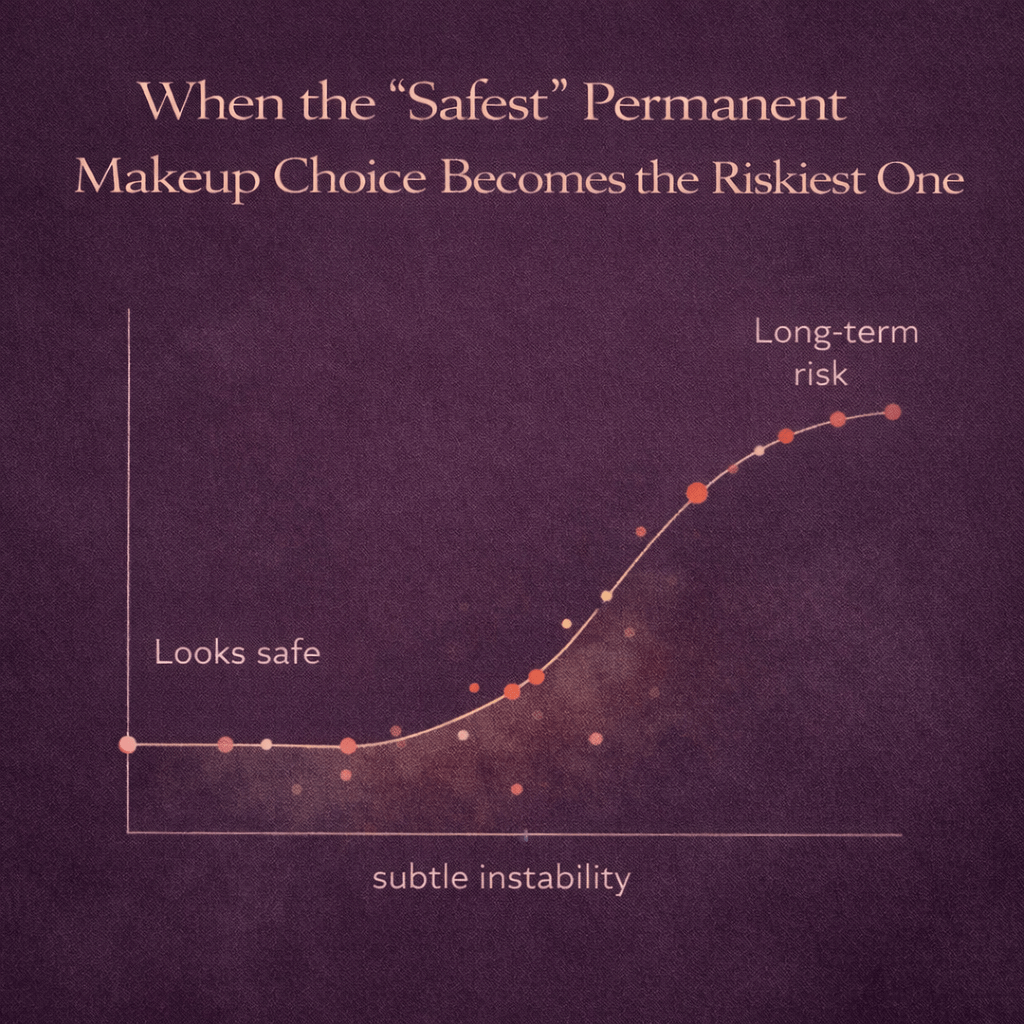
When the “Safest” Permanent Makeup Choice Becomes the Riskiest One
What looks safe in permanent makeup isn’t always low risk. Learn why strong-hold pigments, high intensity, and overconfidence in permanence can create the highest long-term correction challenges.
Color Correction
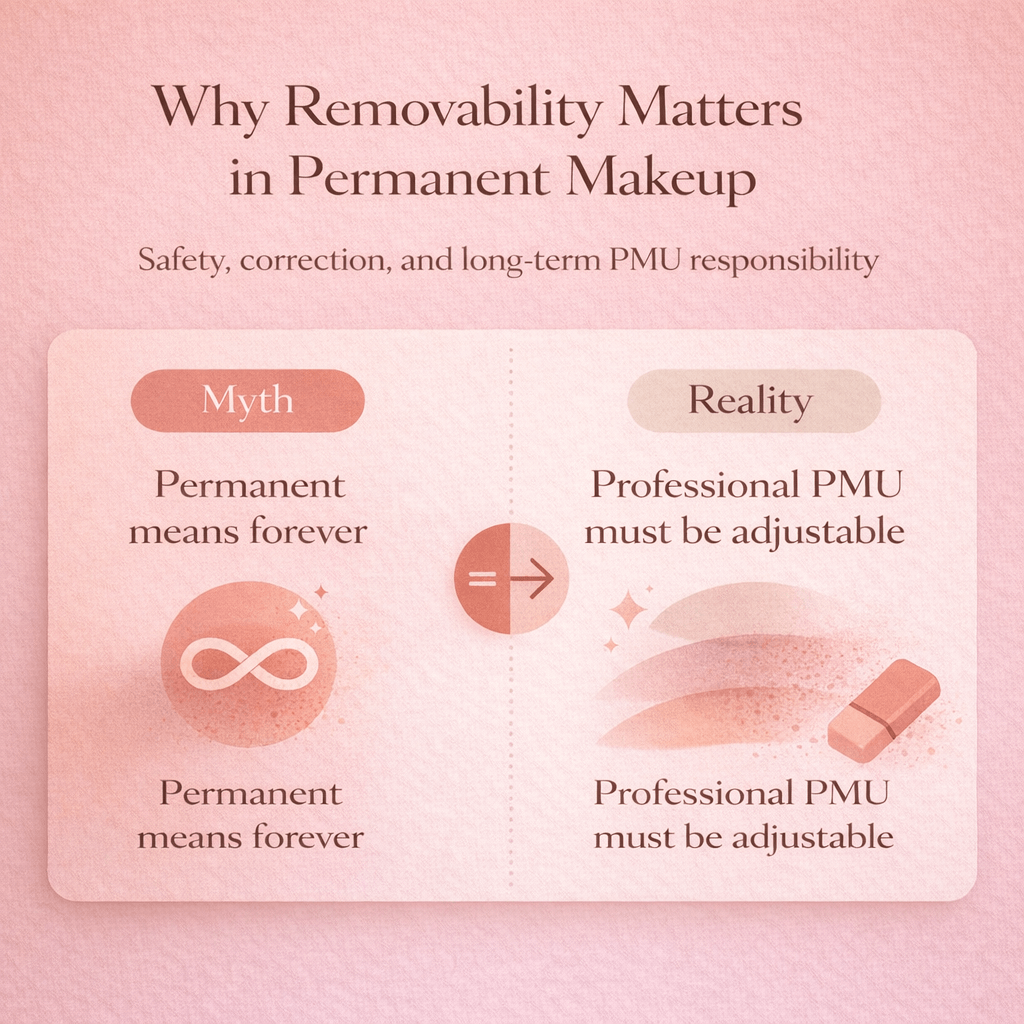
Why Removability Matters in Permanent Makeup: What Artists and Clients Should Know
Removability is not a flaw in permanent makeup — it’s a safety feature. Learn why pigments that can be adjusted, corrected, or removed protect clients long-term and reflect responsible professional...
Beginner PMU
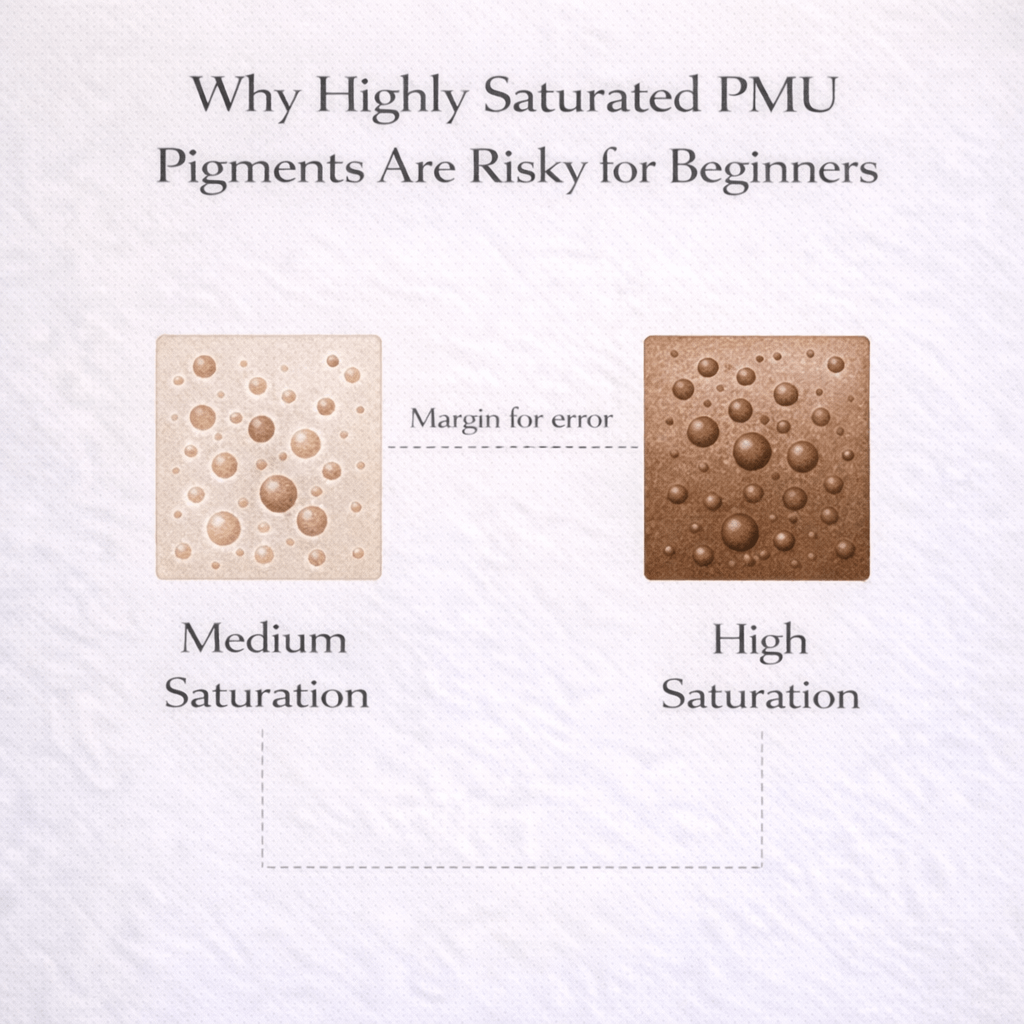
Why Highly Saturated Permanent Makeup Pigments Are Risky for Beginners
Highly saturated PMU pigments are advanced tools — not beginner-friendly ones. Learn why high color load increases overworking risk, amplifies depth errors, and causes uneven healing for new artists.
Client Consultation
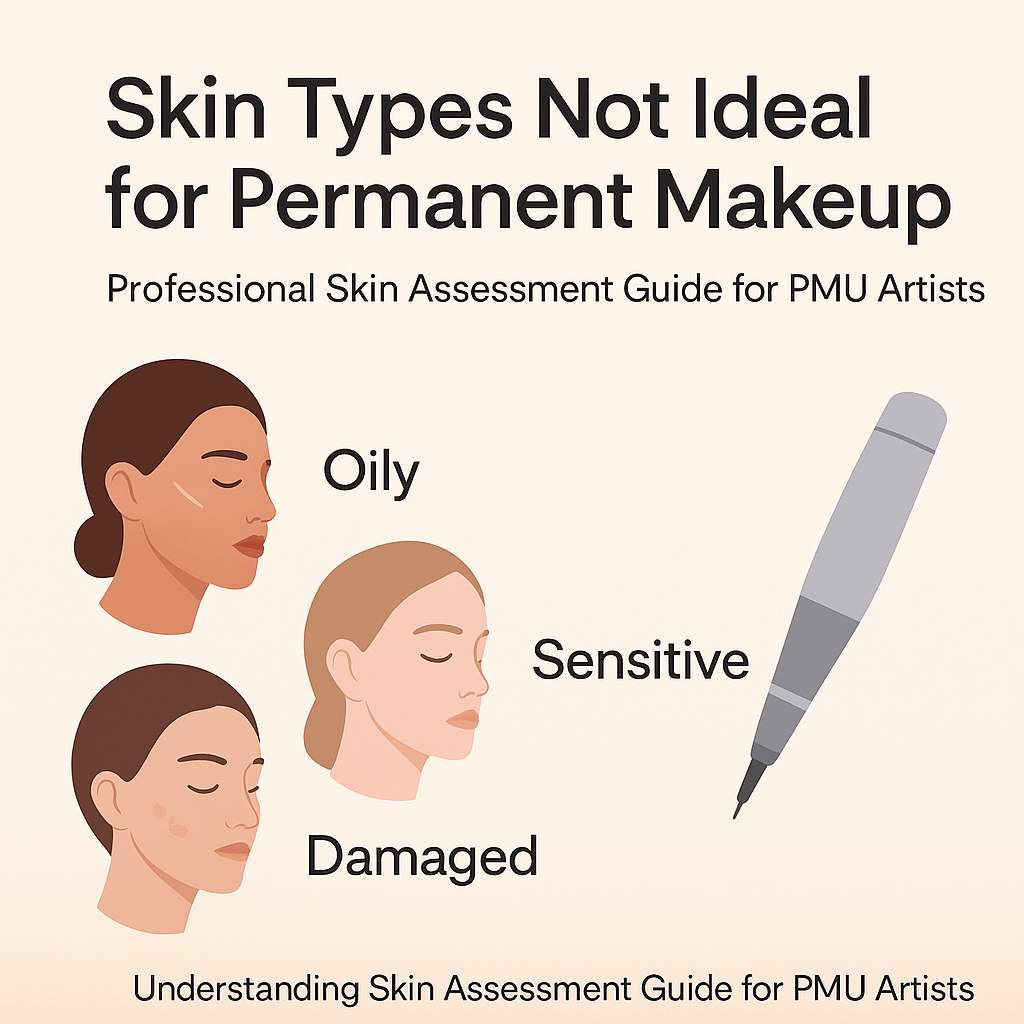
Skin Types That Are Not Ideal for Permanent Makeup: A Professional Guide for Permanent Makeup Artists
Not all skin types are ideal for permanent makeup. Extremely oily skin reduces retention, thin or sensitive skin increases trauma risk, and active acne or compromised skin barriers create infection...