
Introduction
UV rays break down permanent makeup pigment molecules, causing premature fading and color shifting. The face — where most PMU is applied — is one of the most sun-exposed areas of the body. Protecting permanent makeup from sun damage requires broad-spectrum SPF 30+ after healing, physical barriers during peak hours, and avoiding tanning beds. Daily sun protection is the single most effective habit for extending PMU longevity.
Getting permanent makeup — whether for brows, lips, or eyeliner — is a smart investment in your look. But one of the most common issues clients face is premature fading or color shifting. The culprit? Sunlight.
UV rays don't just impact your skin — they degrade the pigment used in permanent makeup, leading to less vibrant results over time. In this guide, we'll explore why sun exposure fades permanent makeup, what you can do to protect your investment, and long-term habits to keep your look fresh.
| UV Risk Factor | Effect on PMU | Protection Method |
|---|---|---|
| UVA / UVB rays | Break down pigment molecules, accelerate fading | Broad-spectrum SPF 30+ daily |
| Peak sun hours (10am–4pm) | Highest UV intensity, fastest pigment degradation | Physical barriers — hats, shade |
| Tanning beds | Intensified UV fades and distorts color faster | Avoid completely |
| Healing period (first 2 weeks) | Skin most vulnerable, pigment not yet settled | No sun exposure during healing |
| Harsh skincare (AHA/retinol) | Accelerates cell turnover, pushes pigment out | Avoid on treated areas |
1. Why Sun Exposure Causes Fading
When you receive permanent makeup, pigment is deposited into the upper dermal layer of your skin. While the technique is different from traditional tattoos, many of the same vulnerabilities apply.
- UV rays break down pigment molecules. The body's immune system then clears out the broken-down particles — speeding up fading.
- The face is especially vulnerable. Permanent makeup areas — brows, lips, eyeliner — sit in zones of frequent sun exposure. Unprotected exposure will almost certainly result in dramatic fading of the pigmentation over time.
- Color shifting: Over time, warm tones can turn ashy or faded, especially when pigments designed for brows or lips are exposed to strong UVA/UVB.
Sun exposure is not just a cosmetic inconvenience — it genuinely impacts how long and how well your permanent makeup holds.
How Long Does Permanent Makeup Really Last? A Complete Longevity Guide

2. How to Protect Your Permanent Makeup From Sun Damage
Once you understand the cause, here are actionable steps to protect your permanent makeup investment:
- Use broad-spectrum sunscreen: After the treated area has healed, apply a mineral sunscreen with zinc oxide or titanium dioxide at SPF 30 or higher to all treated zones daily.
- Physical barriers: Wear wide-brim hats and UV-blocking sunglasses. Avoid direct sun exposure during peak hours (10am–4pm) to reduce UV hits on treated areas.
- Avoid tanning beds and intense UV exposure: Tanning devices intensify UV exposure and accelerate pigment breakdown — fading and distorting colors much faster than natural sun.
- Follow aftercare instructions: In the initial healing period (first 2 weeks), your skin is especially vulnerable. Protecting the treated area from sun exposure during this time is critical for color retention.
Dry vs. Wet Healing After Microblading: Which Method Delivers Better Results?

3. Long-Term Habits to Maintain Vibrant Results
Even if you protect the treated area after healing, maintaining vibrant results over years requires ongoing habits:
- Daily sun protection: Even once fully healed, pigment is still subject to UV wear. Apply broad-spectrum sunscreen to treated areas every day — including overcast days.
- Avoid harsh skin treatments around treated areas: Exfoliants, chemical peels, laser treatments, retinoids, and other aggressive skincare accelerate pigment loss or color shifting.
- Schedule touch-ups: Fading is natural over time, especially with sun exposure. Even well-protected permanent makeup may require refreshers every 1–3 years depending on lifestyle, pigment quality, and UV exposure.
Why Touch-Ups Can't Fix Every Permanent Makeup Issue
Why Do Permanent Makeup Brows Turn Blue or Grey Over Time?
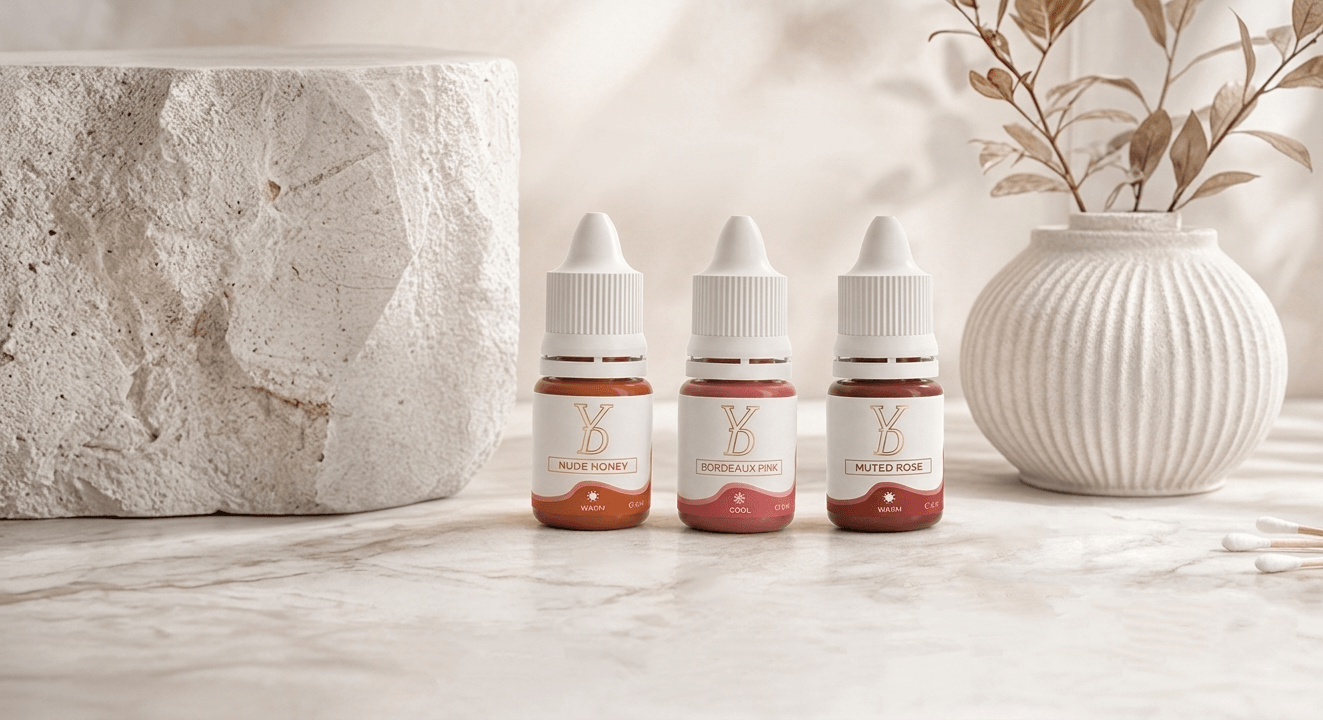
YDPMU NANO Organic Liquid Pigments — UV-stable formulas for long-lasting color retention

Conclusion
Sun exposure may seem harmless — but for permanent makeup it's one of the biggest threats to longevity and vibrancy. By understanding the effect of UV rays on pigments, actively using sun protection (sunscreen, hats, avoiding tanning beds), and adopting long-term protective habits, you can significantly extend how fresh and crisp your brows, lips, or liner appear.
Treat your permanent makeup as the investment it is — and protect it accordingly. With the right care, you'll keep your look polished, crisp, and beautiful for much longer.
How Long Does Lip Blush Really Last? A Complete Guide to Color Longevity & Aftercare
FAQ
Does sunlight really fade permanent makeup?
Yes. UV rays break down the pigment molecules deposited in the skin during permanent makeup procedures. The body's immune system then clears out the broken-down particles, accelerating fading. The face — where most permanent makeup is applied — is one of the most sun-exposed areas of the body, making UV protection essential for maintaining results.
What SPF should I use to protect permanent makeup?
Use a broad-spectrum sunscreen with SPF 30 or higher on all treated areas. Mineral sunscreens containing zinc oxide or titanium dioxide are preferred because they physically block UV rays rather than absorbing them chemically. Apply daily — including on overcast days — once the treated area has fully healed (typically after 4–6 weeks).
Can I go in the sun after getting permanent makeup?
During the healing period (first 2 weeks), sun exposure should be avoided entirely on treated areas. The skin is most vulnerable during this time and pigment has not yet fully settled. After healing, sun exposure is permitted but should be managed with daily SPF, physical barriers such as hats, and avoiding peak UV hours (10am–4pm).
Do tanning beds affect permanent makeup?
Yes, significantly. Tanning beds emit concentrated UVA and UVB radiation that fades and distorts permanent makeup pigment faster than natural sun exposure. Clients with permanent makeup should avoid tanning beds entirely to preserve color accuracy and longevity. Self-tanning products that do not involve UV exposure are a safer alternative.
How often do I need touch-ups if I spend a lot of time in the sun?
Clients with high sun exposure typically need touch-ups more frequently — every 12–18 months rather than the standard 18–24 months. Consistent daily SPF use can extend the interval between touch-ups significantly. Discussing your lifestyle and sun exposure habits with your artist during consultation helps set realistic expectations for maintenance frequency.