
How Long Does Permanent Makeup Last? What Clients Should Expect
Permanent makeup lasts between 1 and 5 years depending on the procedure, skin type, lifestyle, and aftercare. Brows typically last 12–24 months, lip blush 18–36 months, and eyeliner 2–5 years. No permanent makeup result lasts forever — regular touch-ups are part of maintaining long-term results.
Permanent makeup has become one of the most reliable ways to enhance brows, lips, and eyeliner with long-lasting results. But even though it's called "permanent," permanent makeup does not last forever. The longevity varies from person to person, depending on skin type, lifestyle, pigments, and aftercare.
This guide explains how long permanent makeup truly lasts — and what clients can expect before booking their treatment.

1. Average Longevity of Each Permanent Makeup Procedure
Different procedures fade at different speeds because the pigment depth, technique, and skin interaction vary.
| Procedure | Average Longevity | Key Factor |
|---|---|---|
| Microblading | 12–18 months | Surface-level strokes fade faster |
| Powder / Ombre Brows | 18–24 months | Even shading retains longer |
| Combo Brows | 12–24 months | Depends on stroke vs shading ratio |
| Lip Blush / Lip Tint | 18–36 months | Vascularity supports retention |
| Permanent Eyeliner | 2–5 years | Less sun and exfoliation exposure |
General rule: The more delicate or oily the skin area, the quicker the pigment fades.
Why Permanent Makeup Pigment Looks Different After Healing

2. Factors That Affect Permanent Makeup Longevity
Even with the same technique, two clients can experience completely different fading speeds.
Skin Type
Oily skin causes faster fading and blurring of strokes. Dry or normal skin provides the best pigment retention. Mature or thin skin may retain pigment but fades softly over time.
Lifestyle & Environment
Frequent sun exposure, sweating and gym routines, chemical exfoliants (AHA/BHA/retinol), and smoking or high-stress lifestyle all accelerate cellular turnover — which leads to quicker fading.
How UV Exposure and Skincare Impact PMU Longevity
Pigment Quality & Artist Technique
High-quality permanent makeup pigments fade true-to-tone, not grey or red. Proper depth at the epidermis–dermis junction helps pigment stay longer without migrating.
Why Experienced Permanent Makeup Artists Rely on Fewer Pigments
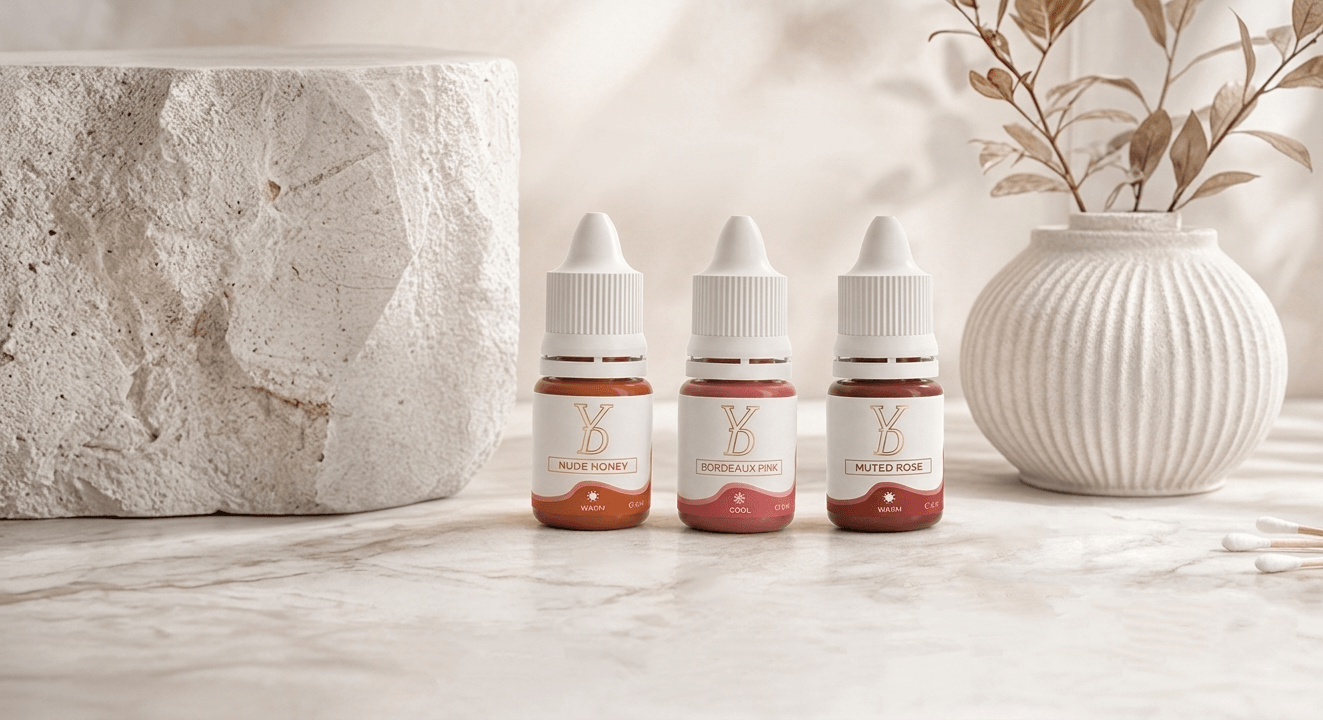
YDPMU NANO Organic Liquid Pigments — Stable color designed for predictable long-term retention

3. How to Maintain Permanent Makeup for the Longest Time
Clients can significantly extend their permanent makeup results with correct aftercare and long-term habits.
During Healing (First 7–14 Days)
- Avoid sweating, sauna, hot showers
- Keep the area clean and gently moisturized
- Do not pick scabs
Long-Term Care
- Apply SPF daily — UV exposure is the #1 cause of fast fading
- Avoid harsh exfoliants on permanent makeup areas
- Schedule touch-ups every 12–24 months for brows and 24–36 months for lips and eyeliner
A well-maintained result can stay beautiful for years with minimal color shifts.
Why Touch-Ups Can't Fix Every Permanent Makeup Issue

Final Summary
Permanent makeup can last anywhere from 1 to 5 years, depending on the procedure, skin type, lifestyle, and aftercare. Brows typically last 1–2 years, lips 2–3 years, and eyeliner up to 5 years.
By choosing a trained permanent makeup artist, using high-quality pigments, and following proper maintenance, clients can enjoy long-lasting natural enhancement.
7 Reasons Permanent Makeup Brows Fail — Common Mistakes That Affect Healed Results
FAQ
How long does permanent makeup last on average?
On average, permanent makeup lasts 1–5 years depending on the procedure. Microblading typically lasts 12–18 months, powder brows 18–24 months, lip blush 18–36 months, and permanent eyeliner 2–5 years. Individual results vary based on skin type, lifestyle, pigment quality, and aftercare.
Why does permanent makeup fade faster on some people?
Faster fading is most commonly caused by oily skin (which pushes pigment out more quickly), frequent sun exposure, use of chemical exfoliants like AHA/BHA or retinol, and high-sweat lifestyles. Pigment placed too shallow also fades faster. Skin type and lifestyle are the two biggest variables in PMU longevity.
Does permanent makeup completely disappear over time?
Most permanent makeup fades significantly over time but may not disappear completely. Residual pigment can remain in the skin for many years, especially with darker or denser applications. This is why choosing the right pigment and technique from the start matters — faded results are still visible and may affect future correction work.
How often do you need touch-ups for permanent makeup?
Most permanent makeup procedures require a touch-up at 6–8 weeks after the initial session. After that, maintenance touch-ups are typically recommended every 12–24 months for brows and every 24–36 months for lips and eyeliner, depending on how the individual's skin retains pigment.
What is the best way to make permanent makeup last longer?
The most effective ways to extend permanent makeup longevity are applying SPF daily to protect against UV fading, avoiding chemical exfoliants on treated areas, not picking scabs during healing, and scheduling regular maintenance touch-ups. Choosing high-quality pigments and an experienced artist also significantly impacts how long results last.