
Introduction
Permanent makeup can look completely natural when the right elements align: a skilled artist using appropriate technique and pigment, skin type and lifestyle taken into account, and realistic expectations with proper aftercare. Modern techniques like hair-stroke brows, soft liner, and lip blush deliver subtle, “woke up this way” enhancement — not heavy or obvious makeup.
Many people considering permanent makeup wonder: will it look natural? The good news is yes — when done well. Modern techniques, quality pigments, and skilled artists mean that today's permanent makeup can achieve a subtle, effortless appearance rather than something heavy or obvious.
In this guide, we'll explore the key factors that determine a natural-looking result, what to look for when choosing an artist, and how to ensure your permanent makeup enhances your features seamlessly.
| Factor | What Makes It Natural | What Makes It Look Heavy |
|---|---|---|
| Artist skill | Subtle blending, precise mapping | Uneven strokes, poor symmetry |
| Technique | Hair-stroke brows, soft liner, lip blush | Block color, over-saturation |
| Pigment selection | Matches skin tone and undertone | Too dark, wrong undertone |
| Saturation level | Light initial session, build gradually | Heavy first session |
| Skin type | Considered and technique adjusted | Ignored — same approach for all |
| Aftercare | Followed correctly, sun protected | Neglected, causing uneven fading |
1. The Right Artist, Technique & Pigment
A natural result starts with the artist's skill, the technique used, and the pigment quality. Skilled technicians know how to blend their artistic talents with precision to give you that “I woke up like this” look.
- Choose an artist experienced in subtle styles — hair-stroke brows, soft liner, lip blush rather than block colors.
- Pigments should match your skin tone and undertone closely. The wrong undertone creates an artificial appearance even at low saturation.
- Technique matters: less is more at first. Many artists recommend a lighter initial procedure with touch-ups later to achieve gradual enhancement rather than heavy upfront application.
By prioritizing these elements, you set the foundation for a result that looks like an enhanced version of you — not makeup that's obvious.
How to Choose the Most Flattering Brow Shape for Your Face Shape & Features
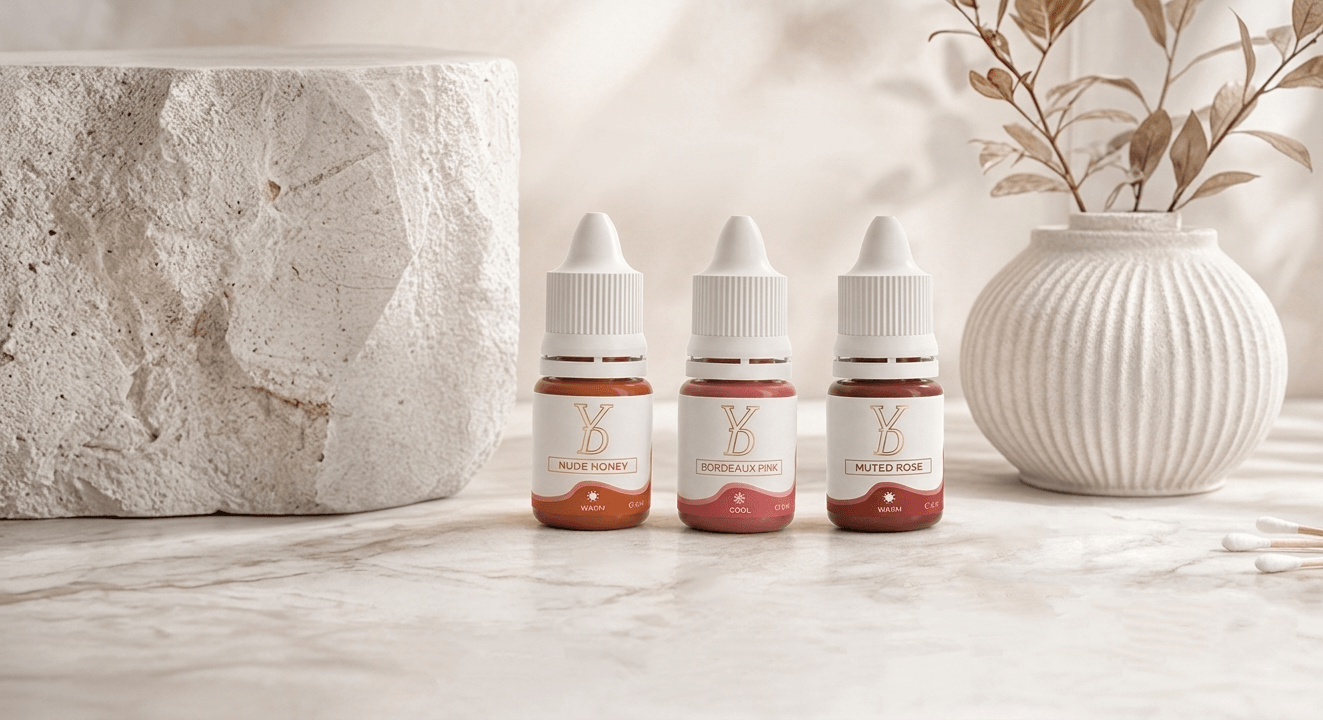
YDPMU NANO Organic Liquid Pigments — Fine particle formulas for soft, natural healed results

2. Your Skin, Lifestyle & Aftercare Matter
Even with a great artist and the right technique, your skin and aftercare behavior play a big role in how natural your permanent makeup will appear and last.
- Skin type: Very oily, thin, or textured skin may absorb or fade pigment differently, affecting crispness and longevity.
- Lifestyle: Sun exposure, skincare ingredients (strong acids or retinoids), workouts, and sweat all influence how pigment settles and fades.
- Aftercare: Following your artist's instructions — keeping the area clean, avoiding heavy makeup while healing, protecting from sun — helps ensure a smoother healing period and more natural fade.
When you and your artist collaborate on these details, the result tends to look more seamless and truly your own.
Dry vs. Wet Healing After Microblading: Which Method Delivers Better Results?
How Oily Skin Affects PMU Pigment Retention

3. Realistic Expectations & Maintenance
A final key to a natural result is managing expectations and understanding maintenance.
- Natural doesn't mean invisible. It means subtle enhancement — a more polished version of your features that doesn't look obviously made-up.
- Fading is normal. Even the best permanent makeup will soften over time and may require touch-ups to maintain optimal appearance.
- Consultation is essential. A good technician will discuss your ideal look, face shape, and lifestyle before designing your procedure — rather than applying the same approach to every client.
By going in with realistic expectations and a maintenance mindset, you're more likely to be satisfied with the natural-looking outcome.
How Long Does Permanent Makeup Really Last? A Complete Longevity Guide

Conclusion
Permanent makeup can look natural — beautifully so — when the right elements align: a skilled artist using appropriate technique and pigment, your skin and lifestyle well-considered, and realistic expectations with proper aftercare.
The result isn't about making it obvious you had something done. It's about waking up feeling effortlessly polished and confident. Do your research, ask questions during consultation, and aim for enhancement that truly blends with you.
Technique or Pigment: What Truly Causes PMU Problems
FAQ
Can permanent makeup really look natural?
Yes. When performed by a skilled artist using appropriate technique and pigment matched to your skin tone and undertone, permanent makeup can look completely natural — subtle enough that others notice you look refreshed rather than made-up. Techniques like hair-stroke brows, soft powder shading, and lip blush are specifically designed to mimic natural features rather than replicate heavy cosmetics.
What permanent makeup techniques look the most natural?
The most natural-looking techniques are hair-stroke or combination brows (which mimic real brow hairs), soft powder or ombre brows (which create a diffused, shadow-like effect), lip blush (which adds a soft tint rather than a defined lip line), and lash-line enhancement (which adds subtle definition without a visible liner look). Block color or heavily saturated applications tend to look less natural.
How do I choose the right pigment color for a natural result?
The right pigment should closely match your natural hair color and skin undertone. Warm undertones suit warm-based pigments; cool undertones suit cooler, ashier tones. Going too dark or choosing the wrong undertone — even at low saturation — creates an artificial appearance. A thorough consultation with your artist, including a review of healed result photos, helps ensure the right color selection.
How long does natural-looking permanent makeup last?
Natural-looking permanent makeup typically lasts 1–3 years depending on the procedure, skin type, and aftercare. Lighter, more subtle applications may fade faster than heavily saturated ones. Regular touch-ups every 12–24 months maintain the soft, natural appearance without allowing the color to fade to an uneven or patchy state.
What aftercare helps permanent makeup heal naturally?
Following your artist's aftercare instructions is essential for a natural healed result. Key steps include keeping the area clean, avoiding heavy makeup during healing, not picking scabs, protecting the area from sun exposure, and staying hydrated. Proper aftercare prevents uneven fading, patchiness, and color shifts that can make healed results look less natural than intended.