
Introduction
True allergic reactions to permanent makeup pigments are uncommon but recognizable. Key signs include persistent itching beyond the healing window, red raised bumps, worsening swelling, and delayed hypersensitivity appearing weeks later. Normal healing involves temporary redness and swelling that improves within days. Understanding the difference helps artists and clients respond appropriately and avoid unnecessary concern.
Allergic reactions to permanent makeup (PMU) pigments are uncommon, but they can occur. Many clients mistake normal healing responses for allergies, leading to unnecessary worry. Understanding the real signs of allergic reactions — and knowing how to handle them safely — helps both artists and clients stay confident throughout the PMU process.
This guide explains what true pigment allergies look like, why they happen, and how to manage them effectively.
| Symptom | Normal Healing | Possible Allergic Reaction |
|---|---|---|
| Redness | Fades within 1–3 days | Persists or worsens after 3 days |
| Swelling | Reduces within 48 hours | Gets worse instead of better |
| Itching | Mild, brief during healing | Persistent, intense, ongoing |
| Bumps / rash | Not present | Raised bumps or rash-like patches |
| Oozing | Clear lymph fluid only | Unusual oozing or crusting |
| Timing | Improves within 1–2 weeks | May appear weeks or months later |
1. What an Allergic Reaction to PMU Really Looks Like
Not every redness or swelling is an allergy. True pigment allergies come with consistent, repeating symptoms that are not typical of normal healing.
Key indicators include persistent itching that continues beyond the usual healing window, red raised bumps or rash-like patches around the pigmented area, swelling that gets worse instead of better, oozing or crusting that looks unusual, and delayed hypersensitivity — sometimes appearing weeks or even months later.
These reactions occur because some individuals are sensitive to specific pigment ingredients — most commonly nickel, chromium, cobalt, or certain colorants in red or purple tones.
Essential First Aid Kit Guide for Permanent Makeup & Tattoo Professionals

2. What Causes Allergies to PMU or Tattoo Pigments
Pigments used in permanent makeup are different from body tattoo ink, but both can cause sensitivity under certain conditions. Common causes include metal-based pigment ingredients (nickel, chromium, iron oxides — especially in darker shades), red pigments which historically carry a higher risk of reactions, overactive immune response where the body treats pigment as a foreign invader, skin conditions such as eczema or dermatitis that increase sensitivity, and poor-quality or unregulated pigments that may contain irritants.
Most allergic reactions stem from individual immune response, not poor technique. Even high-quality pigments can trigger allergies in certain clients.
Organic vs. Inorganic Permanent Makeup Pigments: Choosing the Best Pigments for Long-Lasting Results

3. How to Treat and Prevent Pigment Allergic Reactions
If an allergic reaction is suspected, early steps can reduce discomfort and prevent long-term issues.
Immediate Care
- Apply a cold compress to reduce swelling
- Use hydrocortisone cream or antihistamine (if recommended by a professional)
- Keep the area clean and dry
When to Seek Professional Help
- If symptoms worsen after 48–72 hours
- If the area develops significant rash, oozing, or severe swelling
- If the client has a history of autoimmune or skin conditions
Prevention for Future Procedures
- Patch test with pigment 48–72 hours before the procedure
- Avoid low-quality or unknown pigments
- Choose brands with hypoallergenic, stable formulas
- Clients should disclose allergies, sensitive skin, and immune-related conditions
With proper evaluation, most clients can still get permanent makeup safely — even if they have mild sensitivities.
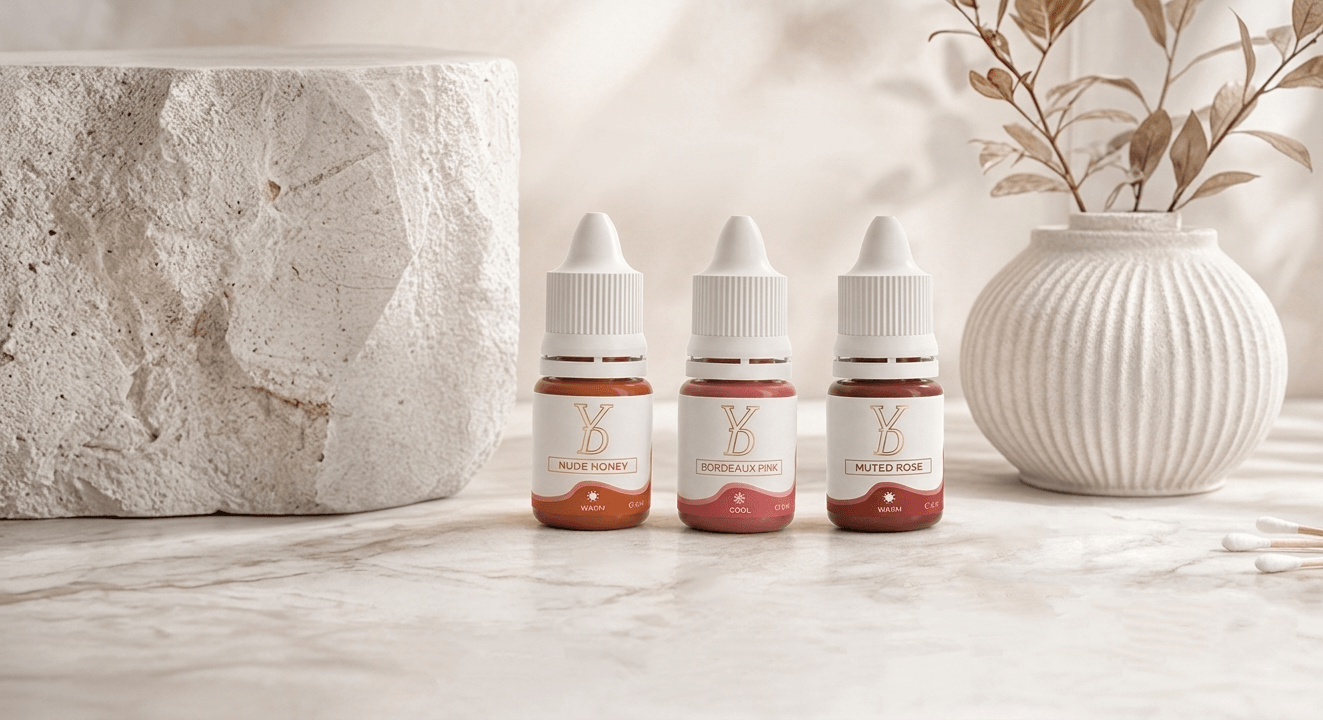
YDPMU NANO Organic Liquid Pigments — Hypoallergenic, stable formulas for sensitive skin clients
Skin Types That Are Not Ideal for Permanent Makeup: A Professional Guide

Conclusion
Allergic reactions to permanent makeup pigments are rare but manageable when recognized early. Understanding the symptoms, knowing the causes, and taking the right steps ensures both safety and confidence for clients.
With professional guidance, high-quality pigments, and proper care, most reactions can be avoided entirely — allowing clients to enjoy beautiful, long-lasting PMU results with peace of mind.
When the “Safest” Permanent Makeup Choice Becomes the Riskiest One

FAQ
How do I know if I'm allergic to PMU pigment?
Signs of a true pigment allergy include persistent itching that continues beyond the normal healing window (1–2 weeks), red raised bumps or rash-like patches around the treated area, swelling that worsens rather than improves, and unusual oozing or crusting. Delayed hypersensitivity reactions can also appear weeks or months after the procedure. If you experience these symptoms, consult a dermatologist or your PMU artist promptly.
What pigment ingredients most commonly cause allergic reactions?
The most common triggers are metal-based pigment components including nickel, chromium, cobalt, and certain iron oxides found in darker shades. Red and purple pigments historically carry a higher risk of reactions due to their colorant composition. Poor-quality or unregulated pigments may also contain additional irritants not present in professional-grade formulas.
Can I still get permanent makeup if I have sensitive skin?
Yes, in most cases. Clients with sensitive skin should disclose their skin history during consultation, undergo a patch test 48–72 hours before the procedure, and choose artists who use hypoallergenic, professionally formulated pigments. Skin conditions such as active eczema or dermatitis in the treatment area require postponement until the skin barrier is fully restored.
What should I do immediately if I think I'm having an allergic reaction to PMU?
Apply a cold compress to reduce swelling, keep the area clean and dry, and use hydrocortisone cream or an antihistamine if recommended by a healthcare professional. If symptoms worsen after 48–72 hours, develop into a significant rash or severe swelling, or if you have a history of autoimmune conditions, seek medical attention promptly. Contact your PMU artist to document the reaction and identify the pigment involved.
How can PMU artists prevent allergic reactions in clients?
The most effective prevention strategies are conducting a thorough client consultation to identify allergy history and skin conditions, performing a patch test before the procedure, using only certified professional-grade pigments with documented safety data, and avoiding pigments with known high-risk ingredients for sensitive clients. Educating clients about normal healing versus allergic symptoms also helps ensure early identification and appropriate response.