
Introduction
Oxidation in PMU is a chemical reaction between pigment molecules and oxygen present in the skin environment, causing the pigment to change color over time. Organic pigment components are most vulnerable — warm organic molecules break down faster than cool ones, causing warm pigments to shift cooler and darker over months and years. Inorganic iron oxide pigments are highly resistant to oxidation and maintain more stable color long-term. Understanding oxidation helps artists choose the right pigment formula for each client, set accurate expectations about how color will evolve, and correctly diagnose color changes that appear during follow-up appointments.
Color change in healed PMU is one of the most common concerns clients raise at touch-up appointments — and one of the most frequently misdiagnosed by artists. Not every color shift is caused by the same mechanism. The Tyndall effect, implantation depth errors, skin undertone interactions, and oxidation all produce different types of color change with different timelines and different correction approaches. Oxidation specifically is a chemistry problem: the pigment molecules themselves are changing, not just how they appear through the skin. Understanding the chemistry is what allows artists to predict, prevent, and explain it accurately.
| Pigment Type | Oxidation Vulnerability | Typical Color Shift | Timeline |
|---|---|---|---|
| Organic warm pigments (red, orange, yellow) | High | Shift cooler, darker, or grey as warm molecules break down | Months to 1–2 years |
| Organic cool pigments (blue, violet) | Medium-high | Can intensify or shift as other components break down faster | 1–3 years |
| Inorganic iron oxide pigments | Low | Minimal — highly stable, predictable long-term color | 3–5+ years |
| Hybrid (organic + inorganic blend) | Medium | Moderate shift as organic components oxidize over time | 2–4 years |
| Carbon black pigments | Very low | Highly stable, may soften slightly but rarely shifts hue | 3–5+ years |
1. What Is Oxidation?
Oxidation is a chemical reaction in which a molecule loses electrons when it comes into contact with an oxidizing agent — most commonly oxygen. It is the same process that causes iron to rust, a cut apple to turn brown, and oil paint to darken over decades. In each case, the original molecule reacts with oxygen and is chemically transformed into a different compound with different properties — including different color.
In the context of PMU pigments, oxidation occurs when the organic colorant molecules in the pigment formula react with oxygen that is present in the skin’s tissue environment. The skin is not an inert medium — it is a living biological system with oxygen, enzymes, UV-generated free radicals, and other reactive species that interact with implanted pigment over time. These interactions gradually alter the chemical structure of organic pigment molecules, changing their light-absorbing properties and therefore their visible color.
Oxidation is a slow process in the skin — it occurs over months and years rather than days or weeks. This is why PMU color changes are gradual rather than sudden, and why clients often notice the shift only when comparing fresh photos to current results at a touch-up appointment.
2. Which Pigments Are Most Vulnerable to Oxidation?
Not all PMU pigments oxidize at the same rate or in the same way. The vulnerability to oxidation depends primarily on the chemical structure of the colorant molecules used in the formula.
Organic Pigments
Organic pigments use carbon-based colorant molecules — the same class of chemistry used in many cosmetic dyes and textile colorants. These molecules are capable of producing a wide, vivid color range, which is why organic pigments are valued for their brightness and color variety. However, the carbon-based molecular structure that enables this color range is also more reactive with oxygen than inorganic alternatives.
Within organic pigments, warm-toned molecules — those responsible for red, orange, and yellow hues — are generally more vulnerable to oxidation than cool-toned molecules. This is why warm organic pigments tend to shift cooler over time: the warm components oxidize and break down faster, leaving the cooler components relatively intact and more dominant in the healed color.
A warm brown brow pigment with significant organic red and orange content may heal beautifully in the first year but gradually shift toward a cooler, greyer brown as the warm organic components oxidize. This is not a product failure — it is a predictable chemical process that artists should anticipate and communicate to clients.
Inorganic Pigments
Inorganic pigments use iron oxide and other mineral-based colorants. Iron oxide molecules have a fundamentally different chemical structure from organic colorants — they are already in an oxidized state (iron oxide is literally iron that has already reacted with oxygen, which is why it is called iron oxide). Because they are already oxidized, they have very little remaining reactivity with oxygen in the skin environment.
This chemical stability is the primary reason inorganic pigments are considered the gold standard for long-term color stability in PMU. They do not shift hue significantly over time, they do not fade as rapidly as organic pigments, and their healed color is more predictable across different skin types and environments.
Hybrid Pigments
Hybrid pigments blend organic and inorganic colorants to combine the color range of organic formulas with the stability of inorganic ones. The organic components in a hybrid formula will still oxidize over time, but the inorganic components provide a stable color base that moderates the overall shift. The result is a pigment that offers more color variety than pure inorganic formulas while maintaining better long-term stability than pure organic formulas.
Organic vs Inorganic Permanent Makeup Pigments: Choosing the Best for Long-Lasting Results
How to Choose the Best Pigment Formula for PMU

3. How Oxidation Changes PMU Color in Practice
The practical effect of oxidation on healed PMU color depends on the specific pigment formula, the client’s skin environment, and the time elapsed since the procedure. The most common patterns artists observe:
Warm Brow Pigments Shifting Cooler
A warm golden-brown brow pigment that healed beautifully in the first 6–12 months may gradually develop a cooler, more ashy or grey-brown appearance over 2–3 years. This is the most common oxidation pattern in brow PMU — the organic warm components (red, orange, yellow) oxidize faster than the cool components, shifting the overall healed color toward the cooler end of the spectrum.

Brown Pigments Developing a Grey Cast
Some brown pigments — particularly those with a significant organic component — develop a grey cast over time as the colorant molecules oxidize and lose their original hue. This is distinct from the Tyndall effect (which is a depth issue present from the initial healing) and from pigment turning blue (which involves cool organic components becoming dominant). Grey cast from oxidation typically develops gradually over 18–36 months.
Lip Pigments Shifting or Fading
Lip blush pigments — which rely heavily on organic red, pink, and coral colorants for their vivid color range — are particularly vulnerable to oxidation. The organic molecules responsible for warm lip colors are among the most reactive with oxygen. Lip pigments typically fade faster than brow pigments for this reason, and the healed color may shift toward a cooler or more muted tone over time.
How Long Does Lip Blush Really Last? A Complete Guide to Color Longevity and Aftercare
Why Warm Pigments Appear More Vibrant While Cool Pigments Stay More Stable

4. Oxidation vs Other Causes of PMU Color Change
Oxidation is one of several mechanisms that cause PMU color to change over time. Correctly identifying which mechanism is responsible is essential for accurate diagnosis and appropriate correction.
- Oxidation: Gradual chemical change in the pigment molecules themselves. Develops slowly over months to years. Warm pigments shift cooler; overall color becomes more muted. Present in all organic pigments to varying degrees.
- Tyndall effect: Optical phenomenon caused by superficial implantation depth. Blue or grey cast present from the initial healed result, not developing gradually. Not a chemical change — the pigment color itself has not changed.
- UV-induced fading: Sun exposure accelerates the breakdown of organic pigment molecules through photodegradation — a related but distinct process from oxidation. UV fading is faster and more pronounced than oxidation alone and is the primary reason sun protection is recommended for PMU clients.
- Skin cell turnover: As the skin naturally renews itself, some pigment is gradually carried toward the surface and shed. This contributes to overall fading but does not change the hue of the remaining pigment.
What Is the Tyndall Effect? Why PMU Can Turn Blue or Grey
How UV Exposure and Skincare Impact Permanent Makeup Pigment Longevity
Do Permanent Makeup Pigments Oxidize Over Time? What Really Causes Color Changes in Healed Brows

5. How to Choose Pigments That Resist Oxidation
Pigment formula selection is the most effective tool artists have for managing oxidation risk. Key principles:
- Prioritize inorganic or hybrid formulas for long-term stability: For clients who want the most stable, predictable long-term color — particularly for brow procedures where the healed result is visible daily — inorganic or high-quality hybrid formulas offer significantly better oxidation resistance than pure organic formulas.
- Match organic pigments to procedures where vivid color is the priority: Organic pigments are appropriate for lip blush and procedures where color vibrancy is more important than multi-year stability. Clients should be informed that touch-ups will be needed more frequently.
- Avoid high organic content in warm brow pigments for clients who want long-lasting results: Warm brow pigments with high organic red and orange content are the most likely to shift cooler over time. For clients who want their warm brow color to remain stable for 2–3+ years, a hybrid or inorganic formula with warm iron oxide tones is a more reliable choice.
- Consider the client’s lifestyle: Clients with high sun exposure, frequent swimming, or active skincare routines (retinol, AHAs) will experience faster oxidation and fading. These clients benefit most from inorganic or hybrid formulas and should be counseled on more frequent touch-up intervals.
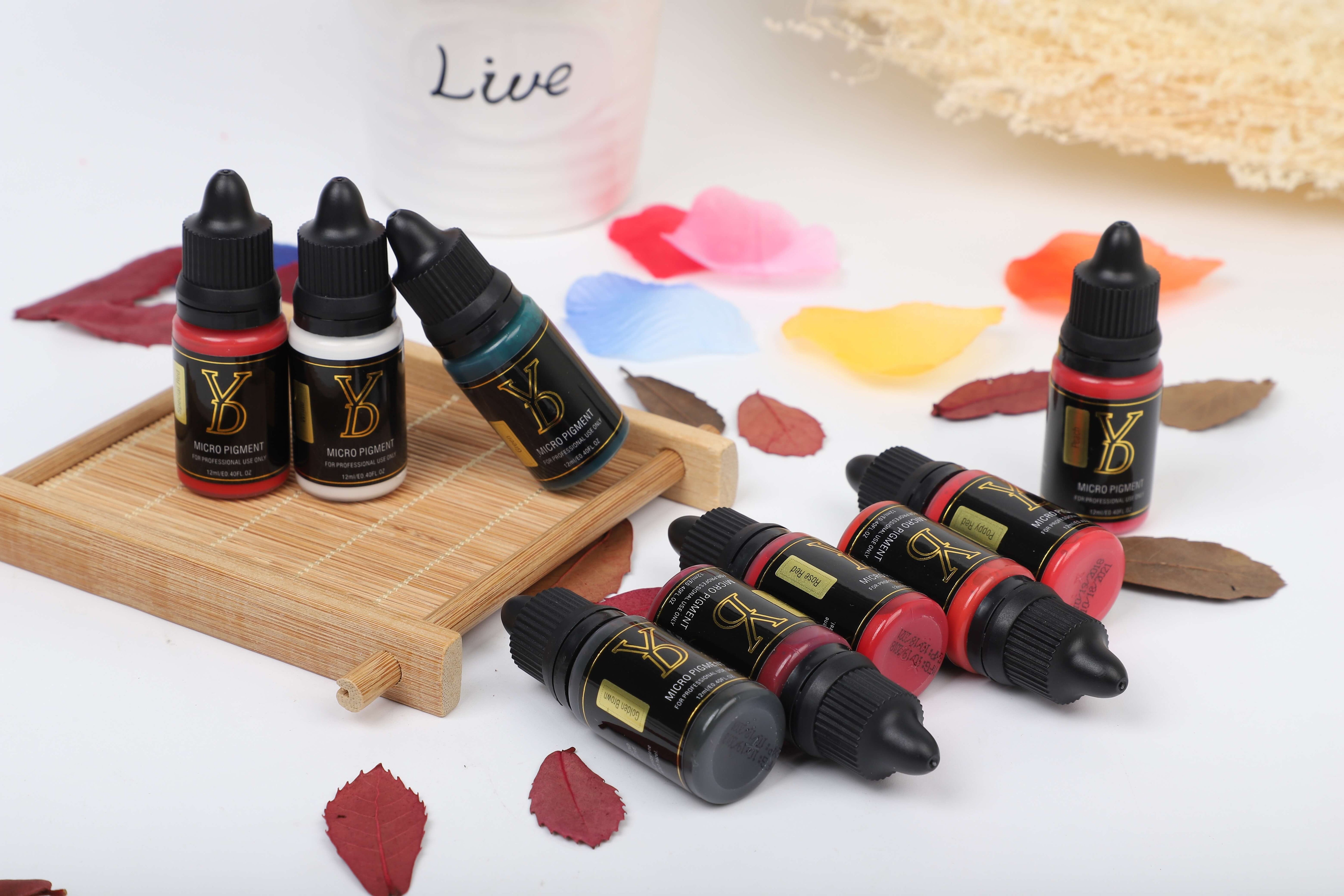
YDPMU NEO Organic Pigments — Vivid organic formula for lip blush and color-priority procedures

6. Setting Client Expectations About Oxidation
One of the most valuable things an artist can do with knowledge of oxidation is use it to set accurate client expectations before the procedure. Clients who understand that PMU color evolves over time — and why — are less likely to be alarmed by gradual color shifts and more likely to return for appropriate maintenance touch-ups.
Key points to communicate to clients:
- PMU color is not permanent in the sense of being unchanging — it evolves gradually over time as the pigment interacts with the skin environment.
- Warm pigments may shift slightly cooler over 2–3 years. This is normal and expected, not a sign of a problem.
- Sun protection significantly slows the rate of color change. SPF on the treated area is one of the most effective aftercare habits for long-term color stability.
- Touch-up appointments every 12–18 months allow the artist to refresh the color and correct any shift before it becomes pronounced.
How Long Does Permanent Makeup Really Last? A Complete Longevity Guide
Fading? Touch-Up? What’s Normal?

Conclusion
Oxidation is the chemistry behind one of the most common long-term changes in PMU — warm pigments shifting cooler, brown pigments developing a grey cast, and lip colors fading faster than expected. It is a predictable, well-understood chemical process that artists can manage through informed pigment formula selection, accurate client education, and appropriate touch-up scheduling. Inorganic and hybrid formulas offer the best oxidation resistance for clients who prioritize long-term color stability. Organic formulas offer the widest color range for procedures where vibrancy is the priority, with the understanding that more frequent maintenance will be needed.
Color Theory for PMU Artists: The Complete Guide
Why There Is No One-Size-Fits-All Pigment in Permanent Makeup
FAQ
What is oxidation in PMU pigments?
Oxidation in PMU is a chemical reaction between the organic colorant molecules in a pigment formula and oxygen present in the skin’s tissue environment. Over time, this reaction alters the chemical structure of the pigment molecules, changing their light-absorbing properties and therefore their visible color. Warm organic molecules — responsible for red, orange, and yellow hues — are most vulnerable and break down faster than cool molecules, causing warm pigments to shift cooler and more muted over months and years.
Why does my PMU color change over time?
PMU color changes over time due to several interacting processes: oxidation of organic pigment molecules, UV-induced photodegradation from sun exposure, gradual fading as skin cell turnover carries pigment toward the surface, and in some cases the Tyndall effect if pigment was implanted too superficially. Oxidation specifically causes a gradual hue shift — warm colors becoming cooler, bright colors becoming more muted — that develops slowly over months to years rather than appearing suddenly.
Which PMU pigments are most resistant to oxidation?
Inorganic iron oxide pigments are the most resistant to oxidation because they are already in an oxidized chemical state and have very little remaining reactivity with oxygen. Carbon black pigments are similarly stable. Hybrid pigments — blends of organic and inorganic colorants — offer moderate oxidation resistance. Pure organic pigments are the most vulnerable to oxidation, particularly those with high warm colorant content (red, orange, yellow molecules).
Does oxidation mean the pigment was low quality?
No. Oxidation is a natural chemical process that affects all organic pigment molecules to varying degrees — it is not a sign of poor quality. High-quality organic pigments oxidize more slowly and predictably than low-quality ones, but they still oxidize over time. The distinction is between organic and inorganic chemistry, not between good and bad products. Artists who understand oxidation choose formulas appropriate to the procedure and client expectations — inorganic for maximum stability, organic for maximum color range with the understanding that more frequent touch-ups will be needed.
How can I slow down oxidation in PMU?
The most effective client-side measure for slowing oxidation is consistent sun protection — UV exposure significantly accelerates the breakdown of organic pigment molecules. SPF applied daily to the treated area is the single most impactful aftercare habit for long-term color stability. Avoiding active skincare ingredients (retinol, AHAs, BHAs) near the treated area also reduces the rate of pigment breakdown. On the artist side, choosing inorganic or hybrid formulas for clients who prioritize long-term stability is the most effective preventive measure.