

YDPMU
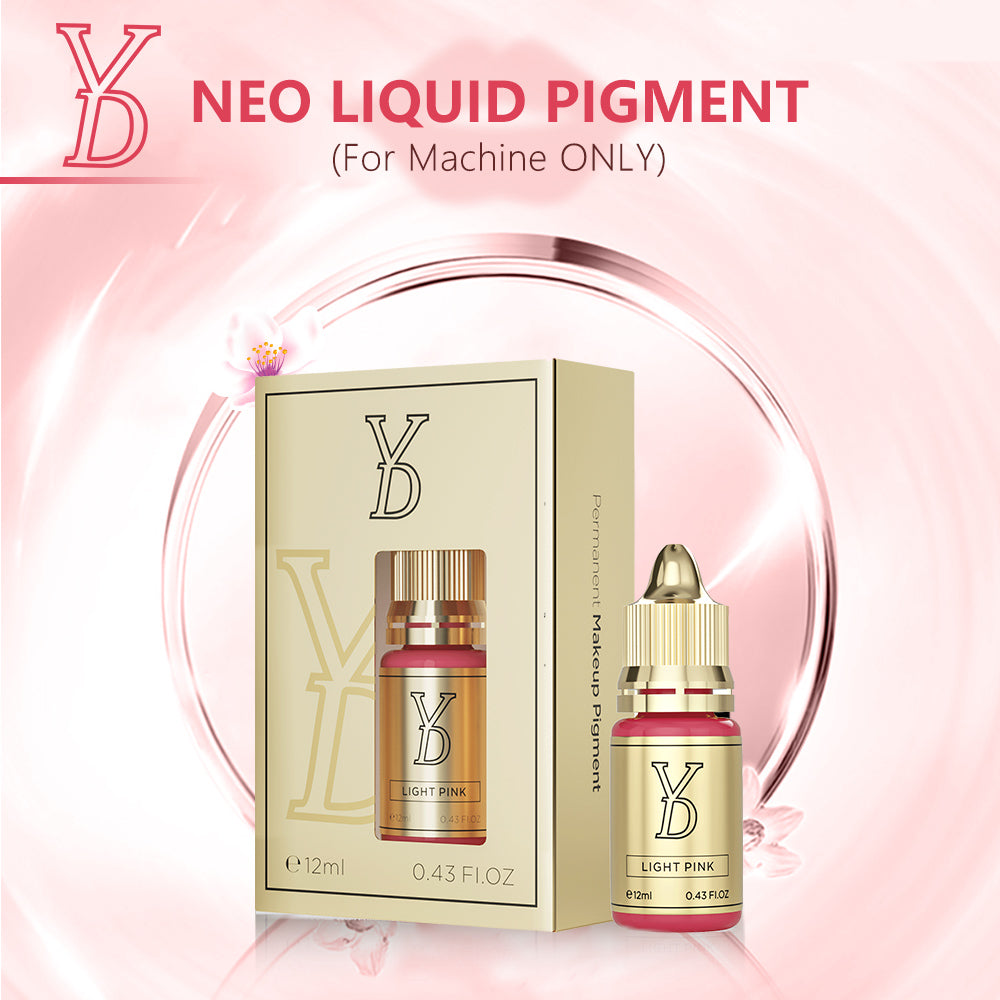
YDPMU NEO Organic PMU Lip Blush Pigment - Redwood
|
|
Free Shipping Over $149 |
|
|
Whatsapp Us If You Need a Quote |
 |
Product Documentation Available |


Choose options
|
|
Free Shipping Over $149 |
|
|
Whatsapp Us If You Need a Quote |
|
Product Documentation Available |
|
|
Free Shipping Over $149 |
|
|
Whatsapp Us If You Need a Quote |
|
Product Documentation Available |
Deep Warm Red-Brown PMU Lip Blush Pigment
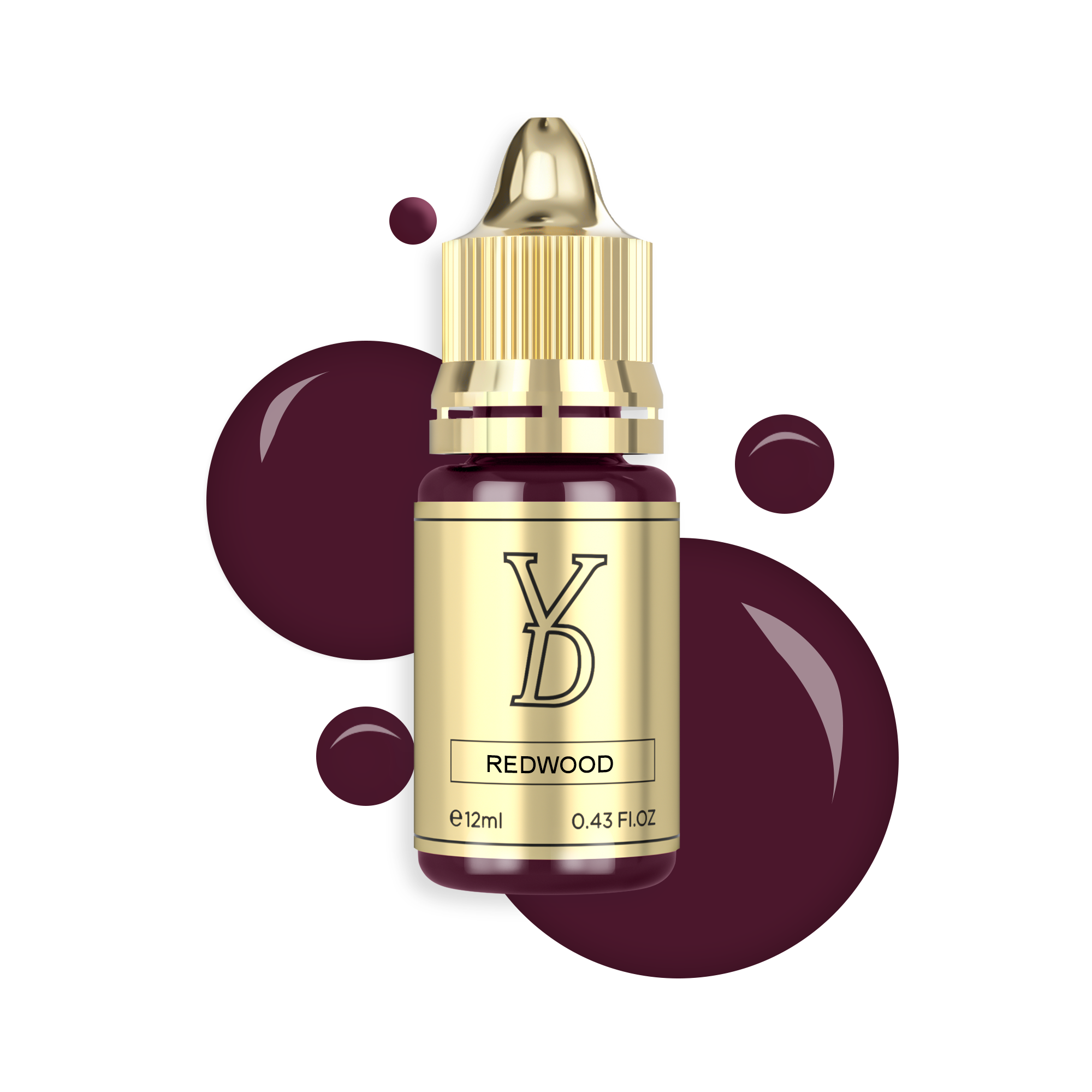
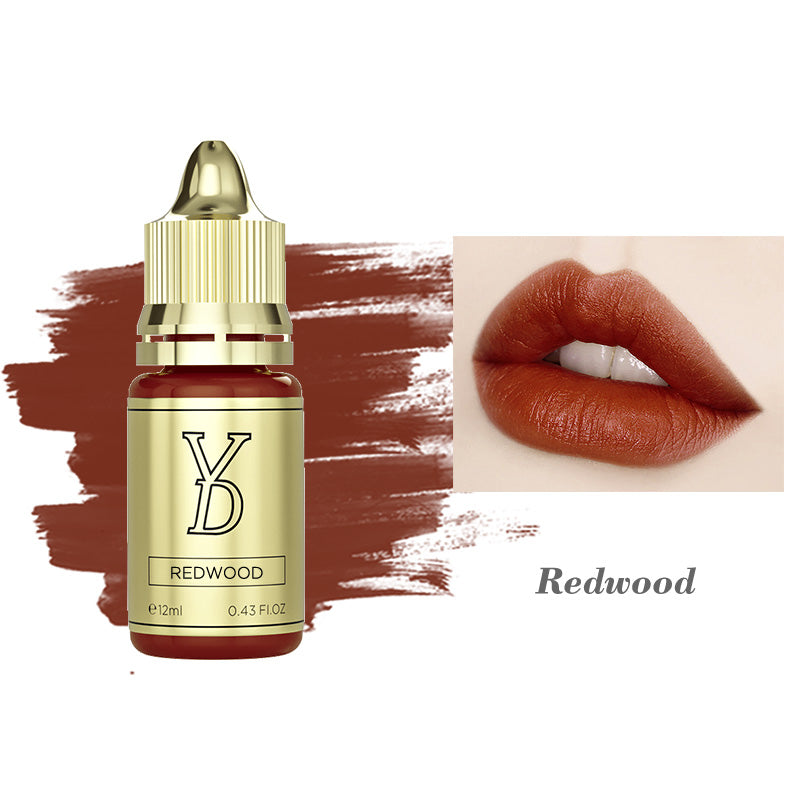
YDPMU NEO Organic PMU Lip Blush Pigment - Redwood is an individual professional lip pigment with a deep warm red-brown color direction and earthy terracotta characteristics.
Redwood is designed for artists planning a deeper brown-red finished lip color, an earthy terracotta direction or a customized mixture requiring additional warmth and depth.
It is primarily a finished lip blush color and professional mixing shade. It is not positioned as a dedicated dark-lip neutralizer.
Redwood at a Glance
- Product: YDPMU NEO Organic PMU Lip Blush Pigment - Redwood
- Shade: Redwood
- SKU: CTPM-NEO-018
- Color family: Deep warm red-brown
- Color characteristics: Earthy red with brown and terracotta influence
- Product type: Liquid PMU lip pigment
- Primary role: Finished lip color and professional mixing shade
- Application area: Lips
- Package: One individual bottle
- Intended user: Trained permanent makeup professionals
What Color Is Redwood?
Redwood sits between deep warm red and rich brown. Its terracotta characteristics give it a more earthy and grounded direction than a bright red, while its red component keeps it separate from a purely brown pigment.
Artists may consider Redwood when the intended color plan requires:
- A deep warm red-brown direction
- An earthy or terracotta-influenced lip color
- A darker alternative to bright warm red
- A warmer alternative to deep wine or cool berry shades
- Additional brown-red depth in a customized mixture
The bottle color and digital swatches are useful for comparing pigments, but they cannot predict an exact healed result. Natural lip tissue, previous PMU, technique, saturation and healing can all affect the visible color.
Is Redwood More Red or More Brown?
Redwood combines both color families. It is best described as a deep warm red-brown rather than a pure red or pure brown.
The visible balance between red and brown may change according to the pigment mixture and the client’s starting lip color. Artists should compare the pigment directly with neighboring NEO red and deep shades before selecting it.
Professional Uses for Redwood
- Planning deep warm red-brown finished lip colors
- Creating terracotta-inspired pigment mixtures
- Adding earthy brown-red depth to selected warm-red shades
- Warming selected deep red or wine-red mixtures
- Reducing the visual brightness of stronger red shades through custom mixing
- Restocking Redwood without purchasing a complete pigment collection
Final color selection should be based on the client’s natural lip color, visible undertone, previous permanent makeup, tissue condition and intended finished-color direction.
Is Redwood a Finished Lip Color or a Corrector?
Redwood is primarily a finished lip blush color and mixing shade. Its warmth and terracotta characteristics do not make it a universal dark-lip corrector.
Dedicated correctors such as yellow and orange pigments have a different role within a neutralization plan. A deep finished color should not be used simply to cover or mask cool, dark or uneven lip pigmentation.
Correction and finished-color selection should be treated as separate professional decisions.
Redwood Compared with Related NEO Lip Shades
| Shade | General Color Direction | How It Differs from Redwood |
|---|---|---|
| Hawthorn Red | Warm berry-red | More clearly red and berry-oriented, with less brown and terracotta influence |
| Ruby Red | Balanced classic-red direction | Clearer and more traditionally red than Redwood |
| Blaze Red | Bright warm red | Brighter and more visibly red, while Redwood is deeper and more earthy |
| Flame Red | Intense warm red-orange | More orange and brighter, while Redwood contains more brown depth |
| Redwood | Deep warm red-brown with terracotta characteristics | The earthy brown-red direction in this comparison |
| Bordeaux | Deep wine-red or burgundy | More wine-oriented, while Redwood is warmer, browner and more terracotta-influenced |
These comparisons describe general visible color relationships. They do not guarantee the same fresh or healed appearance on every client.
Redwood vs. Hawthorn Red
Hawthorn Red is a warm berry-red that remains more clearly within the red family. Redwood moves farther toward brown and terracotta, creating a deeper and more earthy direction.
An artist may consider Hawthorn Red when the intended result requires a warm berry-red. Redwood may be considered when the color plan specifically requires brown-red or terracotta depth.
Redwood vs. Blaze Red
Blaze Red is a bright warm red with stronger visual brightness. Redwood is darker, browner and more earthy.
The two shades may also be considered together when a customized mixture requires the brightness of a warm red combined with deeper terracotta character.
Redwood vs. Bordeaux
Both are deep colors, but they occupy different areas of the palette:
- Redwood: Deep warm red-brown with earthy terracotta characteristics
- Bordeaux: Deep wine-red or burgundy direction
Redwood generally contributes warmth and brown-red depth. Bordeaux contributes a darker wine or burgundy character.
Redwood vs. Flame Red
Flame Red has a brighter warm red-orange direction. Redwood contains more brown and appears deeper and more grounded.
An artist choosing between them should determine whether the target color requires visible orange-red warmth or a deeper terracotta red-brown direction.
Custom Mixing with Redwood
Professional artists may use Redwood alone or incorporate it into customized lip pigment mixtures. Depending on the intended direction, it may be considered with:
- Hawthorn Red: To move the mixture toward a clearer warm berry-red direction
- Ruby Red: To increase the classic red component
- Blaze Red: To add brightness and stronger warm-red visibility
- Bordeaux: To deepen the mixture toward an earthy wine-red direction
- Flame Red: To increase the visible orange-red warmth
- Soft White: To create a visibly lighter or more muted terracotta mixture when professionally appropriate
Adding Soft White can change saturation, opacity and the overall character of a mixture. It should be used cautiously and should not be treated as an automatic method for creating a natural lip tone.
No universal mixing ratio is recommended. Pigment proportions should be determined according to the starting lip color, intended color direction, companion pigment and the artist’s professional experience.
Can Redwood Be Used on Naturally Dark Lips?
Redwood should not be selected automatically because a client has naturally dark lips. Its depth may make it appear more visible than a light shade, but visibility is not the same as neutralization.
If the starting lip contains significant blue, purple, gray, dark or uneven coloration, the artist should first determine whether purpose-selected correction shades are required.
A deep red-brown pigment should not be used to mask an unsuitable starting color without understanding how that color may influence the final result.
Can Redwood Be Used After Dark-Lip Neutralization?
Redwood may be considered as a finished color after a correction stage has healed, provided the artist reassesses the lip and determines that a deep warm red-brown direction is appropriate.
It should not be assumed that every client requires the same correction process, number of sessions or waiting period.
For a correction-focused professional palette, explore:
- YDPMU NEO Dark Lip Neutralization Set – 10 Colors
- YDPMU NEO Dark Lip Neutralization Set – 10 Colors, 12ML Version
What If the Client Has Previous Lip PMU?
Previous permanent makeup can affect the visible color and future treatment plan. Before selecting Redwood, assess:
- The remaining pigment color and saturation
- Visible blue, gray, purple, orange, red or brown influences
- Uneven pigment distribution
- Previous pigment layering
- The condition of the lip tissue
- The client’s intended color direction
- Whether correction, removal or additional healing time should be considered
Redwood should not be used simply to conceal an unsuitable previous result without a complete professional assessment.
Suitable PMU Lip Techniques
Depending on the artist’s training, equipment and treatment plan, Redwood may be considered for:
- Lip blush applications
- Full-lip color procedures
- Gradient or ombré lip designs
- Customized terracotta mixtures
- Deep warm red-brown finished-color planning
The pigment color does not determine the implantation technique, needle selection, machine settings, healed saturation or number of sessions. These decisions remain the responsibility of the trained professional.
Individual Redwood or a Complete Pigment Set?
Choose this individual Redwood product when you need to restock the shade or add a distinct deep warm red-brown option to an existing professional lip pigment palette.
For broader shade navigation and individual color comparison, explore:
YDPMU NEO Organic Lip Pigments – 25 Individual Shades
Artists seeking a coordinated group of red and berry finished colors may also compare the:
YDPMU NEO Organic Desire Red & Berry Lip Blush Set
Redwood is not one of the five colors in the Desire Set. This individual page therefore serves the specific search intent for a deep terracotta red-brown pigment.
Understanding Terracotta Lip Pigment Color Theory
Terracotta color directions combine different proportions of red, orange and brown. Redwood is positioned toward deep warm red-brown rather than bright orange-red or deep wine-red.
Natural lip tissue remains part of the final visible color. The same Redwood pigment or mixture may appear differently depending on the client’s starting lip color, previous permanent makeup, implanted saturation and healing response.
Artists should distinguish between:
- Correcting unwanted cool or dark lip coloration
- Selecting an earthy red-brown finished color
- Adjusting the warmth, brightness or depth of a mixture
For additional educational information, read the YDPMU Color Theory Guide for PMU Artists.
Healed Appearance and Retention
Freshly implanted pigment normally appears different from healed pigment. Healed color and retention vary between clients.
Factors that may influence the result include:
- Natural lip color and undertone
- Previous permanent makeup
- Lip tissue and skin condition
- Selected pigment mixture
- Implanted saturation
- Artist technique and equipment settings
- Healing response and aftercare
- Lifestyle and environmental exposure
- Future maintenance treatments
No pigment can guarantee the same bottle, swatch, fresh or healed appearance on every client. Fixed fading percentages, exact retention periods and universal color-stability outcomes should not be assumed.
About the NEO Organic Series Name
“NEO Organic” is the name of this YDPMU pigment series. It should not be interpreted as agricultural, food-grade or third-party organic certification.
Professional users should review available product documentation, ingredient information and market-specific requirements applicable to their location and intended use.
Product Specifications
| Brand | YDPMU |
|---|---|
| Series | NEO Organic |
| Product Name | YDPMU NEO Organic PMU Lip Blush Pigment - Redwood |
| Shade | Redwood |
| SKU | CTPM-NEO-018 |
| Color Family | Deep warm red-brown |
| Color Direction | Earthy red-brown with terracotta characteristics |
| Primary Role | Finished lip color and professional mixing shade |
| Application Area | Lips |
| Package Contents | One individual bottle |
| Intended User | Trained permanent makeup professionals |
Product Documentation and Regulatory Information
Product documentation and market-specific testing information are available for eligible formulas upon request.
Tattoo and permanent makeup product requirements differ between markets. Professional users are responsible for reviewing applicable regulations, permitted-use conditions and labeling requirements in their location.
- U.S. FDA: Tattoos and Permanent Makeup Fact Sheet
- European Union: REACH Restrictions for Tattoo Inks and Permanent Makeup
Frequently Asked Questions
What color is YDPMU Redwood?
Redwood is a deep warm red-brown lip pigment with earthy terracotta characteristics.
Is Redwood more red or more brown?
It combines both. Redwood is positioned between deep warm red and brown rather than being a pure example of either color.
Is Redwood a terracotta lip pigment?
Redwood has a terracotta-influenced color direction. It combines warm red, brown and earthy characteristics.
Is Redwood a finished lip color or a corrector?
It is primarily a finished lip blush color and professional mixing shade. It is not positioned as a dedicated dark-lip corrector.
What is the difference between Redwood and Hawthorn Red?
Hawthorn Red is a warm berry-red that remains more clearly red. Redwood contains more brown and terracotta influence.
What is the difference between Redwood and Blaze Red?
Blaze Red is brighter and more visibly red. Redwood is deeper, browner and more earthy.
What is the difference between Redwood and Bordeaux?
Redwood is a warm red-brown with terracotta characteristics. Bordeaux is a deeper wine-red or burgundy color direction.
What is the difference between Redwood and Flame Red?
Flame Red is a brighter warm red-orange, while Redwood has more brown depth and a more earthy appearance.
Can Redwood be used on dark lips?
Only after professional assessment. Its depth does not make it a universal corrector, and dedicated neutralization shades may be required when significant cool or dark coloration is present.
Can Redwood be used after dark-lip neutralization?
It may be considered as a finished color after the correction stage has healed and the artist determines that an earthy red-brown direction is appropriate.
Can Redwood be mixed with Hawthorn Red?
A professional artist may consider Hawthorn Red when moving a Redwood mixture toward a clearer warm berry-red direction.
Can Redwood be mixed with Blaze Red?
Blaze Red may add brightness and a stronger warm-red component to a Redwood mixture.
Can Redwood be mixed with Bordeaux?
Bordeaux may add wine-red depth and create a deeper earthy red mixture.
Can Redwood be mixed with Soft White?
Soft White may create a visibly lighter or more muted terracotta mixture, but it can also change saturation and opacity. It should be used cautiously.
Is there a fixed Redwood mixing ratio?
No. Mixing proportions depend on the starting lip color, intended result, selected companion pigments and the artist’s professional judgment.
Is Redwood suitable for every skin tone?
No shade should be selected automatically according to a broad skin-tone or ethnicity category. Natural lip color, undertone, tissue condition and desired result must be assessed individually.
Can Redwood be used for ombré or gradient lips?
A trained artist may consider Redwood for gradient, ombré or full-lip applications when its depth and color direction fit the treatment plan.
Will Redwood heal exactly like the bottle or swatch?
No. Digital screens, lighting, natural lip tissue, pigment mixtures, implantation technique and healing can all influence the final appearance.
Will Redwood always remain red-brown?
No universal color-stability guarantee can be made. Healed and aging color may be influenced by the starting lip color, previous work, pigment mixture, technique and individual healing.
How much will Redwood fade during healing?
A fixed fading percentage cannot be guaranteed. Color change varies according to the client, implanted saturation, technique, healing response and aftercare.
How long does Redwood last?
Retention varies between individuals. Tissue condition, technique, lifestyle, healing, aftercare and maintenance can all influence longevity.
Where can I compare Redwood with the other NEO colors?
Visit the YDPMU NEO Organic Lip Pigments – 25 Individual Shades page to explore the wider color range.
Is Redwood intended for professional use?
Yes. It is intended for trained permanent makeup professionals who understand client assessment, color theory, hygiene, equipment operation, application procedures and applicable local requirements.
REACH Compliant
Vegan Origin
Cruelty-Free
Seamlessly Mixable