

YDPMU
YDPMU NEO Organic PMU Lip Blush Pigment - Raspberry
|
|
Free Shipping Over $149 |
|
|
Whatsapp Us If You Need a Quote |
 |
Product Documentation Available |


Choose options
|
|
Free Shipping Over $149 |
|
|
Whatsapp Us If You Need a Quote |
|
Product Documentation Available |
|
|
Free Shipping Over $149 |
|
|
Whatsapp Us If You Need a Quote |
|
Product Documentation Available |
Deep Berry-Pink PMU Lip Blush Pigment
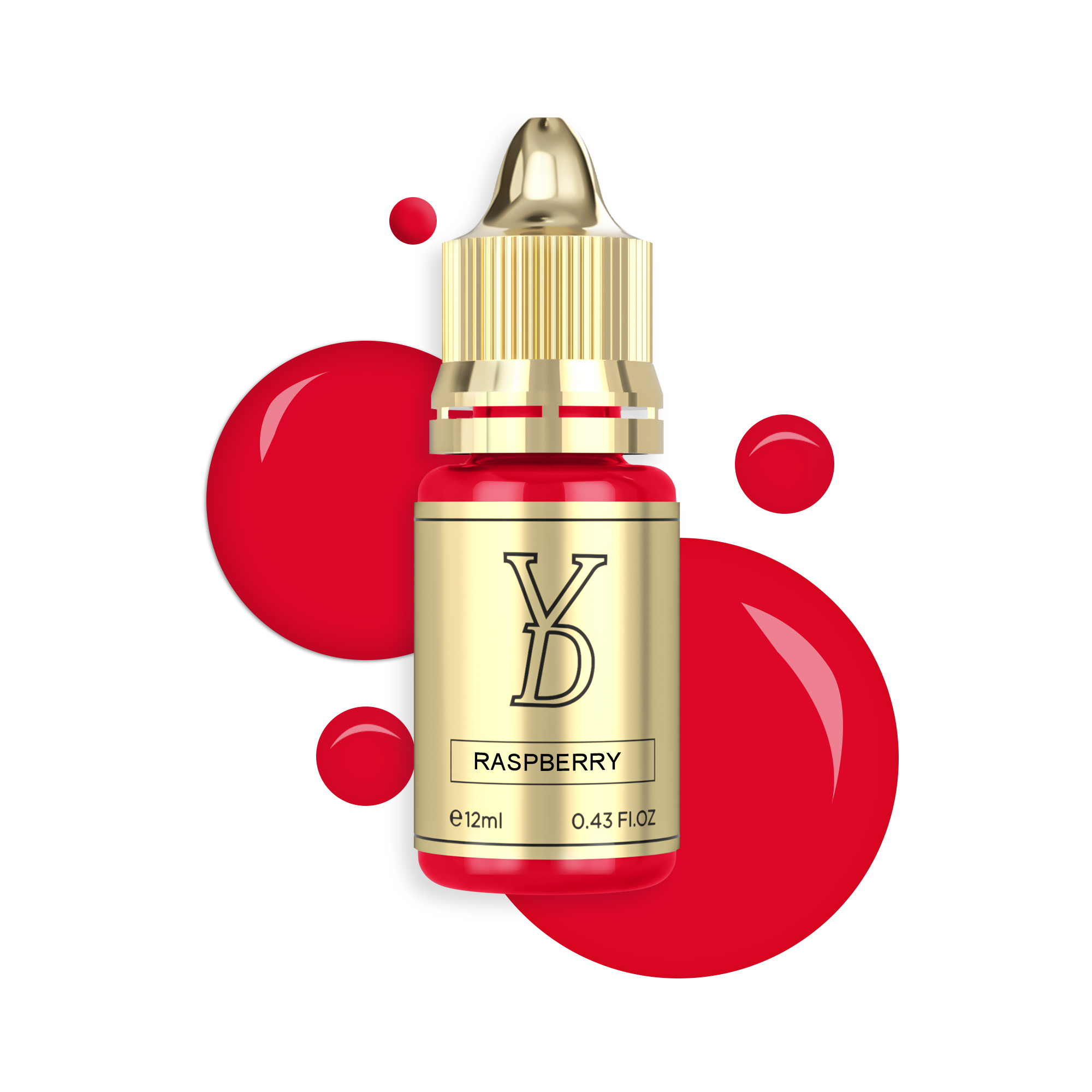
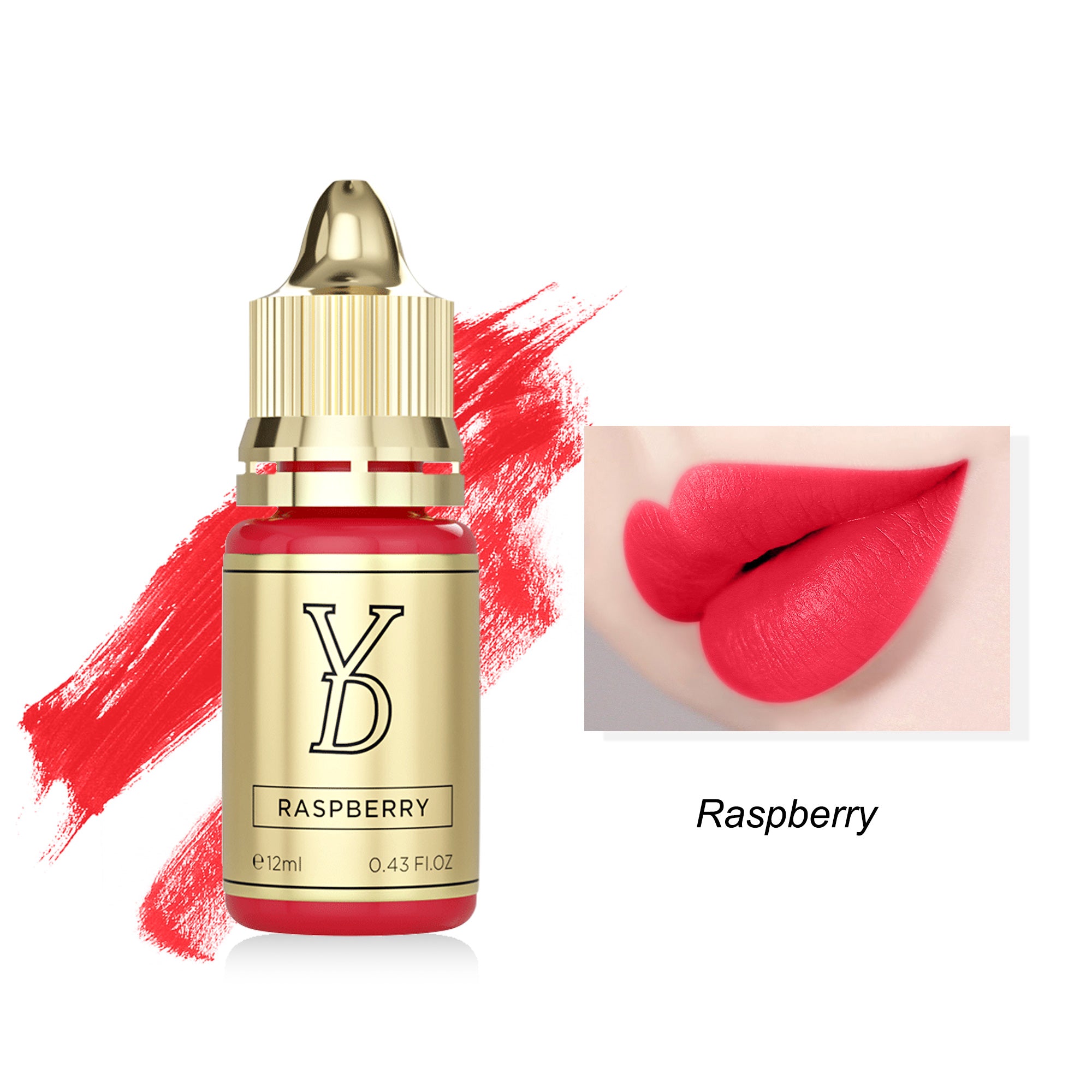
YDPMU NEO Organic PMU Lip Blush Pigment - Raspberry is a deep berry-pink pigment developed for professional lip blush color planning. Its cool pink and berry direction provides more depth than soft or vivid pink shades while remaining visually distinct from deep wine and classic red pigments.
Raspberry is a finished lip color, not a dark-lip neutralizer. Its cool berry direction should be evaluated carefully on naturally cool, dark or previously pigmented lips.
Raspberry at a Glance
- Color family: Berry pink
- Color direction: Deep, cool and pink-dominant
- Primary role: Finished lip blush color
- Also useful for: Adding berry depth to compatible pink mixtures
- Product format: Individual professional PMU pigment
- SKU: CTPM-NEO-006
What Color Is Raspberry?
Raspberry is a rich berry-pink with a cool color direction. It sits between vivid pink and deeper berry or wine shades, providing more depth than Barbie Pink and Lotus while remaining more pink-dominant than Bordeaux.
This shade can be considered for color plans requiring a visible deep-pink or berry-pink presence. It is not positioned as a subtle nude, pale pink, muted dusty rose or classic red.
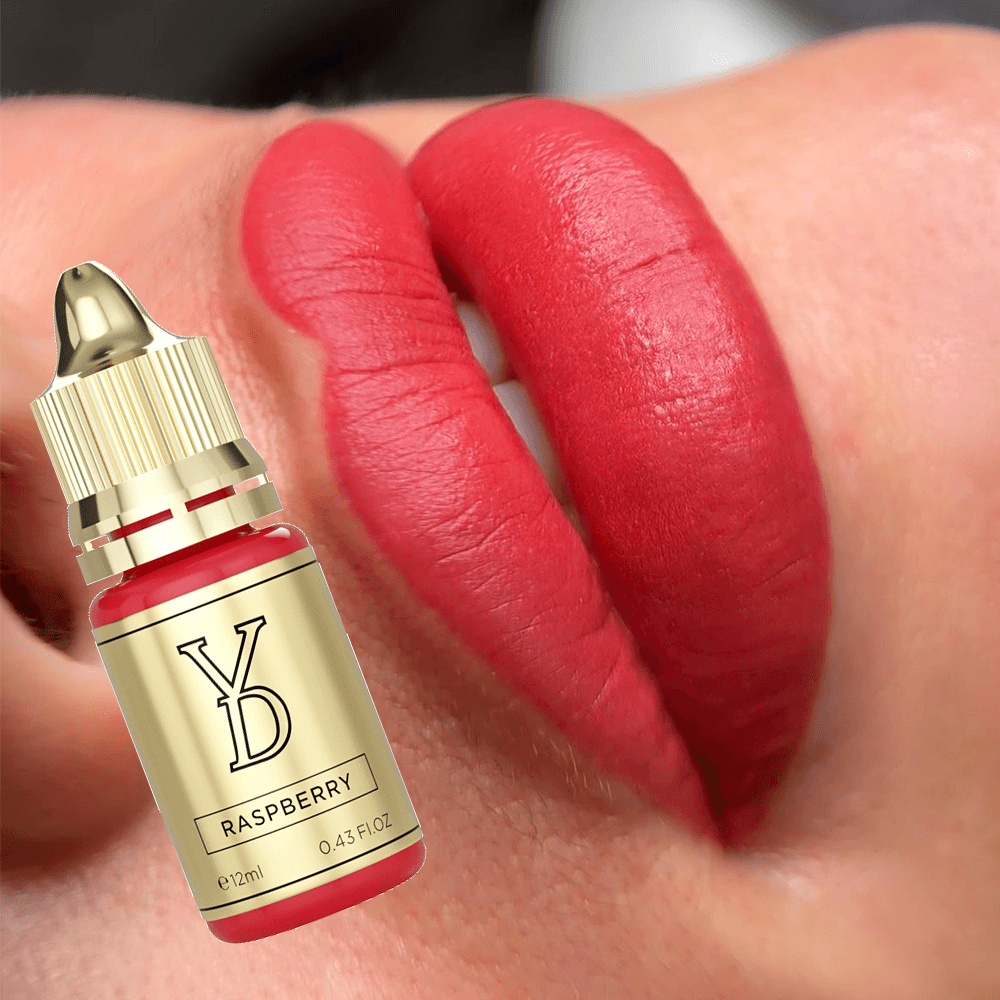
The healed result will not be identical to the pigment as seen in the bottle or online swatch. Natural lip undertone, existing pigmentation, previous PMU, implantation technique and healing response can make the final color appear softer, warmer, cooler, darker or more muted.
Professional Uses for Raspberry
- Planning deep berry-pink lip blush concepts
- Creating customized pink and berry mixtures
- Adding depth to lighter compatible pink shades
- Developing berry-red or wine-pink color directions
- Restocking Raspberry without purchasing a complete pigment collection
Raspberry should be selected through professional lip and color assessment. Natural lip undertone, previous PMU and the desired healed direction are more relevant than broad skin-tone labels alone.
Is Raspberry a Finished Color or a Corrector?
Raspberry is primarily a finished-color lip blush pigment. It is not intended to replace orange, yellow-orange or other warm correcting pigments when visibly cool or dark lip undertones require neutralization.
Because Raspberry has a cool berry direction, applying it directly over a blue, gray, purple or strongly cool lip base may make the finished result appear cooler or less predictable than intended. The underlying lip color should be assessed before Raspberry is selected.
Raspberry Compared with Other NEO Lip Pigments
| Shade | Color Direction | Planning Difference |
|---|---|---|
| Raspberry | Deep cool berry-pink | A pink-dominant shade with visible berry depth |
| Lotus | Muted dusty rose | Lighter, softer and more muted than Raspberry |
| Barbie Pink | Vivid bright pink | Brighter but less deep and less berry-influenced |
| Cherry Blush | Warm cherry-pink | Warmer and more cherry-influenced than Raspberry |
| Hawthorn Red | Warm berry-red | Redder and warmer than Raspberry |
| Bordeaux | Deep wine-burgundy | Darker, more dramatic and more wine-dominant |
Raspberry vs. Lotus
Raspberry provides considerably more berry depth and saturation. Lotus is a softer, lower-saturation dusty rose intended for more muted color planning.
Raspberry vs. Barbie Pink
Raspberry is deeper and more berry-influenced. Barbie Pink is brighter and more vivid, with less depth and a clearer bright-pink direction.
Raspberry vs. Cherry Blush
Raspberry has a cooler berry-pink direction. Cherry Blush moves toward a warmer cherry-pink character and may be considered when a color plan requires additional warmth.
Raspberry vs. Bordeaux
Raspberry remains clearly within the berry-pink family. Bordeaux is darker and moves into a deep wine-burgundy direction. These two shades should target different search and color-planning intentions.
Mixing Raspberry with Other Lip Pigments
Raspberry can be used in customized mixtures when the selected pigments are compatible and the artist understands how each addition changes the overall color direction.
- With Light Pink: Moves the mixture toward a softer and lighter berry-pink direction.
- With Lotus: Creates a more muted dusty-berry direction.
- With Barbie Pink: Adds brighter and more vivid pink character.
- With Ouba Pink: Adds peach warmth and reduces the cool berry character.
- With Cherry Blush: Moves the mixture toward a warmer cherry-berry direction.
- With Hawthorn Red: Adds a warmer berry-red influence.
- With Bordeaux: Creates a deeper wine-berry direction.
- With Soft White: May lighten or mute the mixture while also changing its opacity and visual behavior.
No universal mixing ratio is recommended. The appropriate formula depends on the natural lip base, previous PMU, desired healed color, pigment concentration and the artist’s technique. Record each custom formula and evaluate the mixture before treatment.
How Can Raspberry Be Made Warmer?
When Raspberry appears too cool for the intended color plan, Ouba Pink, Light Coral, Cherry Blush or another compatible warm finished color may be evaluated. The appropriate choice depends on whether the desired direction is peach-berry, coral-berry, cherry-berry or berry-red.
A warm finished color and a dedicated correcting pigment serve different purposes. Artists should not use the same formula for both finished-color adjustment and dark-lip neutralization without an individual assessment.
Can Raspberry Be Used on Naturally Dark or Cool Lips?
Raspberry is not designed as the primary neutralizing shade for visibly dark, brown, blue, gray or purple lip undertones. Because it has a cool berry direction, applying it directly over an untreated cool lip base may increase the perceived coolness of the finished result.
Before selecting Raspberry for dark or cool lips, assess:
- The dominant natural lip undertone
- The depth and distribution of pigmentation
- Whether the lip color is even or uneven
- Whether previous PMU is present
- Whether neutralization should precede the target color
- Whether the requested berry-pink result is realistic for the existing lip base
For dedicated correcting options, compare the YDPMU NEO Organic Dark Lip Neutralization Set.
Using Raspberry After Lip Neutralization
Raspberry may be evaluated as a later finished-color option after a previous neutralization treatment has healed and the lip base has been reassessed. It should not be selected automatically after correction, especially when visible coolness or darkness remains.
The artist should assess the healed undertone, color evenness and target result before deciding whether Raspberry is suitable alone or within a warmer customized mixture.
Should Raspberry Be Mixed with a Corrector in One Session?
Raspberry should not be promoted with a universal one-session correction formula. Combining a cool finished color with an orange correcting pigment changes both neutralization behavior and the target color direction.
Whether correction and finished color can be planned together depends on the depth and undertone of the natural lip pigmentation, the formula selected and the artist’s professional assessment. More pronounced dark or cool pigmentation may require a staged approach.
Using Raspberry over Previous Lip PMU
Previous permanent makeup can significantly affect a berry-pink pigment. Before applying Raspberry, evaluate the residual pigment’s hue, depth, saturation and distribution.
Raspberry should not be expected to correct dark, blue, gray, purple, orange or uneven residual pigment by itself. Corrective planning may be required before selecting the new finished color.
Suitable PMU Techniques
Raspberry can be considered for professional lip blush techniques when compatible with the artist’s equipment, application method and intended color plan. Possible applications include:
- Full-lip color shading
- Layered color-building techniques
- Customized berry-pink mixtures
- Berry-pink gradient concepts
- Berry-red and wine-berry color planning
Technique choice, needle configuration, implantation depth and number of passes remain the responsibility of the trained artist. Follow the equipment manufacturer’s instructions and applicable local professional requirements.
Individual Shade, Mixing Kit or Complete Collection?
Choose this individual Raspberry pigment when you need to replace or restock this specific shade.
Raspberry is also one of the five selected finished colors in the YDPMU NEO Organic Natural Lip Mixture Kit, together with Lotus, Ouba Pink, Pink Orange and Grapefruit. Choose that set when you want a coordinated group of natural, warm, rose and berry color directions.
Artists who want a broader selection of finished colors, modifiers and correcting shades can compare the YDPMU NEO Organic Lip Pigments - 25 Individual Shades.
Color Theory Matters
A deep berry-pink pigment can appear different over warm, cool, pale, dark or previously pigmented lips. A cool natural lip base may increase the perceived coolness of Raspberry, while a warm base may shift the visible result in another direction.
Artists should evaluate undertone, value, saturation and complementary color relationships before treatment. For additional professional background, read the YDPMU Color Theory Guide for PMU Artists.
Why Healed Results Vary
Healed PMU color cannot be determined from the bottle color alone. Results may vary due to:
- Natural lip undertone and pigmentation
- Previous permanent makeup
- Skin and tissue characteristics
- Pigment placement and application technique
- Needle and machine settings
- Healing response and aftercare
- Environmental and lifestyle factors
Product photographs and digital swatches are visual references only. Lighting, photography and screen settings can also affect perceived color.
Product Information
| Product name | YDPMU NEO Organic PMU Lip Blush Pigment - Raspberry |
|---|---|
| Shade | Raspberry |
| Color family | Deep berry pink |
| Color direction | Cool and pink-dominant with berry depth |
| Primary use | Professional finished-color lip blush planning |
| Correcting role | Not positioned as a primary dark-lip neutralizer |
| Format | Individual pigment bottle |
| SKU | CTPM-NEO-006 |
| Intended user | Trained professional PMU artists |
About the NEO Organic Series Name
NEO Organic is the name of the YDPMU pigment series. The word “Organic” in the series name should not be interpreted as agricultural, food-grade or third-party organic certification.
Review the product label and available documentation for formula-specific information. Product documentation and market-specific testing information are available for eligible formulas upon request.
Professional and Regulatory Considerations
Permanent makeup requirements vary by country and region. Artists and distributors are responsible for confirming whether a product is suitable for their local market and intended professional use.
For general regulatory information, consult the official U.S. FDA Tattoos and Permanent Makeup Fact Sheet and the applicable EU REACH tattoo ink and permanent makeup regulation.
Frequently Asked Questions
What color is Raspberry lip pigment?
Raspberry is a deep, cool berry-pink. It has more depth than Lotus or Barbie Pink but remains more pink-dominant than Bordeaux.
Is Raspberry a finished lip color or a corrector?
Raspberry is primarily a finished lip blush color. It is not positioned as a primary pigment for neutralizing dark, blue, gray or purple lips.
What is the difference between Raspberry and Lotus?
Raspberry is deeper and more saturated, with a clear berry-pink character. Lotus is lighter, softer and more muted.
What is the difference between Raspberry and Barbie Pink?
Raspberry is deeper and more berry-influenced. Barbie Pink is brighter, more vivid and less deep.
What is the difference between Raspberry and Cherry Blush?
Raspberry has a cooler berry-pink direction. Cherry Blush is warmer and moves toward a cherry-pink direction.
What is the difference between Raspberry and Bordeaux?
Raspberry remains within the deep pink family. Bordeaux is darker and moves into a wine-burgundy color direction.
Can Raspberry be used alone?
It may be used as an individual finished-color option when the natural lip base, previous PMU and desired healed direction are compatible. Professional assessment is still required.
Can Raspberry be mixed with other NEO pigments?
Yes. It may be combined with compatible professional lip pigments to adjust warmth, lightness, depth or saturation. Avoid relying on a universal mixing ratio.
How can an artist make Raspberry lighter?
Light Pink may move Raspberry toward a softer berry-pink direction. Soft White may create a lighter or more muted appearance but can also change opacity and pigment behavior.
How can an artist make Raspberry warmer?
Ouba Pink, Light Coral, Cherry Blush or another compatible warm finished color may be evaluated depending on the desired warm berry direction.
Can Raspberry be used on naturally cool lips?
It should be selected cautiously. Because Raspberry has a cool berry direction, an untreated cool lip base may make the healed result appear cooler than intended.
Can Raspberry be used for dark-lip neutralization?
Raspberry is not a primary neutralizing pigment. Dark or cool lips may require dedicated warm correcting shades and a staged professional plan.
Can Raspberry be used after dark-lip neutralization?
It may be evaluated after the correcting treatment has healed and the lip base has been reassessed. Remaining coolness or darkness can affect the finished berry-pink direction.
Will Raspberry heal exactly like the online swatch?
No exact healed-color result can be guaranteed. Natural lip color, previous PMU, technique, healing response, lighting and screen display can all affect the final appearance.
Is Raspberry suitable for every skin tone?
No pigment should be matched automatically using skin-tone categories alone. Natural lip undertone, existing pigmentation, previous PMU and the intended result should guide professional selection.
Who should use Raspberry?
This product is intended for trained professional PMU artists who understand lip color assessment, pigment selection, application technique, hygiene and local regulatory requirements.

REACH Compliant

Vegan Origin
Cruelty-Free
Seamlessly Mixable