BLOG
Client Consultation
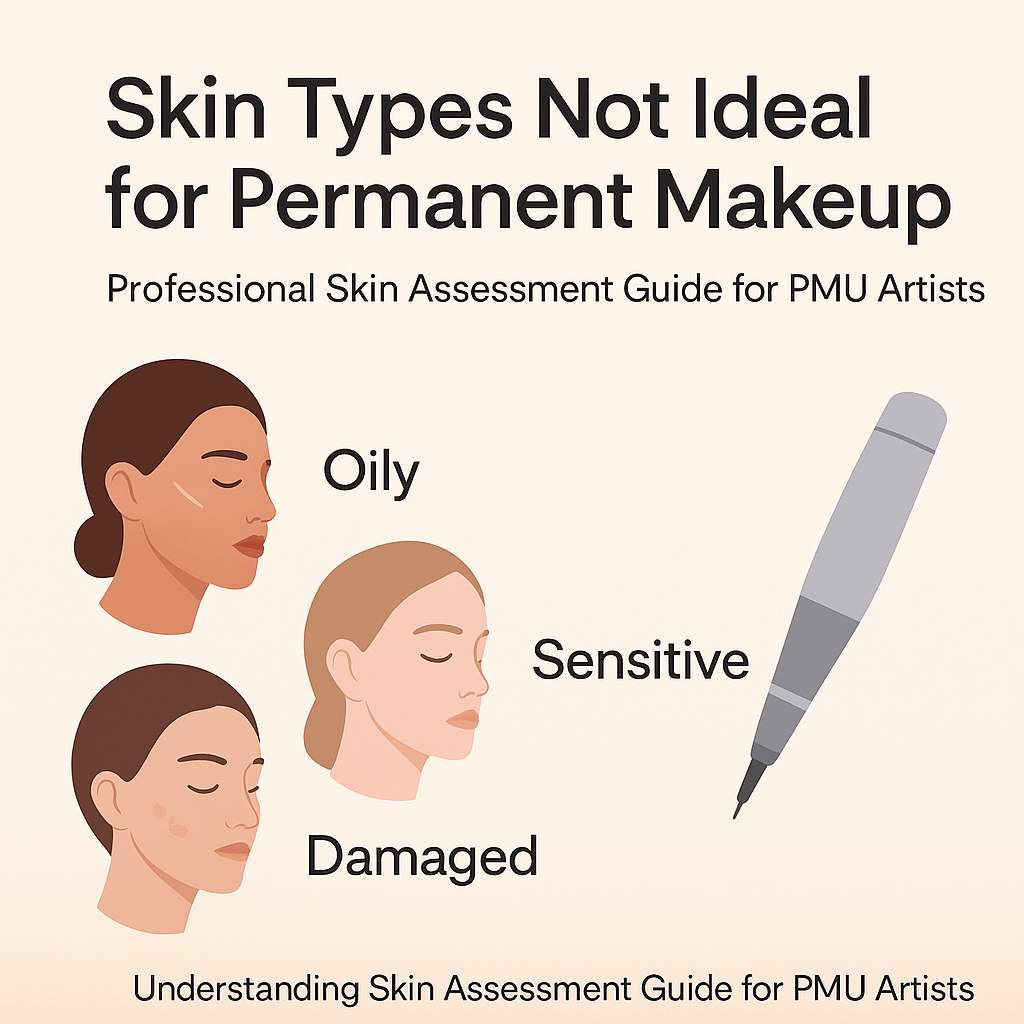
Skin Types That Are Not Ideal for Permanent Makeup: A Professional Guide for Permanent Makeup Artists
Not all skin types are ideal for permanent makeup. Extremely oily skin reduces retention, thin or sensitive skin increases trauma risk, and active acne or compromised skin barriers create infection...
Aftercare
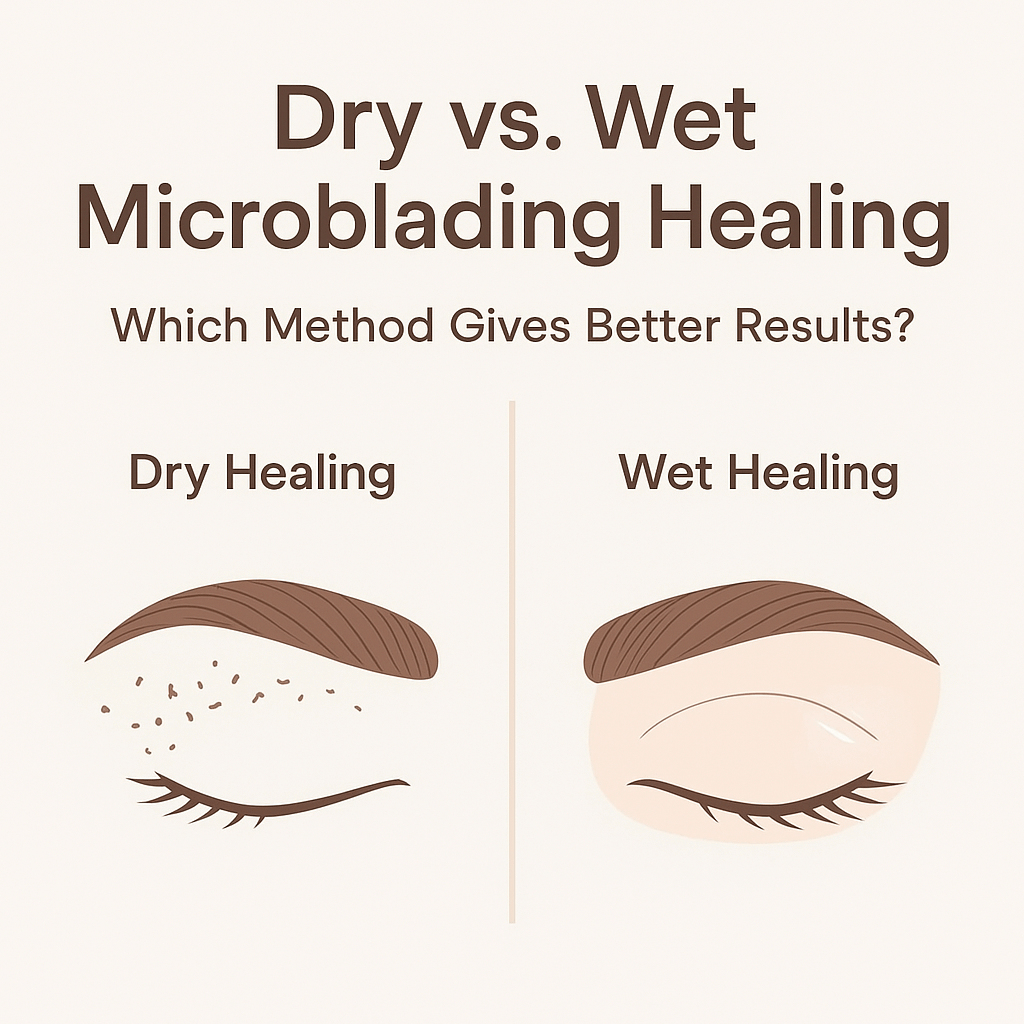
Dry vs. Wet Healing After Microblading: Which Method Delivers Better Results?
Dry healing avoids moisture and ointment for stronger pigment retention — best for normal to dry skin. Wet healing uses gentle cleansing and healing balm for a more comfortable process — best for o...
Aftercare
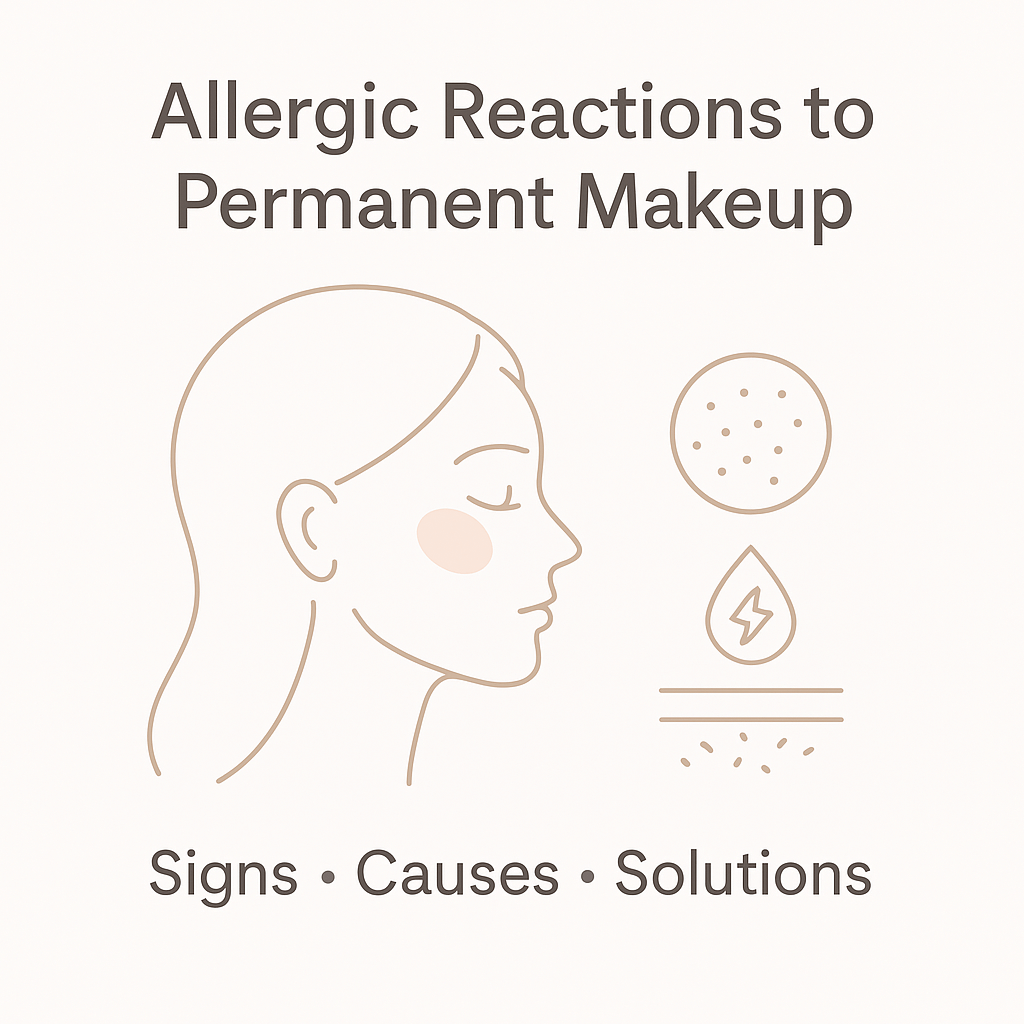
Allergic Reactions to Permanent Makeup Pigments: How to Spot Them and What to Do Next
True allergic reactions to PMU pigments are uncommon but recognizable. Key signs include persistent itching, raised bumps, worsening swelling, and delayed hypersensitivity. Learn how to distinguish...
Client Consultation
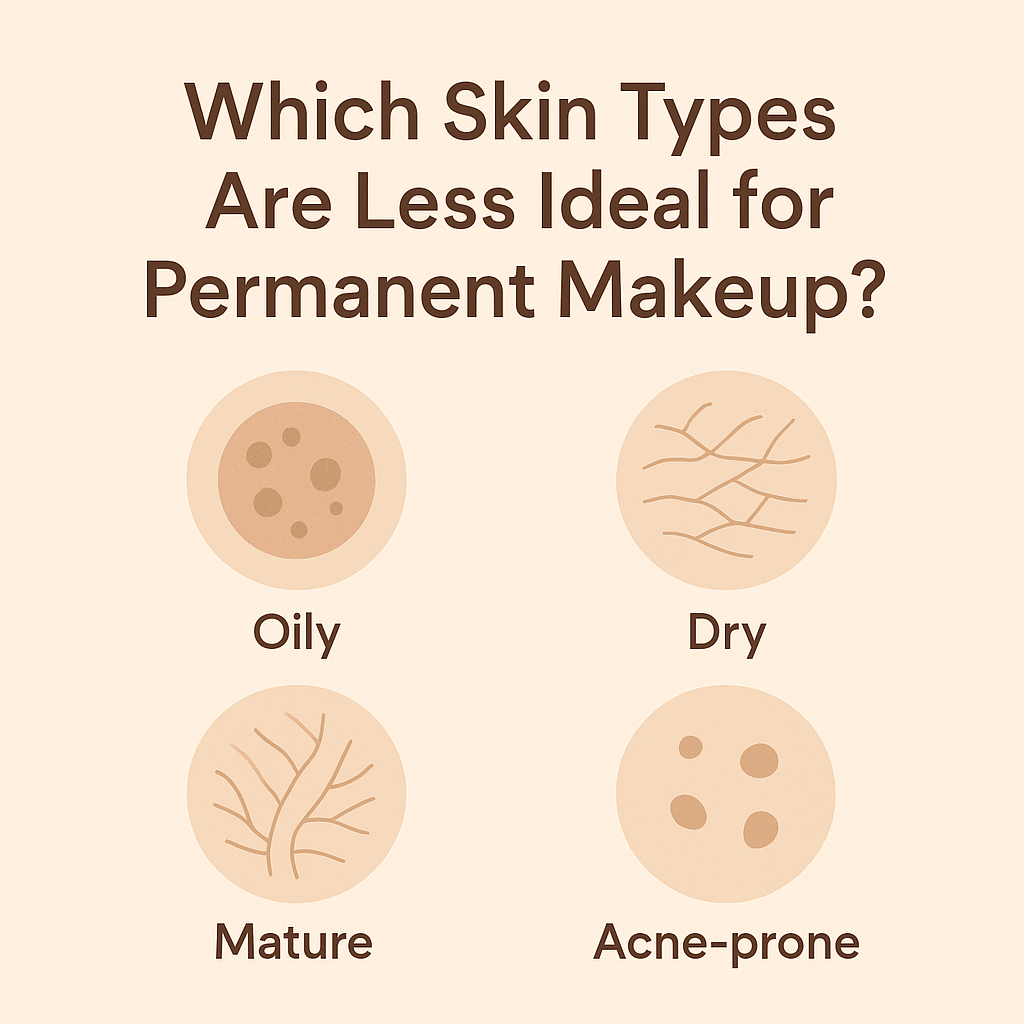
Which Skin Types Are Less Ideal for Permanent Makeup? | A Guide for Clients & Artists
Oily skin reduces pigment retention and blurs strokes. Thin, mature, or dry skin heals unpredictably and holds less pigment. Acne-prone or reactive skin creates uneven uptake. Each type requires te...