
Introduction
Scalp micropigmentation (SMP) is a non-surgical cosmetic procedure that uses a specialist PMU machine to implant pigment into the scalp, replicating the appearance of individual hair follicles. The result is the visual impression of a close-shaved head, added density to thinning hair, or coverage of scalp scars — without surgery, medication, or downtime. SMP lasts 3–5 years before a touch-up is needed and is suitable for men and women of all skin tones and hair loss stages.
Hair loss affects hundreds of millions of people worldwide — and for many, the psychological impact is significant. Scalp micropigmentation has emerged as one of the most effective, accessible, and long-lasting non-surgical solutions available. Unlike hair transplants, SMP requires no surgery. Unlike topical treatments, it produces immediate, visible results. Understanding what SMP is, how it works, and whether it is the right solution is the first step for anyone considering the procedure.
| Feature | Scalp Micropigmentation (SMP) |
|---|---|
| Procedure type | Non-surgical cosmetic pigmentation |
| How it works | PMU machine implants pigment dots to simulate hair follicles |
| Best for | Hair loss, thinning hair, alopecia, scalp scars |
| Suitable for | Men and women, all skin tones, all hair loss stages |
| Sessions required | 2–3 sessions, spaced 7–14 days apart |
| Longevity | 3–5 years before touch-up |
| Downtime | None — return to normal activity immediately |
| Pain level | Low — mild scratching sensation with topical numbing |
1. What Is Scalp Micropigmentation?
Scalp micropigmentation is a form of cosmetic tattooing that uses a rotary PMU machine and specialist pigments to deposit tiny dots of color into the upper layer of the scalp dermis. Each dot replicates the appearance of a single hair follicle — when thousands of these dots are placed across the scalp in a precise pattern, the result is the visual impression of a full head of closely shaved hair, or significantly denser-looking hair in areas of thinning.
SMP is not a hair growth treatment. It does not stimulate new hair growth or affect existing hair follicles. It is a pigmentation procedure — it changes the visual appearance of the scalp to create the impression of hair density and coverage. For clients who want a permanent, low-maintenance solution to the appearance of hair loss, SMP delivers results that no topical treatment or supplement can replicate.
The procedure is performed over 2–3 sessions, spaced 7–14 days apart, to allow the scalp to heal between sessions and to build the pigment density gradually to a natural-looking result.
2. How Does Scalp Micropigmentation Work?

The SMP procedure follows a precise technical process that differs from standard PMU procedures in several important ways.
The Machine and Needle
SMP requires a PMU machine capable of delivering consistent, controlled dot placement at the correct depth in the scalp dermis. The scalp is thicker and more resistant than facial skin, requiring a machine with sufficient power and stroke length to implant pigment reliably. Specialist SMP needles — typically single round (1R) configurations — are used to create the precise circular dot shape that replicates a hair follicle. The dot must be round, consistent in size, and implanted at the correct depth to heal naturally without blurring or spreading.

The Pigment
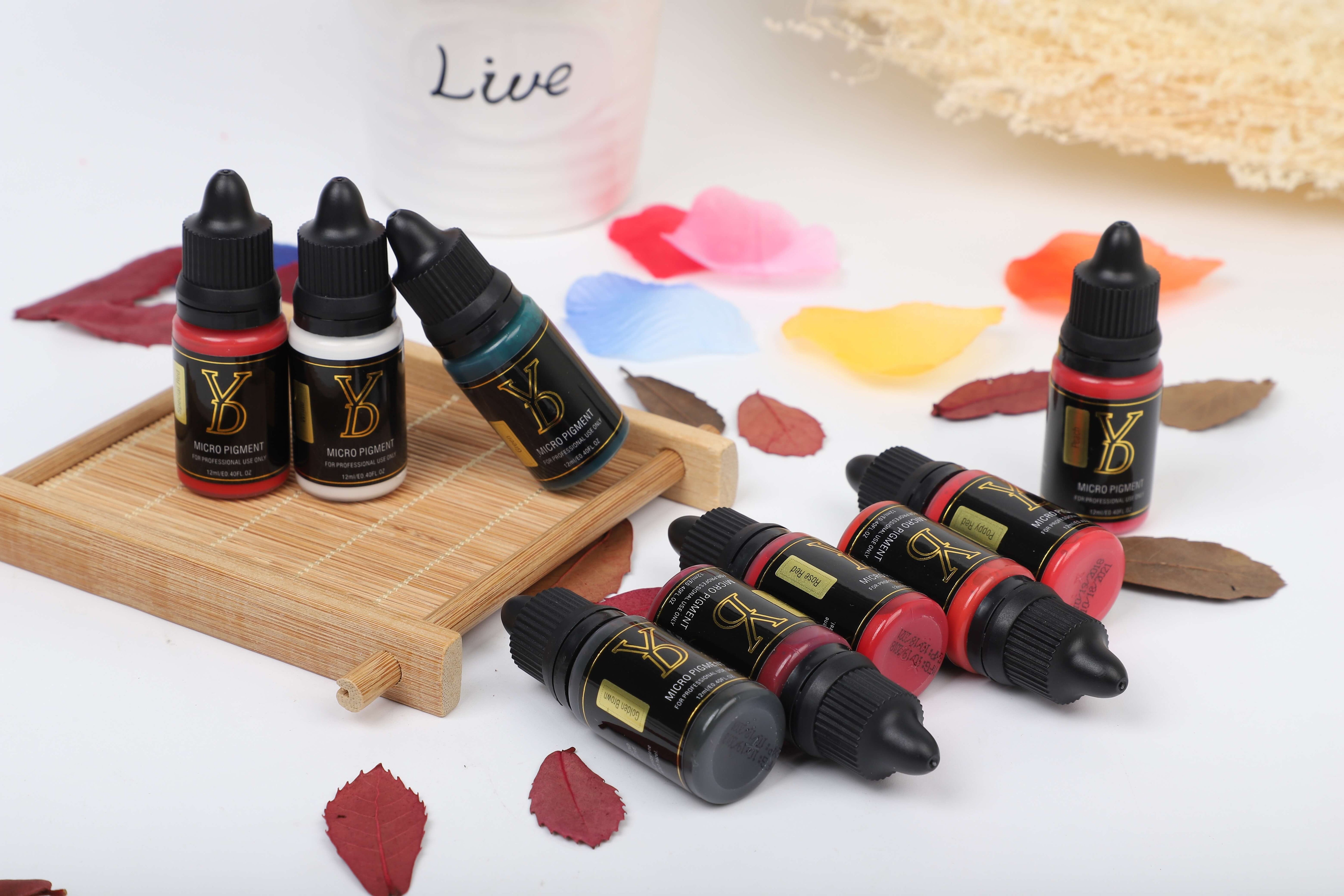
SMP pigments are specifically formulated for scalp use. They differ from standard PMU pigments in their particle size, color range, and long-term stability requirements. SMP pigments are typically carbon black or dark grey-brown tones, matched to the client’s natural hair color and skin tone. The pigment must remain stable in the scalp over years without shifting to unwanted blue, green, or red tones — which is why inorganic or specialist SMP-formulated pigments are used rather than standard organic PMU pigments.
The Session Process
Each SMP session begins with a consultation to assess the client’s hair loss pattern, skin tone, and desired result. A topical numbing cream is applied to the scalp before the procedure begins. The artist then works systematically across the treatment area, placing individual pigment dots in a pattern that mimics the natural distribution and density of hair follicles. The first session establishes the base layer of pigment. Subsequent sessions build density and refine the hairline and coverage until the desired result is achieved.
How to Choose the Right Pigment for Your Scalp Micropigmentation Session
YDPMU ScalpX Scalp Micropigmentation Machine Kit — Complete SMP setup with specialist pigments
3. Who Is Scalp Micropigmentation For?

SMP is suitable for a wide range of clients and hair loss conditions. It is one of the few cosmetic procedures that works effectively across all skin tones, all stages of hair loss, and both men and women.
Men with Hair Loss or Baldness
SMP is most commonly associated with male pattern baldness — the most prevalent form of hair loss worldwide. For men who are partially or fully bald, SMP creates the appearance of a close-shaved head with a defined hairline. The result is a clean, modern look that requires no daily maintenance beyond keeping the scalp moisturized and protected from sun exposure.
Women with Thinning Hair
For women experiencing diffuse thinning — where hair becomes less dense across the scalp rather than receding from a specific area — SMP adds the visual impression of density between existing hairs. The procedure does not shave the head or create a buzz-cut appearance; instead, it fills the visible scalp between thinning hairs to make the hair appear fuller and thicker.
Alopecia
SMP is an effective option for clients with alopecia areata (patchy hair loss), alopecia totalis (complete scalp hair loss), or alopecia universalis (complete body hair loss). For clients with patchy alopecia, SMP covers the bald patches to create a uniform appearance. For clients with total hair loss, SMP creates the appearance of a full shaved head.
Scalp Scars
Scalp scars from hair transplant surgery, injuries, or medical procedures can be effectively camouflaged with SMP. Pigment is implanted into and around the scar tissue to blend it with the surrounding scalp, making the scar significantly less visible. Scar tissue requires specialist technique as it holds pigment differently from normal scalp skin.
Scalp Micropigmentation vs Microneedling: Which Hair Loss Treatment Should You Choose?
4. What Results Can You Expect?
The healed result of SMP is a natural-looking impression of hair follicles across the treated area. The dots are small, consistent, and distributed in a pattern that mimics real hair growth — including a natural-looking hairline with soft, irregular edges rather than a sharp, artificial line.
Immediately after each session, the treated area will appear darker and more defined than the final healed result. As the scalp heals over 7–14 days, the pigment softens and settles into its true healed tone. The final result is assessed after the healing period of the last session — typically 4–6 weeks after the final appointment.
SMP results last 3–5 years before a touch-up is needed. Fading occurs gradually over time as the pigment breaks down in the skin. Sun exposure, skin type, and aftercare habits all affect longevity. A maintenance touch-up session every 3–5 years keeps the result looking fresh and consistent.

5. SMP vs Other Hair Loss Solutions
Understanding how SMP compares to other hair loss options helps clients make an informed decision about which approach is right for their situation.
- SMP vs hair transplant surgery: Hair transplants move real hair follicles from a donor area to the thinning area — they produce real hair growth but require surgery, significant recovery time, and higher cost. SMP produces no real hair growth but requires no surgery, no downtime, and is available to clients who are not candidates for transplant surgery.
- SMP vs topical treatments (minoxidil, finasteride): Topical and oral treatments aim to slow hair loss or stimulate regrowth — results vary significantly between individuals and require ongoing daily use. SMP produces immediate, visible results that do not depend on individual biological response.
- SMP vs hairpieces and wigs: Hairpieces and wigs provide coverage but require daily application, maintenance, and replacement. SMP is a permanent solution that requires no daily management.
6. What to Look for in an SMP Artist and Equipment
The quality of the healed SMP result depends heavily on the skill of the artist and the quality of the equipment used. Key factors to evaluate:
- Specialist SMP training: SMP is a distinct discipline from standard PMU. Artists should have specific SMP training and a portfolio of healed SMP results — not just fresh work.
- Pigment quality: Specialist SMP pigments that remain stable in the scalp over years without color shifting are essential. Standard PMU pigments are not formulated for scalp use and may shift to unwanted tones over time.
- Machine capability: The machine must deliver consistent, controlled dot placement at the correct depth in scalp tissue. Machines with adjustable stroke length allow the artist to adapt to different scalp thicknesses and skin types.
YDPMU Scalp Shades Powder Liquid Pigments — Black and Ink Brown for natural scalp tone matching
YDPMU ARTIS SMP Machine Kit with Black Pro and Mix SMP Pigments — Complete professional SMP setup
Conclusion
Scalp micropigmentation is one of the most effective non-surgical solutions available for hair loss, thinning hair, alopecia, and scalp scars. It produces immediate, visible results that last 3–5 years, requires no surgery or downtime, and works across all skin tones and hair loss stages. For clients who want a permanent, low-maintenance solution to the appearance of hair loss — and for artists looking to expand their service offering into a high-demand specialty — SMP is a procedure worth understanding in depth.
How to Choose a PMU Machine Like a Master: The 5-Step Method
Is Permanent Makeup Safe? Everything You Need to Know Before Your First Appointment
FAQ
What is scalp micropigmentation?
Scalp micropigmentation (SMP) is a non-surgical cosmetic procedure that uses a specialist PMU machine to implant tiny dots of pigment into the scalp, replicating the appearance of individual hair follicles. The result is the visual impression of a close-shaved head, added density to thinning hair, or coverage of scalp scars. SMP does not stimulate hair growth — it changes the visual appearance of the scalp through precise pigment placement. The procedure is performed over 2–3 sessions and lasts 3–5 years before a touch-up is needed.
Does scalp micropigmentation look natural?
Yes — when performed by a trained SMP artist using specialist pigments and equipment, the healed result looks natural and realistic. The pigment dots are sized and distributed to mimic real hair follicles, and the hairline is designed with soft, irregular edges rather than a sharp artificial line. The key factors that determine how natural the result looks are the skill of the artist, the quality of the pigments used, and the accuracy of the color match to the client’s natural hair and skin tone.
How long does scalp micropigmentation last?
SMP typically lasts 3–5 years before a touch-up is needed. Fading occurs gradually as the pigment breaks down in the skin over time. Sun exposure, skin type, and aftercare habits all affect longevity — clients who protect their scalp from UV exposure and keep the skin moisturized will generally see longer-lasting results. A maintenance touch-up session every 3–5 years keeps the result looking fresh and consistent.
Is scalp micropigmentation painful?
Most clients describe SMP as a mild scratching or pressure sensation rather than sharp pain. A topical numbing cream is applied to the scalp before the procedure begins, significantly reducing discomfort. The scalp is generally less sensitive than facial areas like the lips or eyelids. Pain tolerance varies between individuals, and some areas of the scalp — particularly near the temples and hairline — may be more sensitive than others.
Who is a good candidate for scalp micropigmentation?
SMP is suitable for men and women of all skin tones experiencing any stage of hair loss, thinning hair, alopecia, or scalp scarring. It is one of the few hair loss solutions that works effectively regardless of the extent of hair loss — from early thinning to complete baldness. Clients who are not candidates for hair transplant surgery due to insufficient donor hair, health conditions, or personal preference are often excellent candidates for SMP. A consultation with a trained SMP artist is the best way to assess suitability for an individual client.